
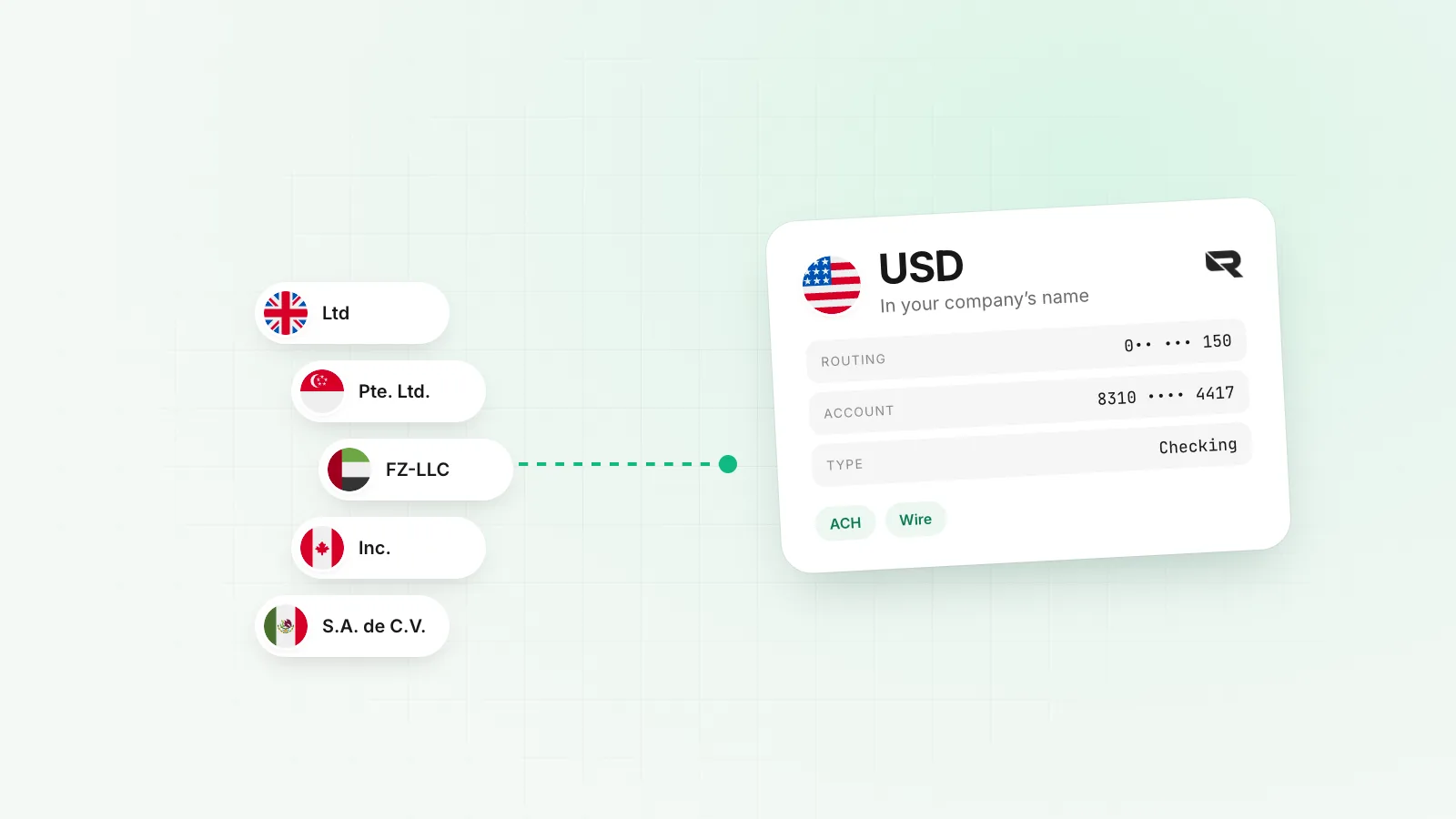
 Accounts
What is a routing number? ACH vs wire routing numbers explained
A routing number is the nine-digit code that tells the US payment system which bank holds an account. Here is how it works for a business.
Rashidatou K.
2 min readGuides for companies that earn, hold and pay in more than one currency: what each payment rail costs, how verification works, how to pay people abroad, and where stablecoins fit.
AccountsA routing number is the nine-digit code that tells the US payment system which bank holds an account. Here is how it works for a business.
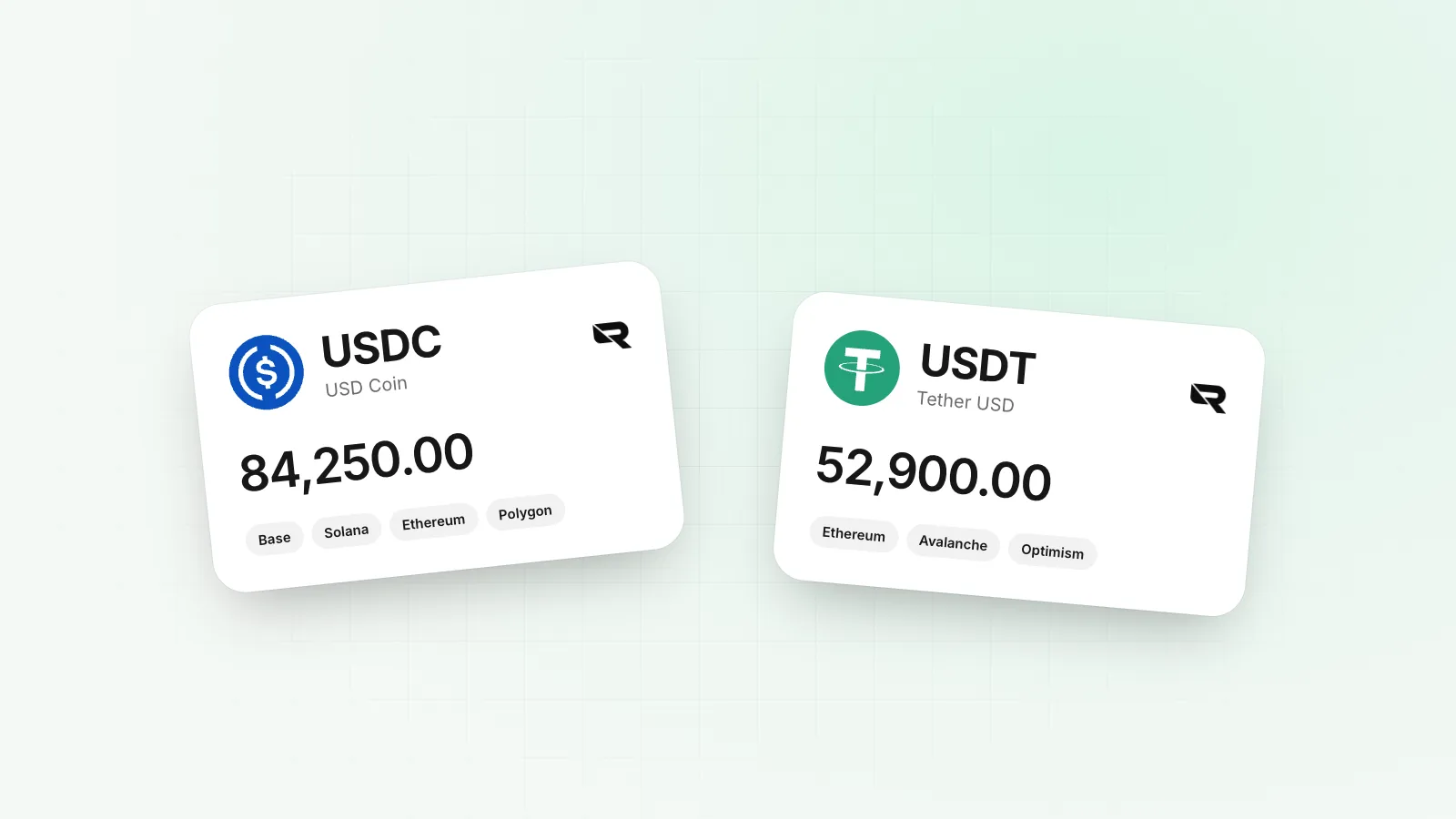 Stablecoins
 settle in minutes, on weekends, across borders. Since July 2025 the US has a federal law for them. Here is where they fit in a company's payments, and where they don't.
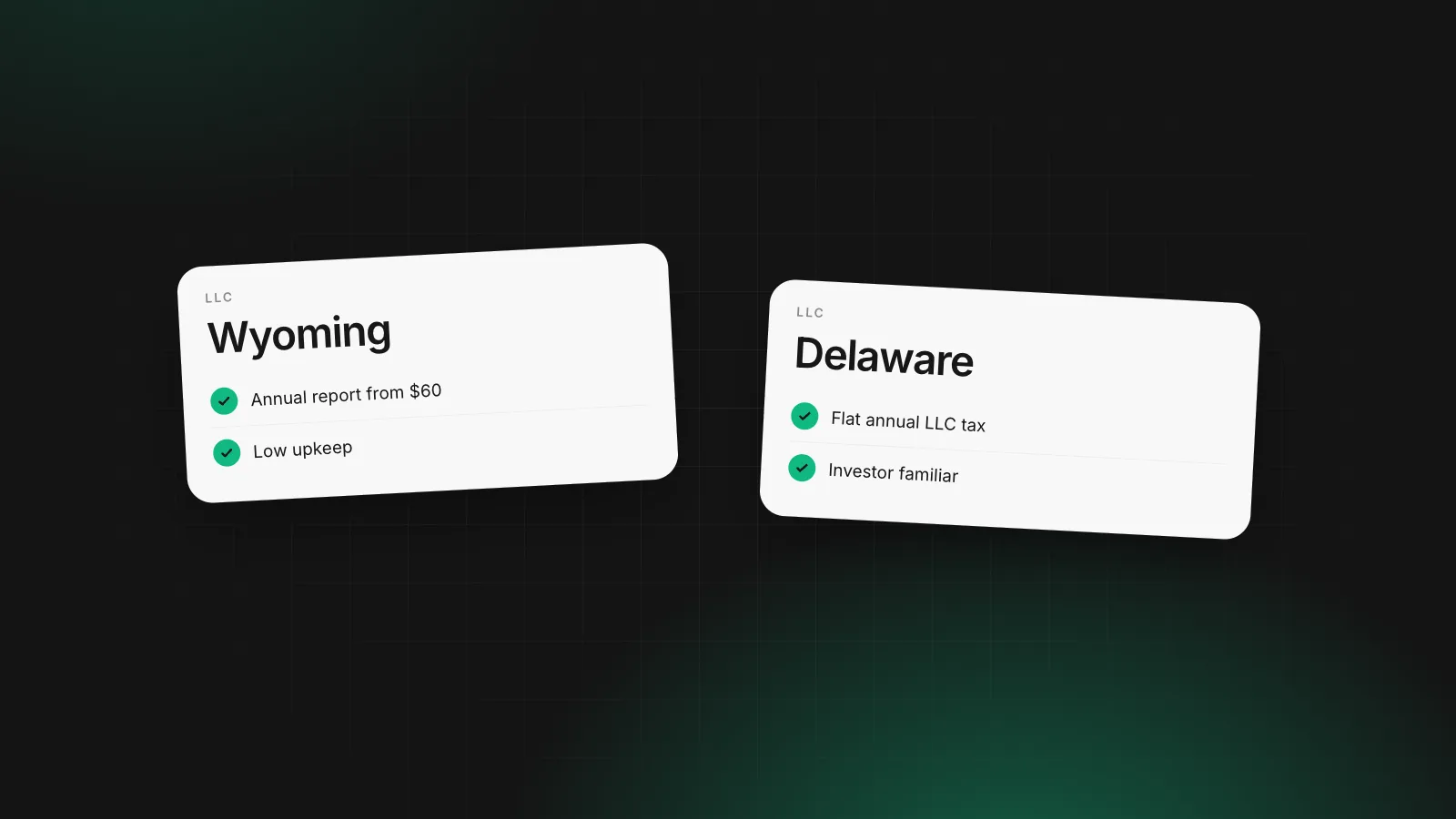 Accounts
Wyoming and Delaware are the two states non-residents pick most for an LLC. For a small company, the yearly cost matters more than the reputation.
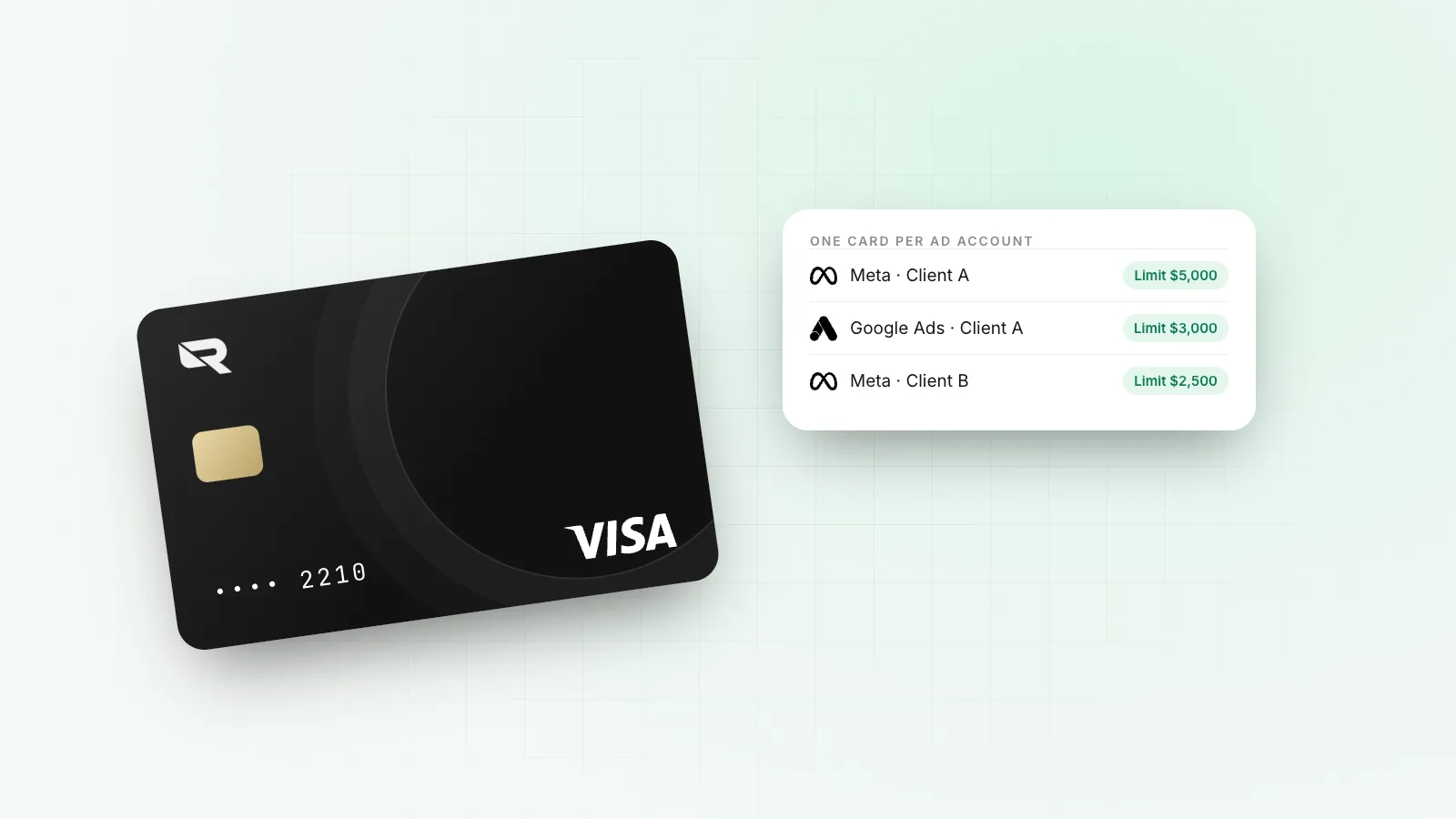 Cards and spend
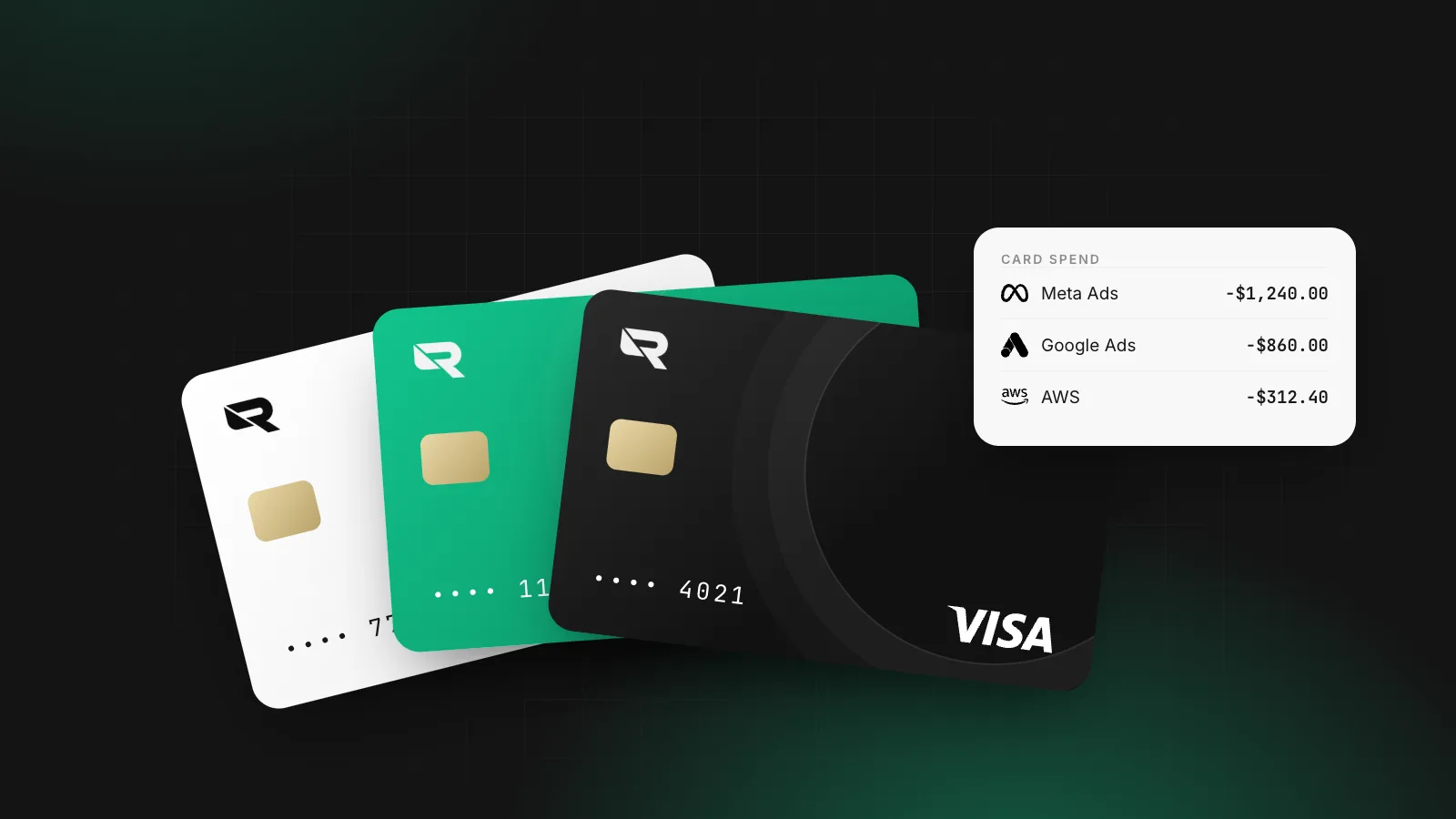
Ads stop when the payment fails. Here is how Meta charges ad accounts, the usual reasons for declines, and how agencies outside the US keep spend running.
 Cards and spend
A declined ad payment pauses delivery, and a paused campaign can lose the learning it spent a week's budget building. Most declines are preventable with how the cards are set up.
 Stablecoins
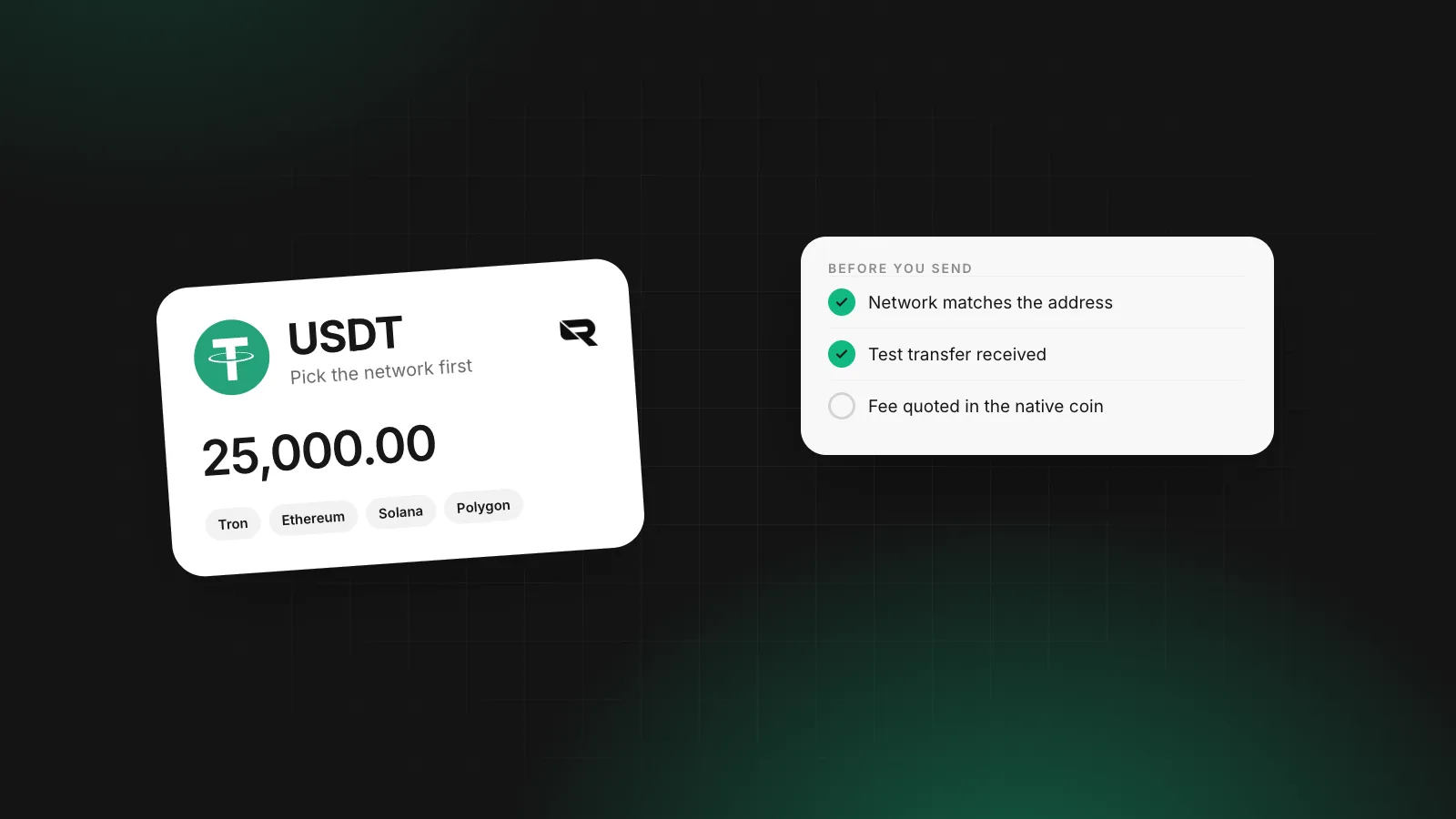
USDT on Tron and USDT on Ethereum are the same dollar on different roads. The road decides the fee, the speed, and whether the money arrives at all.
 Stablecoins
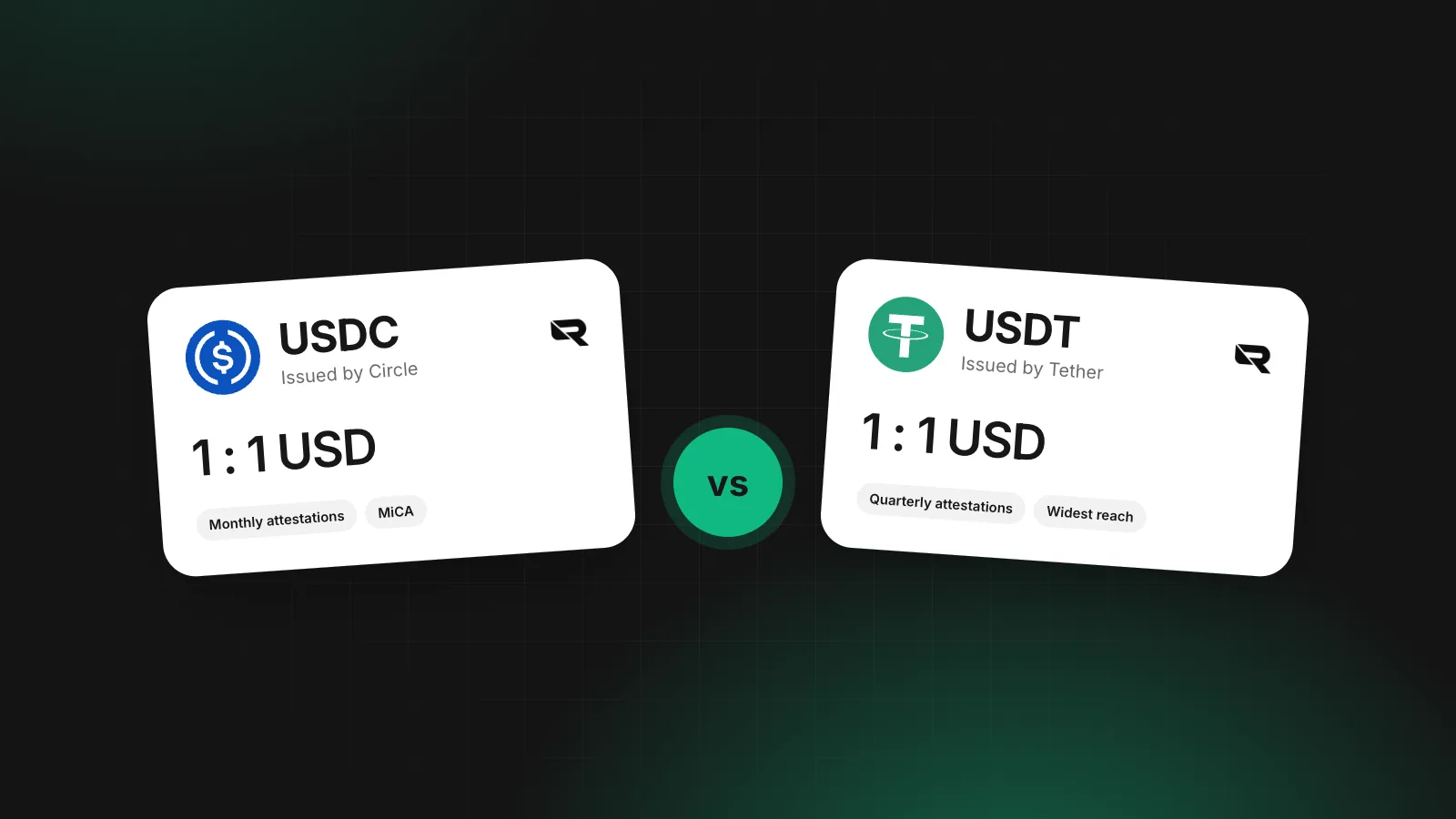
Most companies that use stablecoins use them for one or two specific jobs, not for everything. Here are the jobs where they help, and the controls that keep them safe.
 Accounts
Wise is cheap for one-off conversions. Companies outgrow it when they need stablecoins, controlled card spend, approvals or African corridors. Here is how the main alternatives compare, using each provider's published prices.
 Stablecoins
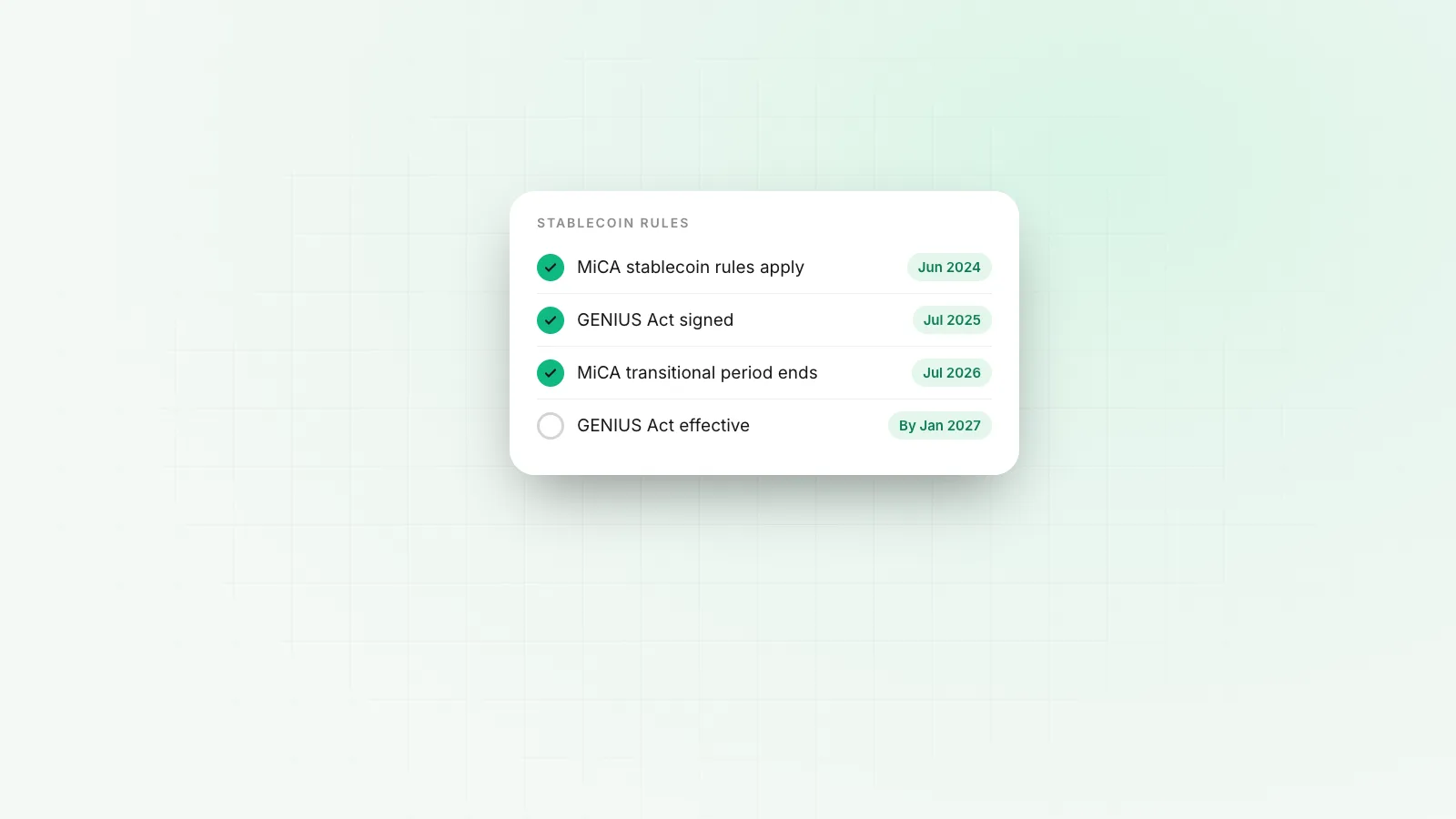
The GENIUS Act became law in July 2025 and sets federal rules for US dollar stablecoins. For a business using USDC or USDT, here is what it changes and what it does not.
 Compliance
Proof of address is the document most often sent back during business verification. Here is what providers accept, for the company and for each owner.
 Operations
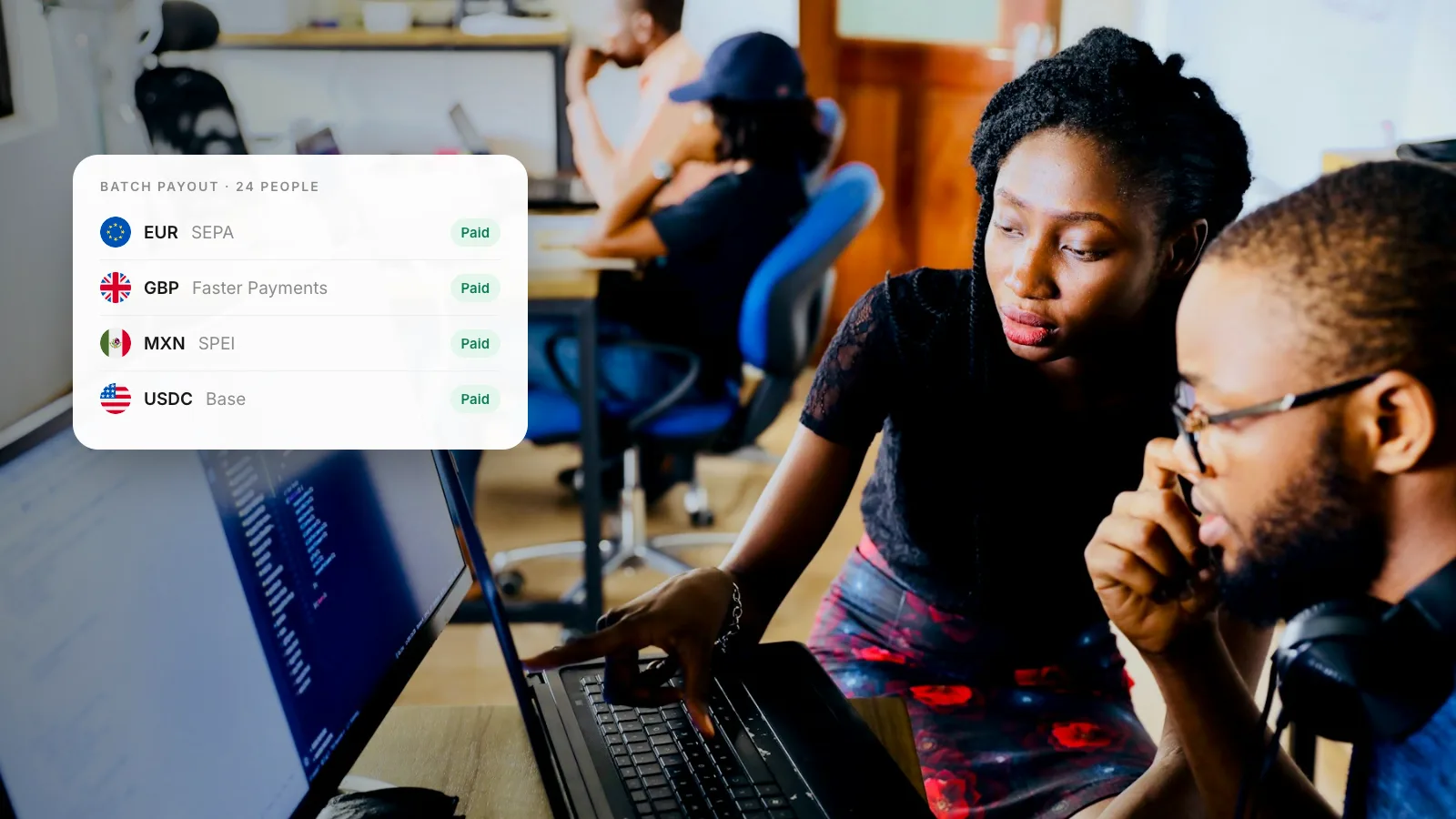
Paying a team spread across ten countries is mostly a fees problem and a paperwork problem. Both are easier to solve once than every month.
 Payments
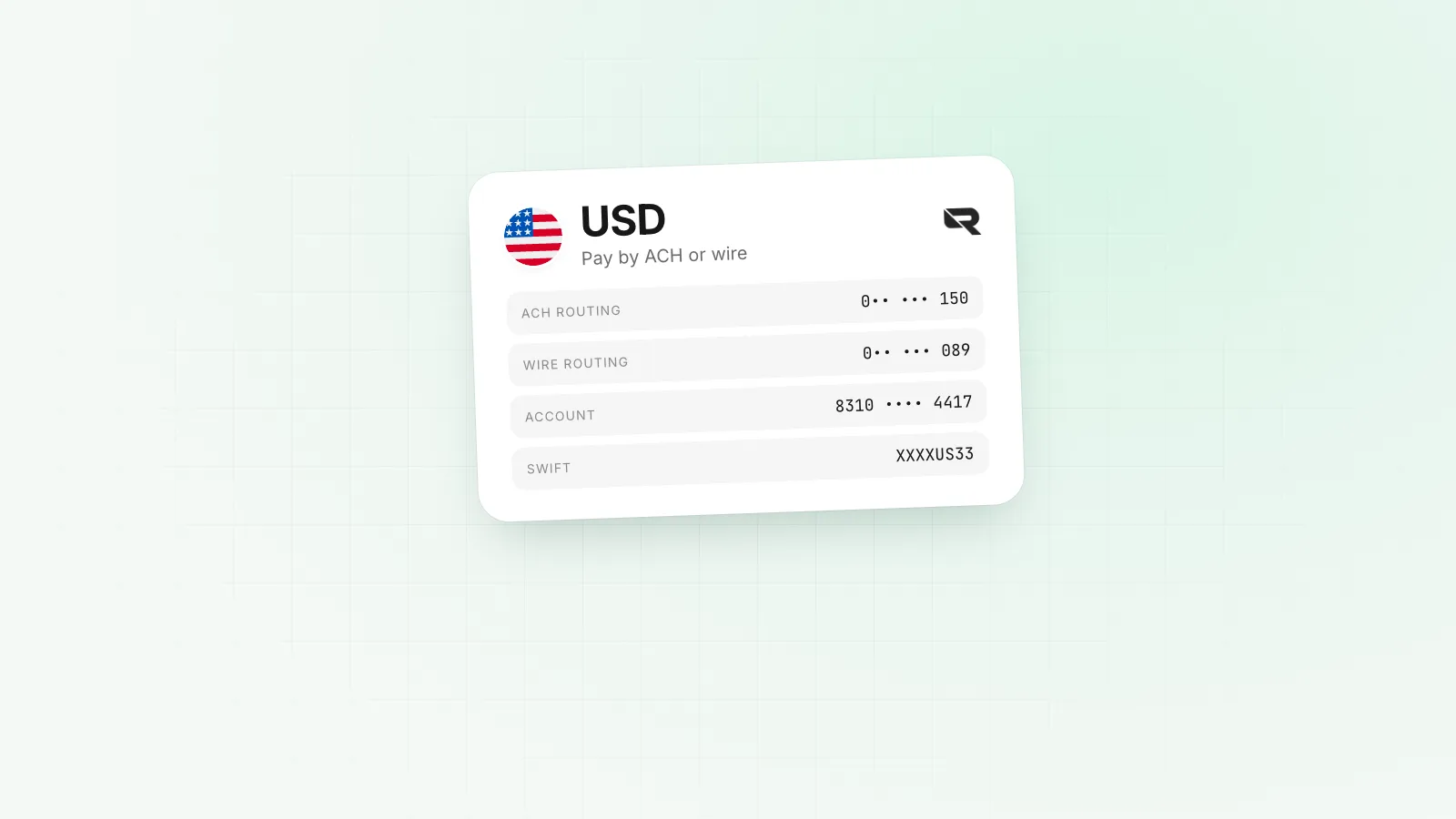
ACH is cheap and batched. A wire is fast and final. Here is how each works, how long it takes, what it costs, and which to put on your invoices.
StablecoinsSince June 2024, stablecoin issuers that offer tokens to the public in the EU need authorisation under MiCA. That has changed which stablecoins EU businesses can easily use.
 Payments
Payoneer was built for marketplace payouts. If your clients pay you directly, its percentage fees on receiving and withdrawing can cost more than the work of switching. Here is the arithmetic.
 Payments
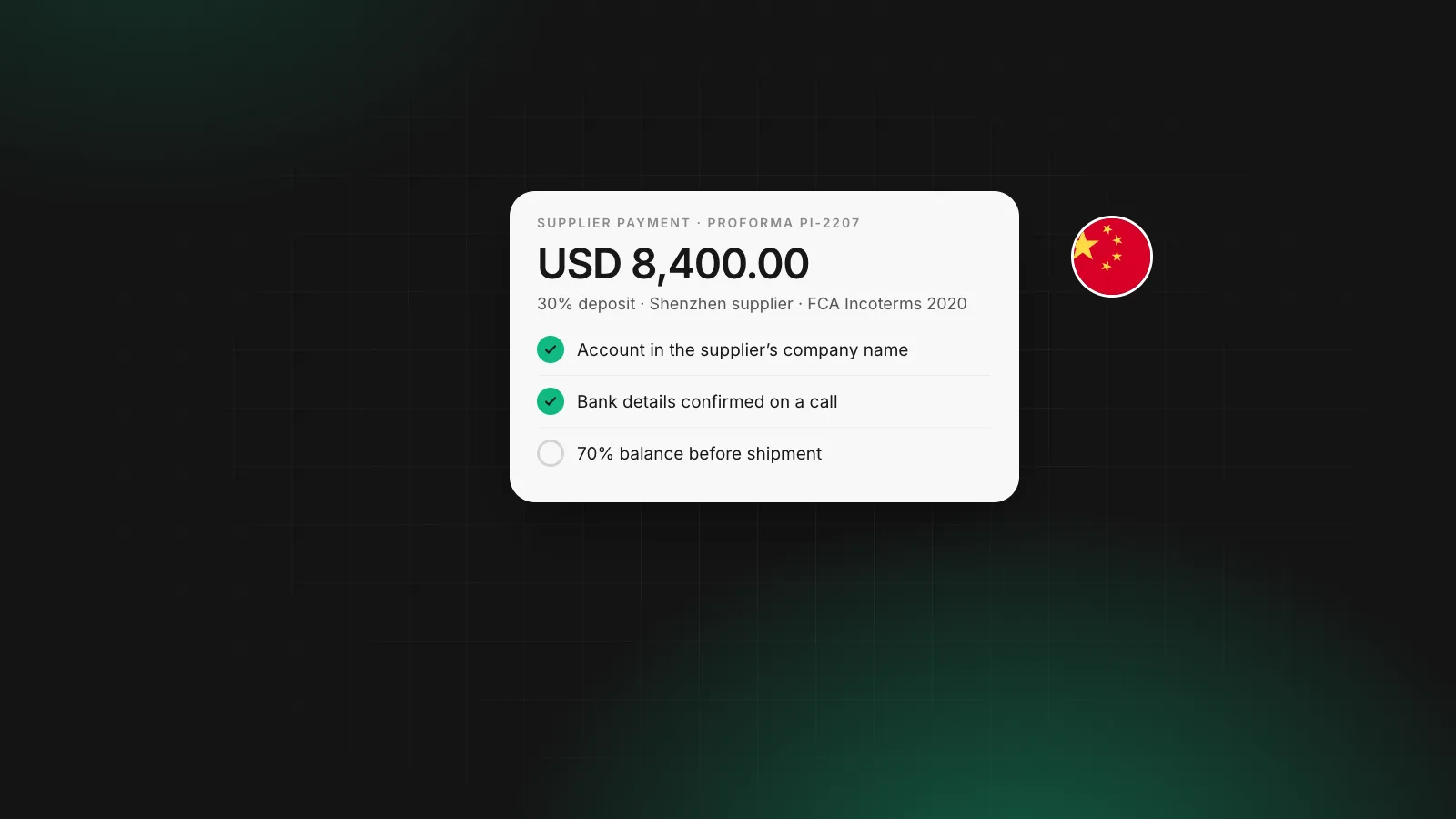
Most Chinese suppliers want a deposit up front and the balance before shipping, by bank transfer in USD. Here is how to pay safely and what each method costs.
 Operations
A proforma invoice is a quote that looks like an invoice. A commercial invoice is the document customs uses. Mixing them up delays payment and shipments.
 Payments
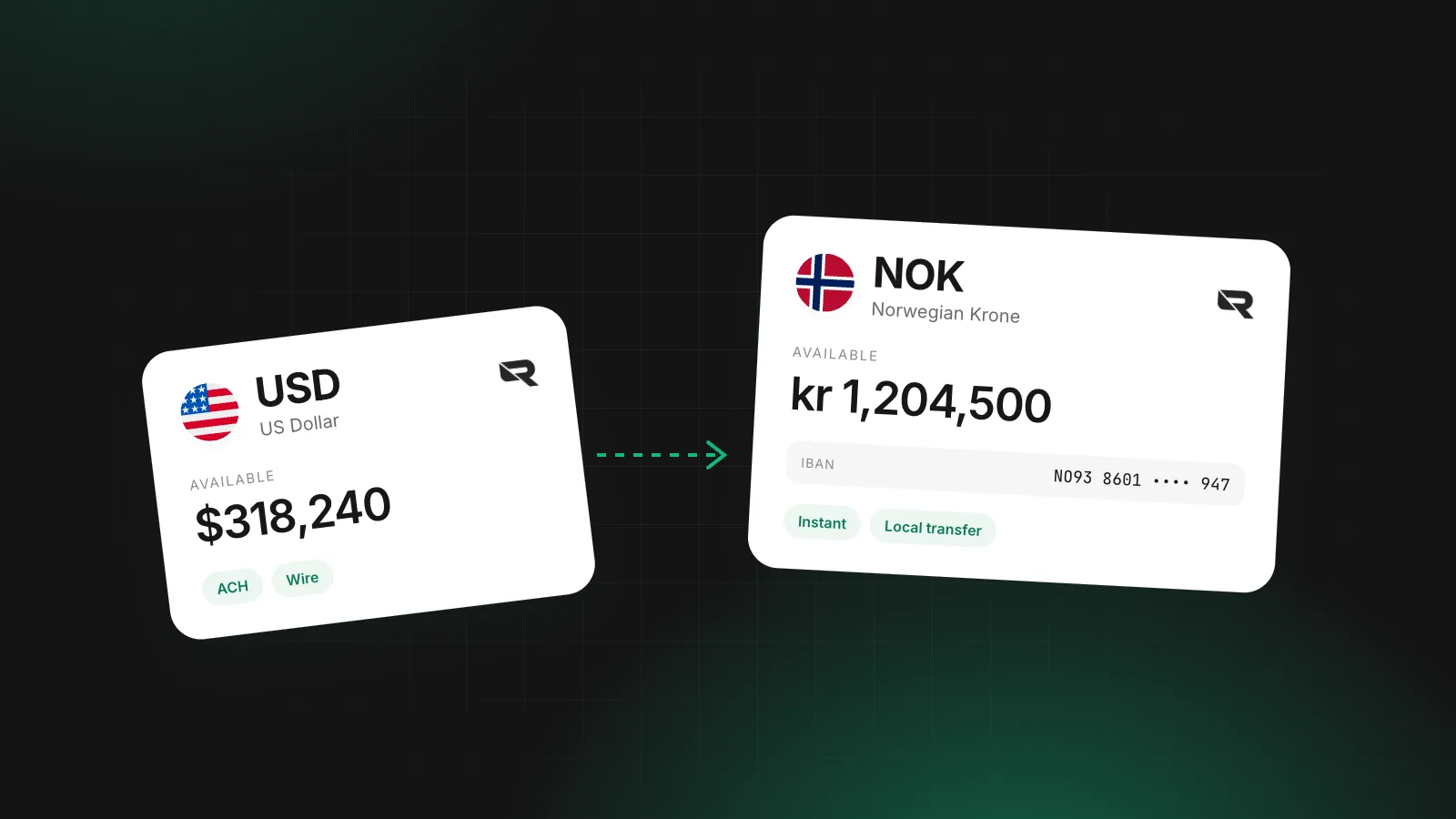
Norway is in the European Economic Area but keeps its own currency. Here is how NOK payments work, and why a euro IBAN does not replace a krone account.
AccountsUS clients pay most easily, and most cheaply, by ACH to a US account. Here is how a company based elsewhere gets one, which paperwork the client will ask for, and what to put on the invoice.
ComplianceKYC checks a person. KYB checks a company, then runs KYC on the people behind it. Here is what is checked, and why it takes days rather than minutes.
AccountsAn exporter earns in dollars or euros and spends partly in the same currencies. Converting everything on arrival costs money twice. A foreign currency account fixes that.
Every article is researched against primary sources: the regulation, the scheme rulebook or the provider’s own documentation. Each one lists them at the end.
Subscribe via RSSRashidatou writes Rivet's guides to how money moves between countries: the payment rails, what each one costs, and the account details a company needs to get paid in another currency. Every figure in Rashidatou's articles is traced to the scheme rulebook, the regulator or the provider's published price list, and those sources are listed at the end.
William covers what happens once a company starts moving money: getting the business verified, paying contractors and suppliers abroad, and keeping card spend under control. William writes for the founder or finance lead who has to make it work this week, and links every rule cited to the text it comes from.
Bank accounts in USD, EUR and GBP, cards with a limit on each, and payouts on local rails. Starter is free.



