
 Accounts
Do you need a business account as well as Stripe or Shopify Payments?
Stripe and Shopify Payments take the money. They still need somewhere to send it, and they do not pay your suppliers. Here is how the pieces fit.
Rashidatou K.
2 min readGuides for companies that earn, hold and pay in more than one currency: what each payment rail costs, how verification works, how to pay people abroad, and where stablecoins fit.
AccountsStripe and Shopify Payments take the money. They still need somewhere to send it, and they do not pay your suppliers. Here is how the pieces fit.
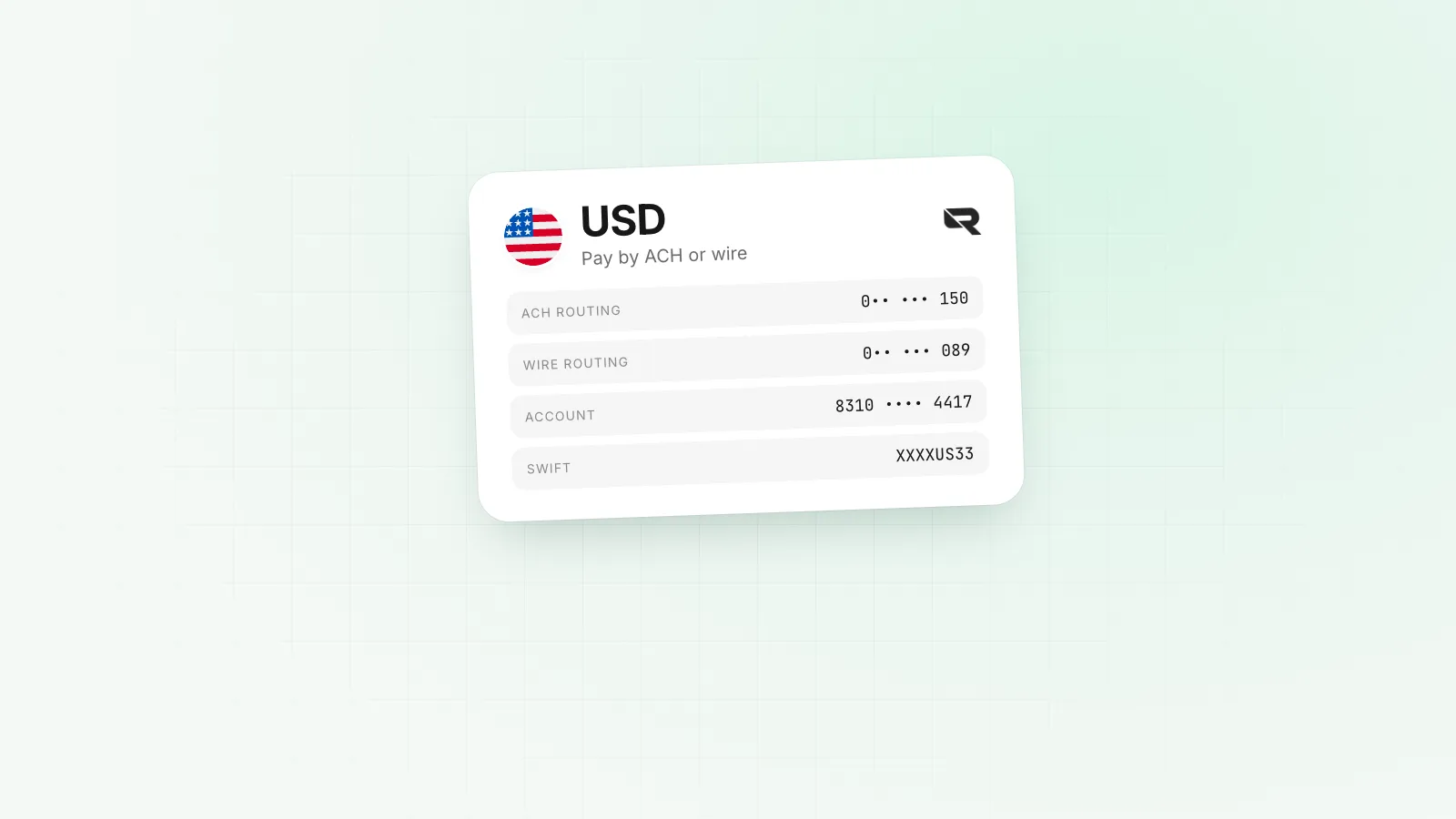 Accounts
A virtual account number receives money like any account, then routes it to a balance held elsewhere. Here is how businesses use them and what to check.
 Compliance
A US client asks for a W-8 before paying your invoice. There are two versions, and the wrong one can mean 30% withheld. Here is which to use.
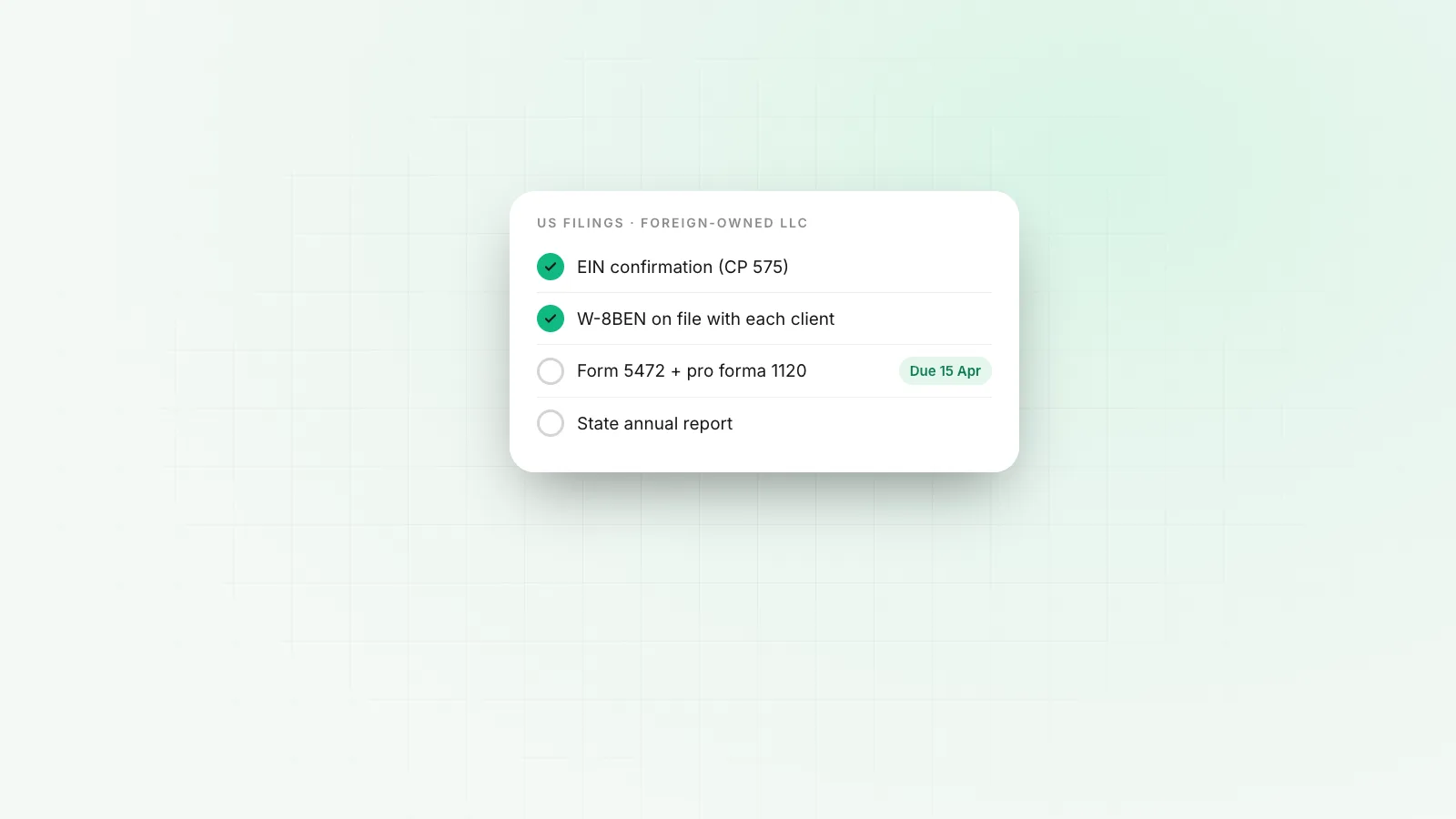 Accounts
Non-resident founders are told they need an SSN to bank in the US. For a company account, that is usually wrong. Here is what providers really ask for.
 Payments
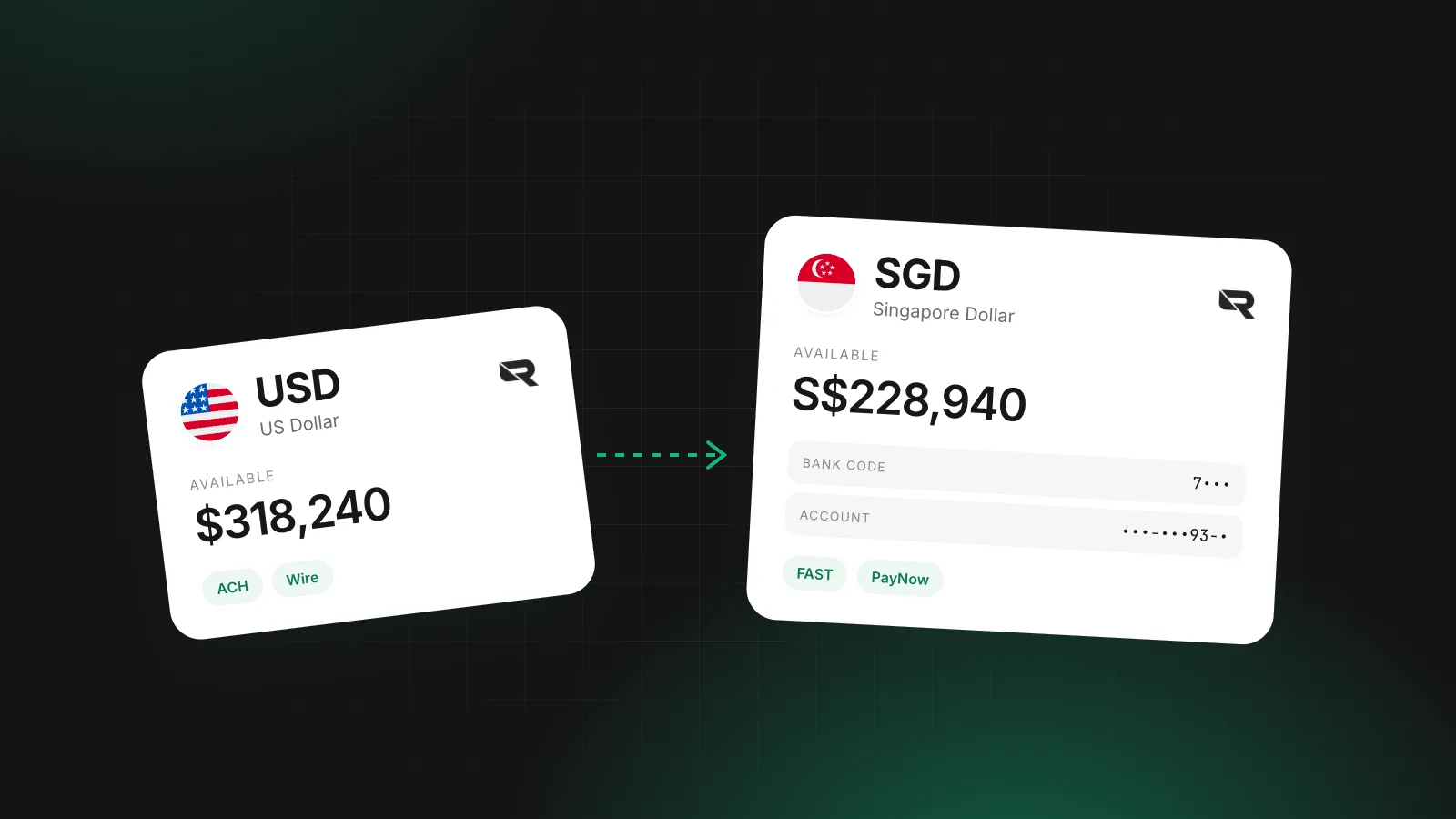
Singapore businesses pay each other in seconds on FAST and PayNow. Here is how SGD payments work, and how a company abroad pays and gets paid in Singapore dollars.
 Compliance
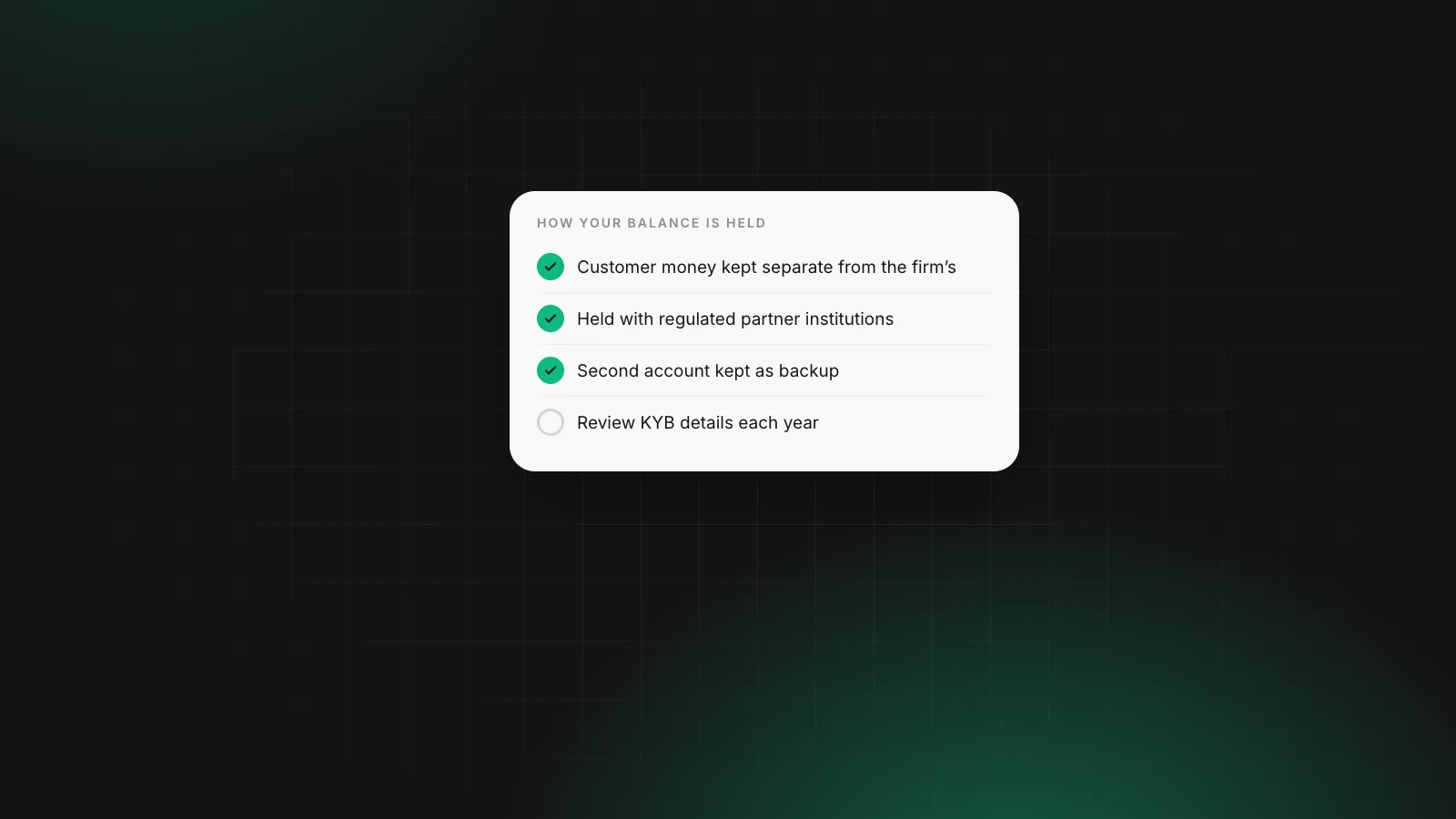
People search "is Wise safe" and "is Payoneer safe" every day. The honest answer is about how the money is held, not whether the app is legitimate.
 Accounts
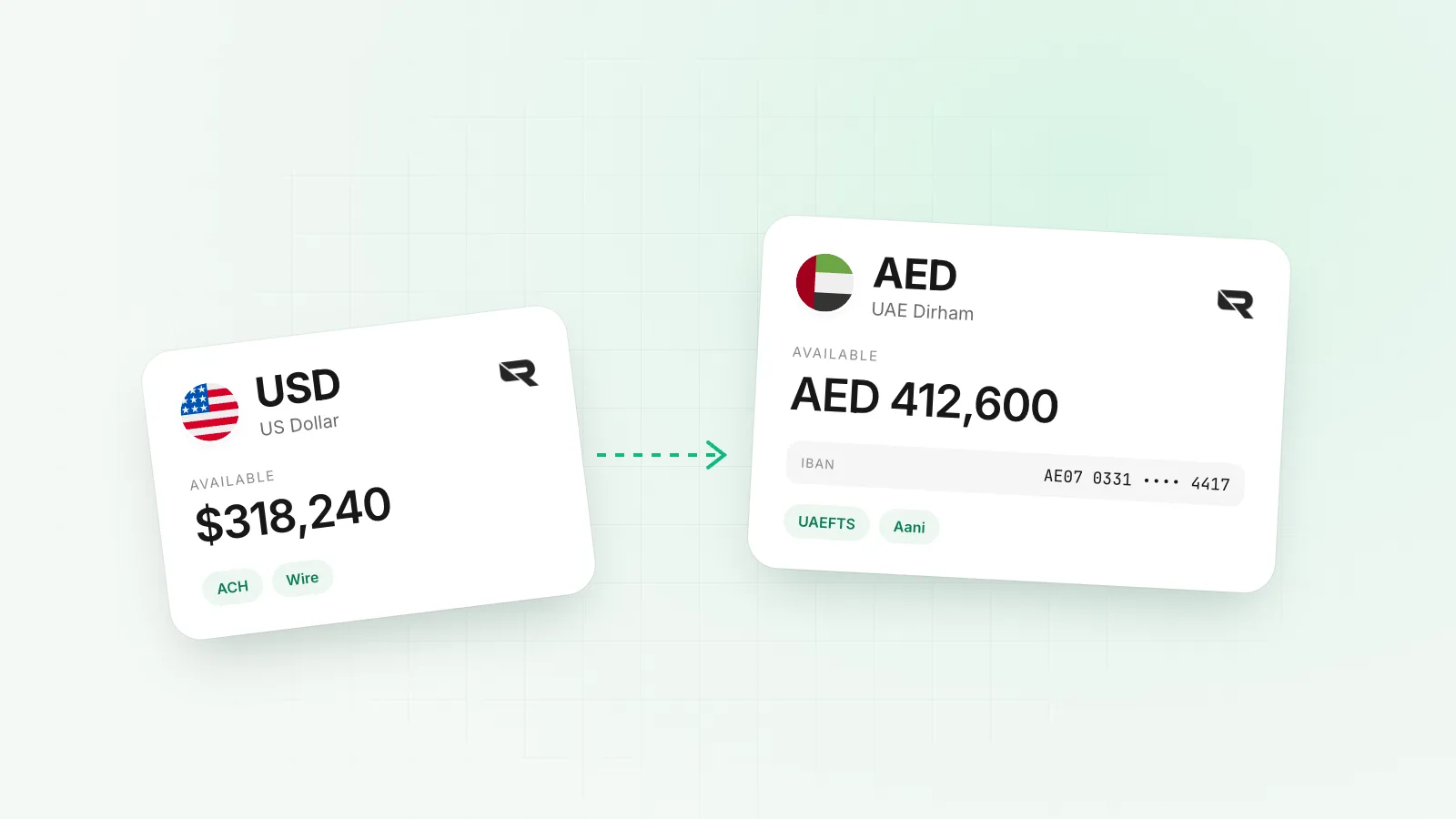
A virtual IBAN looks and works like any IBAN for the person paying you. Behind it, the money lands in an account held elsewhere. Here is what that means for a business.
 Operations
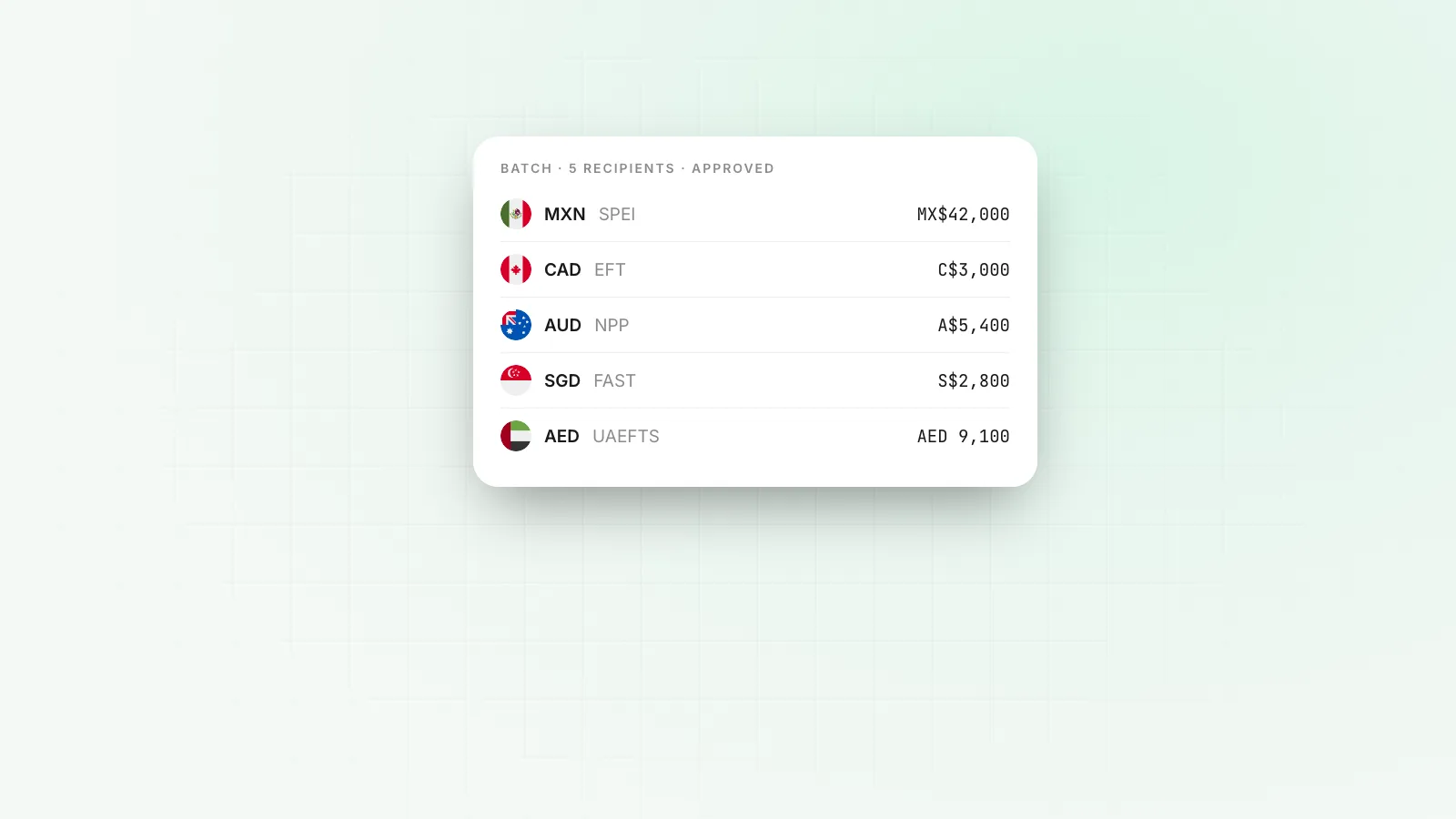
Hiring abroad is easy. Paying people correctly abroad depends on whether they are employees or contractors, and whether you have a company in their country.
 Operations
Incoterms decide who pays for shipping, who carries the risk, and who clears customs. Pick the wrong one and you pay costs you did not budget for.
 Payments
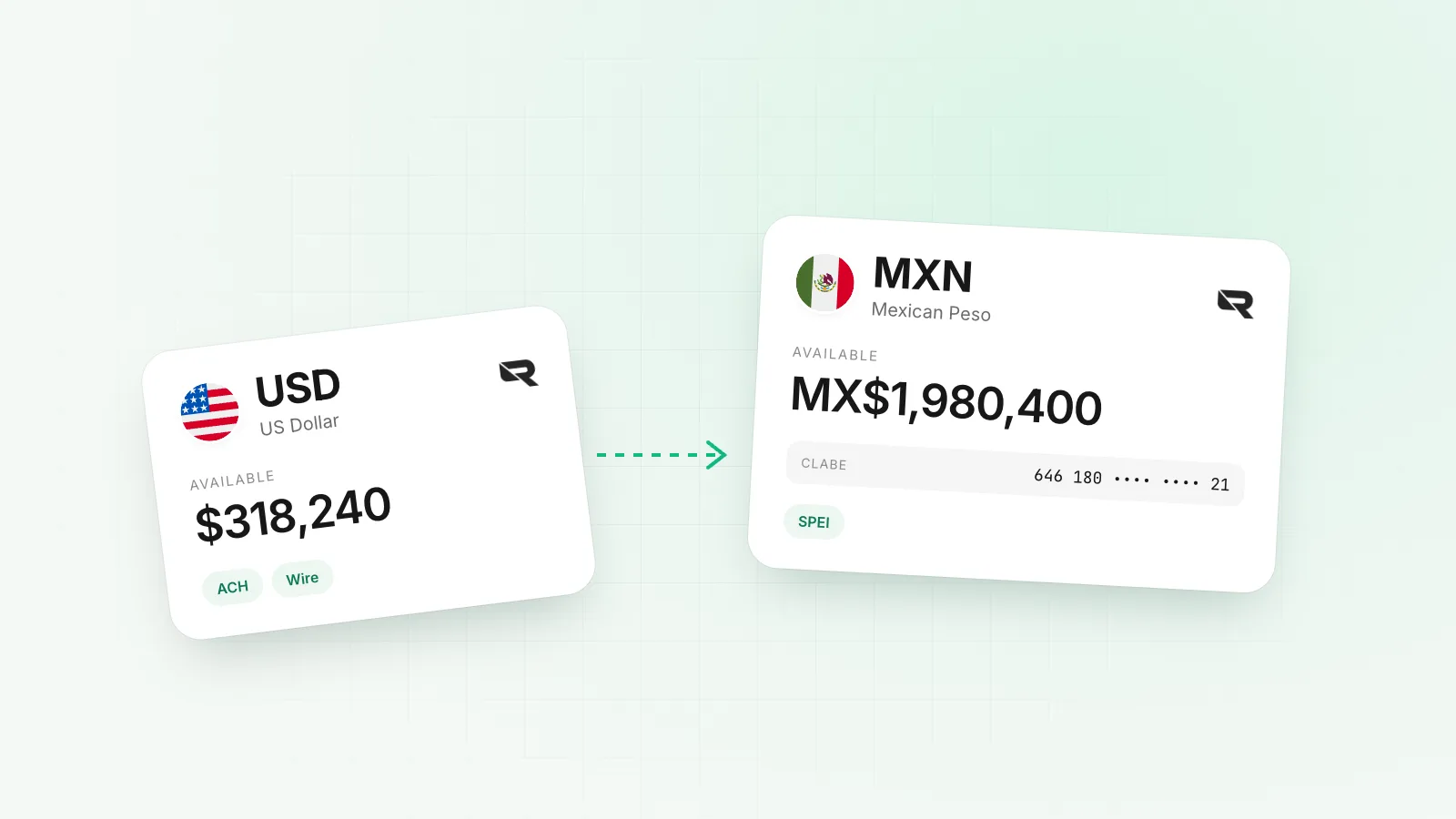
Mexico's SPEI moves pesos in seconds to any 18-digit CLABE. For companies with teams or suppliers in Mexico, it is the cheapest way to pay.
 Accounts
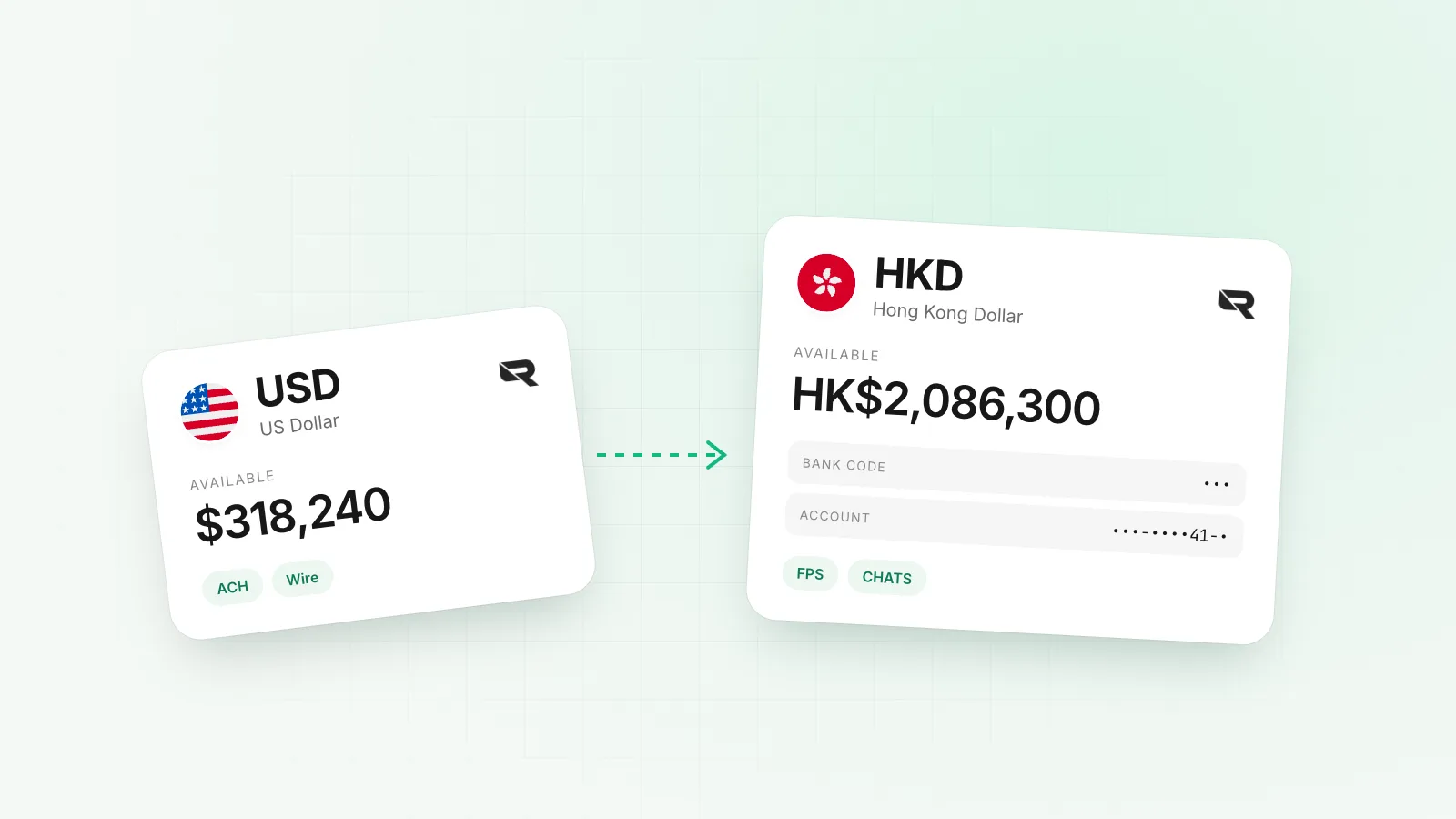
Hong Kong is a trading hub, and HKD is linked to the dollar. With HKD details in your company's name, Hong Kong clients pay you on FPS in seconds.
 Cards and spend
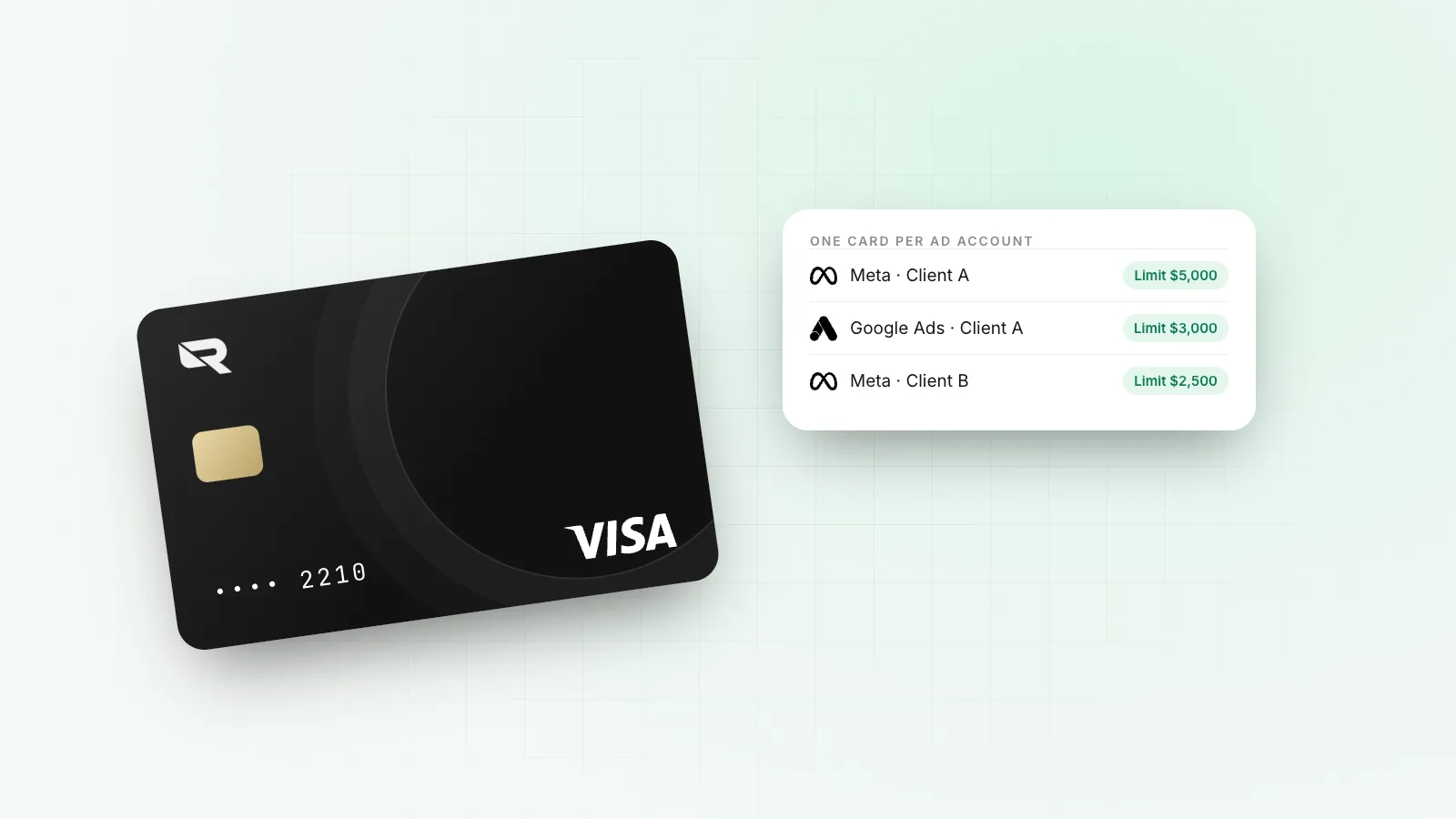
Expense management is three habits: give people the right card, collect the receipt at the moment of spend, and approve before money leaves. Here is how to set them up.
 Accounts
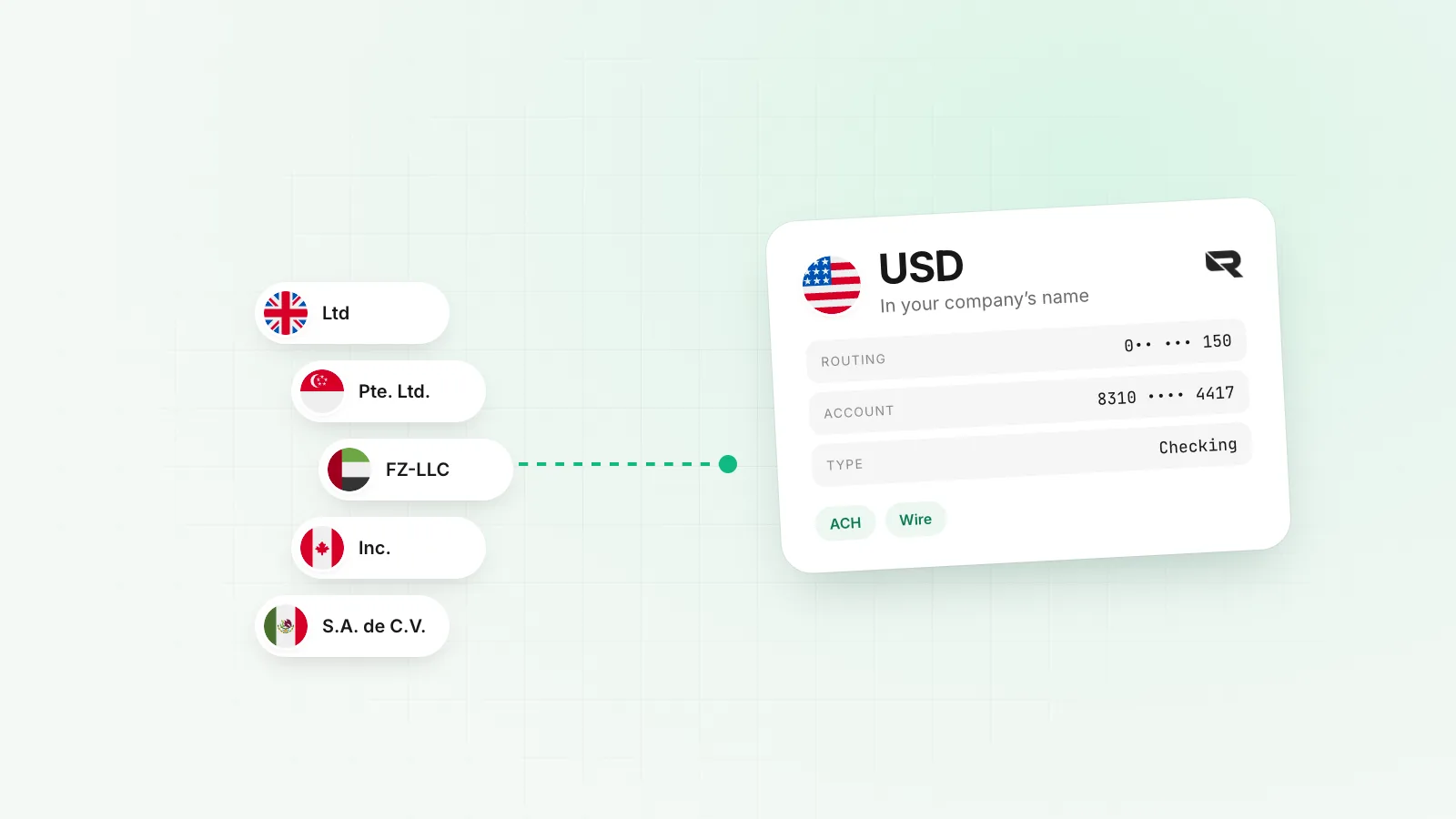
A European client's payment form asks for your IBAN. Your US account does not have one. Here is what to enter, and how to avoid the problem altogether.
 Payments
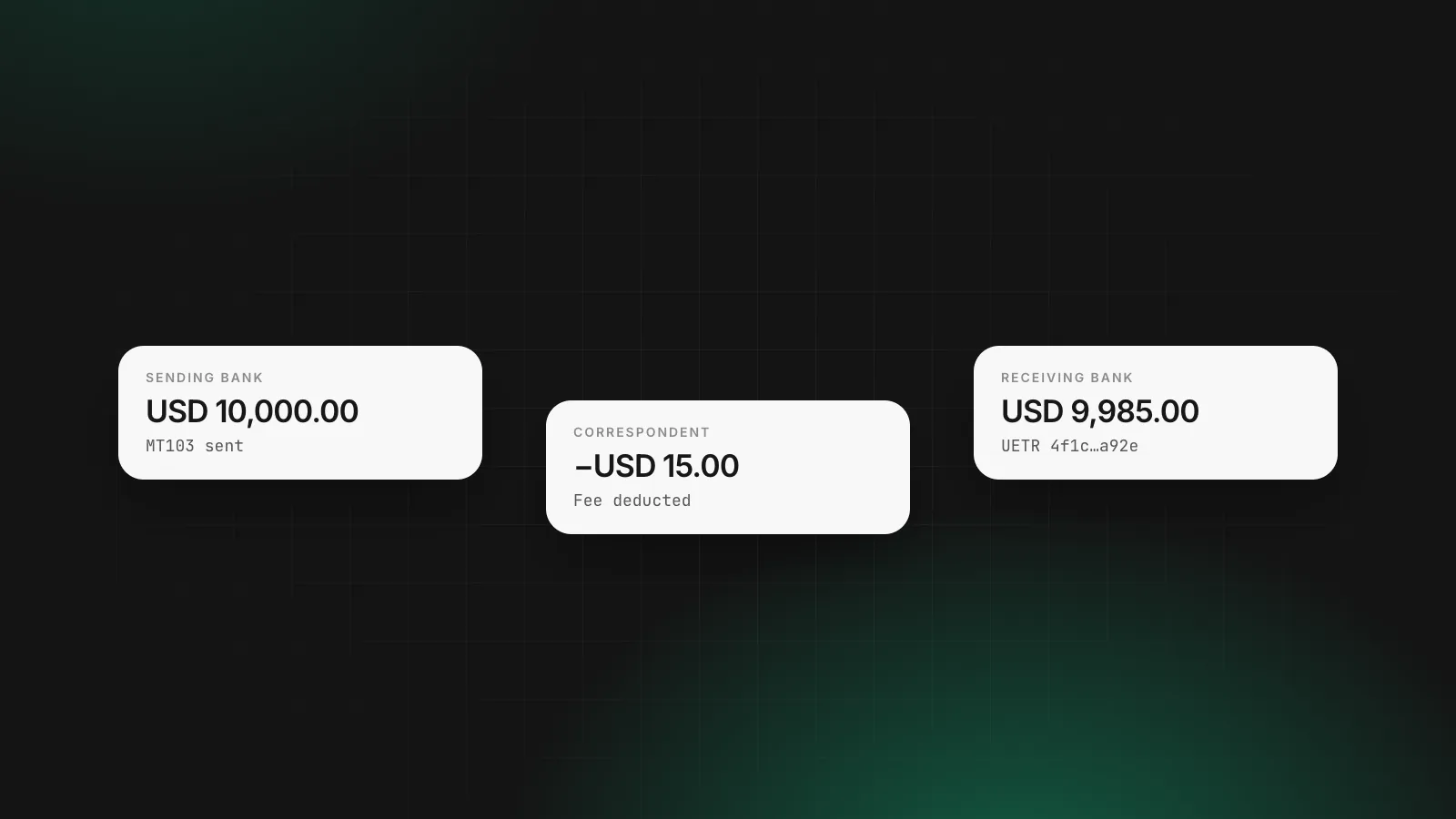
A SWIFT code identifies a bank, not an account. Here is how to read one, where to find yours, and which payments actually need it.
AccountsA US client asks for your bank details and you send five lines of numbers. Here is what each one does, which ones the client needs, and the mistakes that bounce payments.
 Accounts
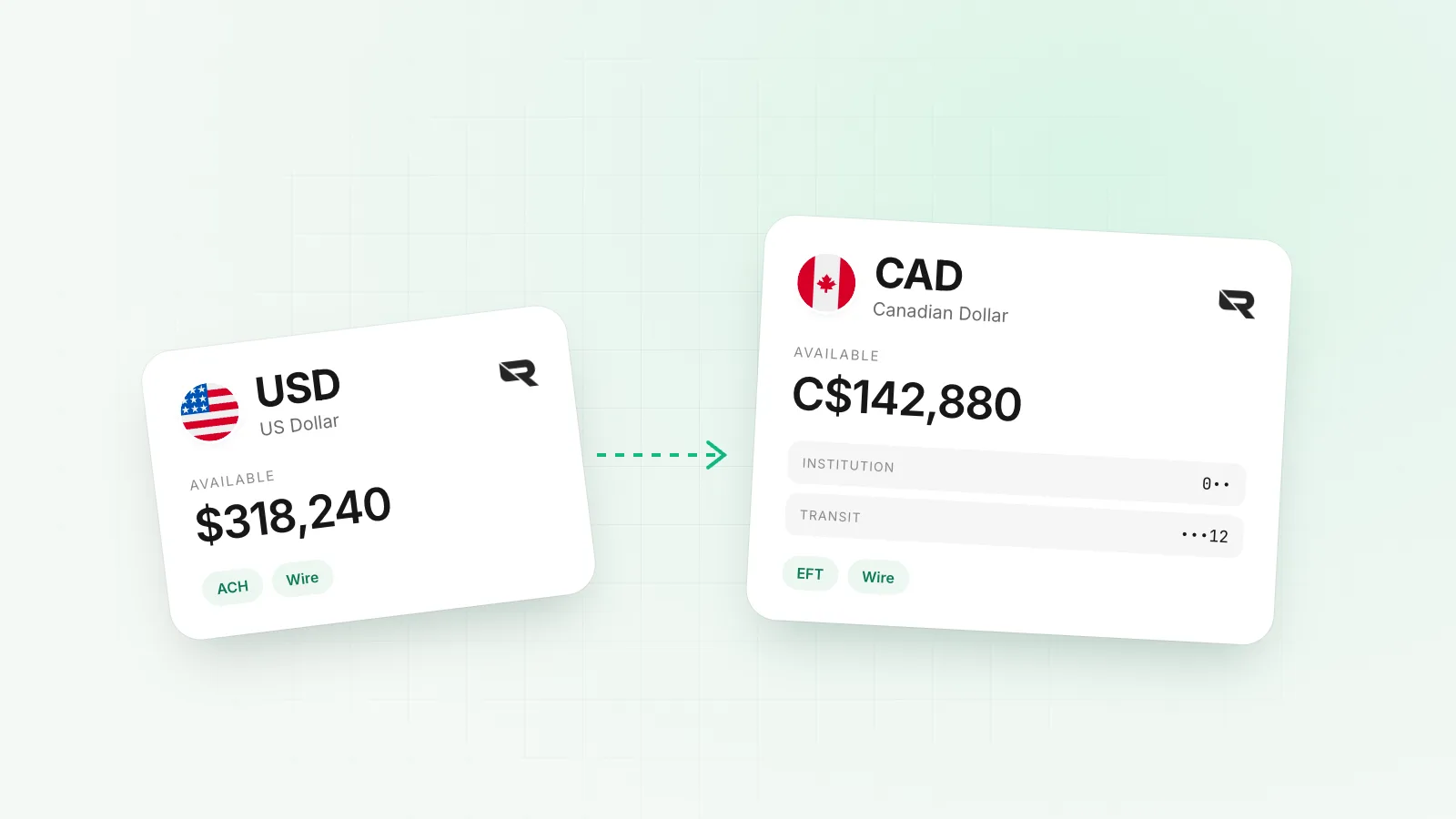
Canadian clients pay suppliers by EFT, wire or Interac e-Transfer. With CAD details in your company's name, they pay you the same way. Here is how it works.
 Payments
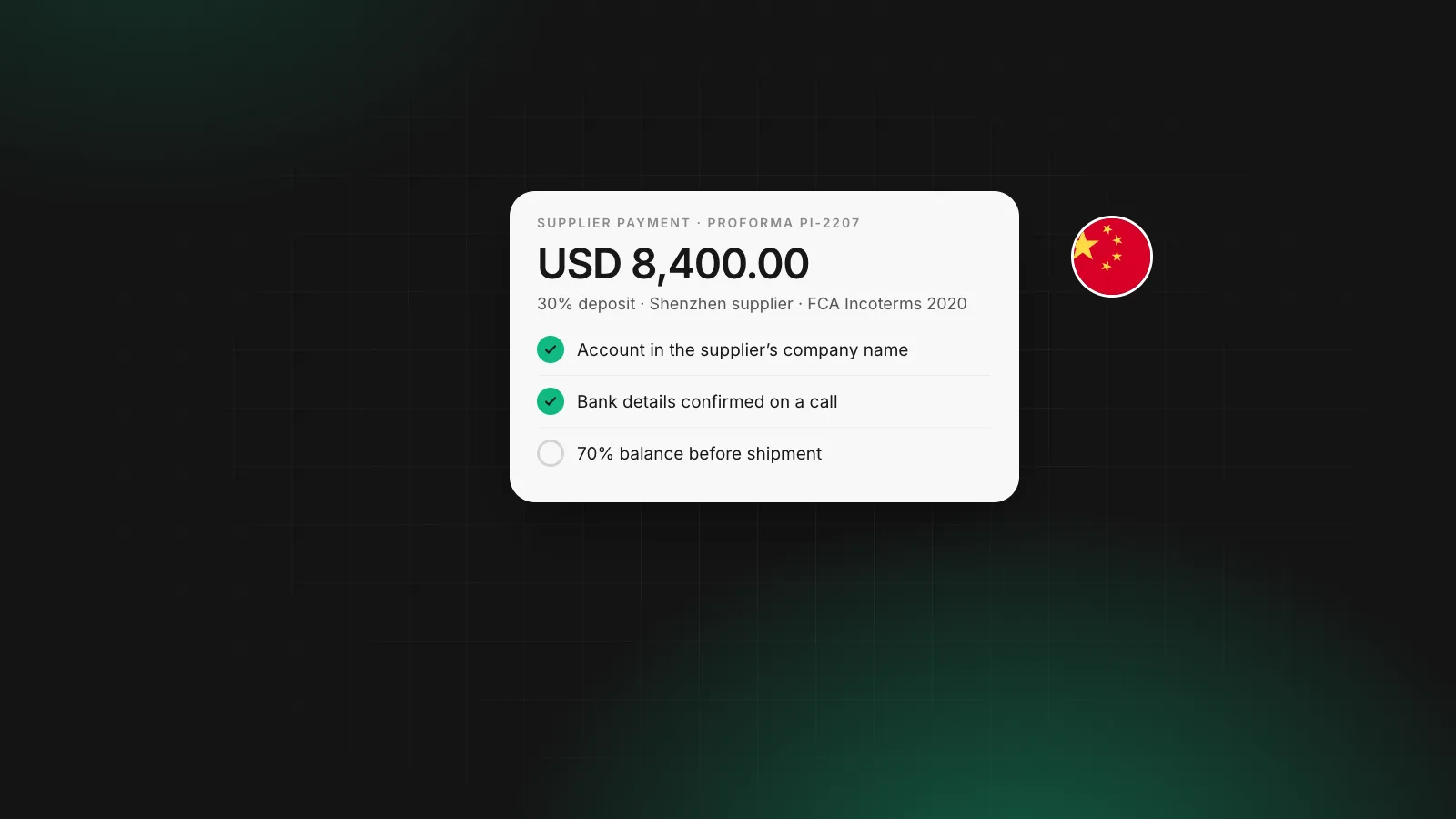
A letter of credit is a bank's promise to pay a seller when they prove they shipped. It protects both sides of a trade, for a price. Here is how it works.
PaymentsA domestic payment moves between two banks on one network. A cross-border payment has to cross at least two, and every crossing adds cost and time. Here is how it works.
ComplianceAn EIN is a US company's tax ID. Almost every bank and payment provider asks for it. Here is how to get one, including when you have no SSN.
 Cards and spend
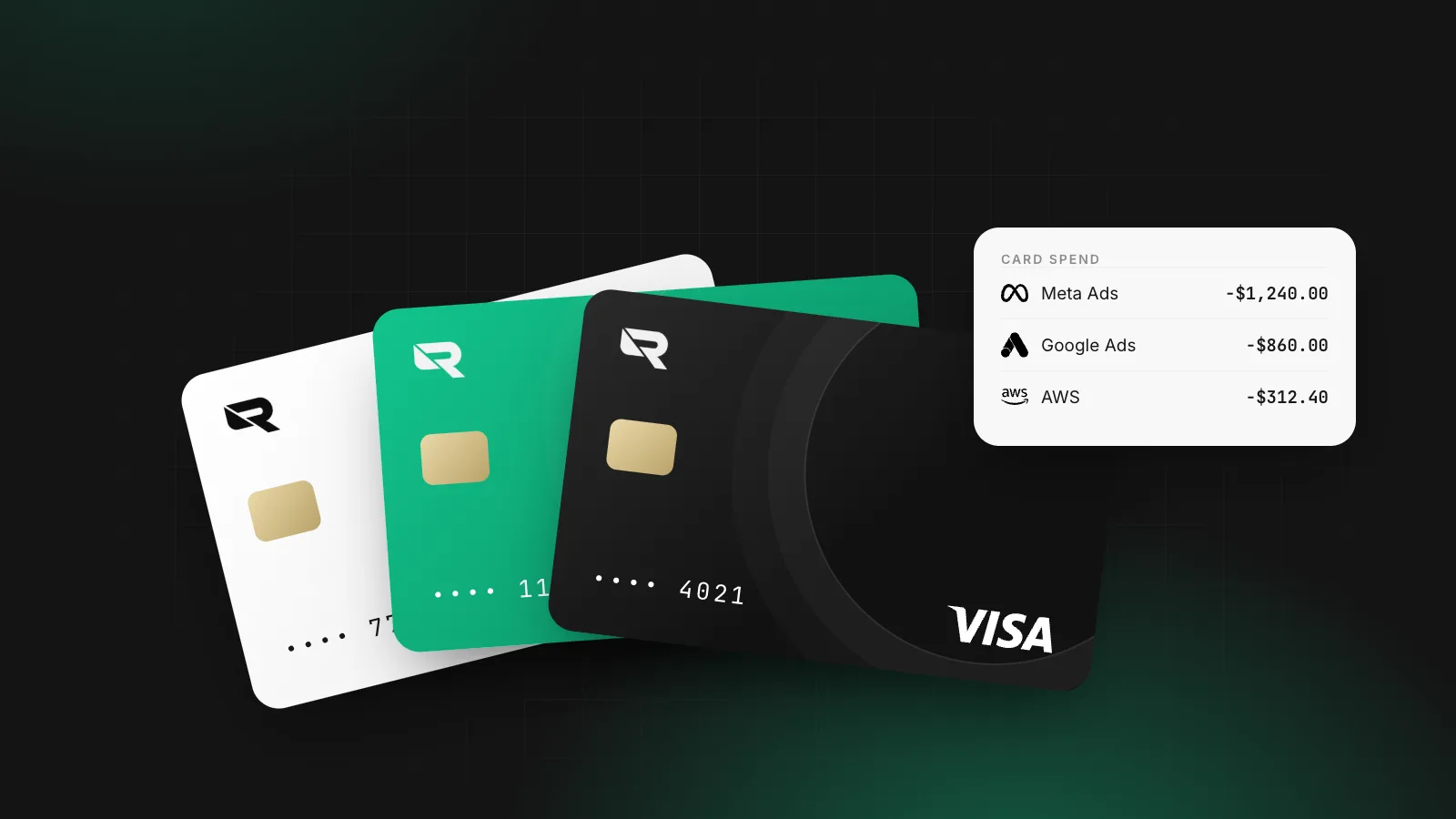
Personal virtual dollar cards are everywhere in Nigeria, Ghana, Kenya and Pakistan. A business needs something sturdier: cards in the company's name, funded from the company's dollars.
Every article is researched against primary sources: the regulation, the scheme rulebook or the provider’s own documentation. Each one lists them at the end.
Subscribe via RSSRashidatou writes Rivet's guides to how money moves between countries: the payment rails, what each one costs, and the account details a company needs to get paid in another currency. Every figure in Rashidatou's articles is traced to the scheme rulebook, the regulator or the provider's published price list, and those sources are listed at the end.
William covers what happens once a company starts moving money: getting the business verified, paying contractors and suppliers abroad, and keeping card spend under control. William writes for the founder or finance lead who has to make it work this week, and links every rule cited to the text it comes from.
Bank accounts in USD, EUR and GBP, cards with a limit on each, and payouts on local rails. Starter is free.



