W-8BEN vs W-8BEN-E: which form a non-US supplier gives a US client
A US client asks for a W-8 before paying your invoice. There are two versions, and the wrong one can mean 30% withheld. Here is which to use.
- Published
- Reading time
- 2 min read
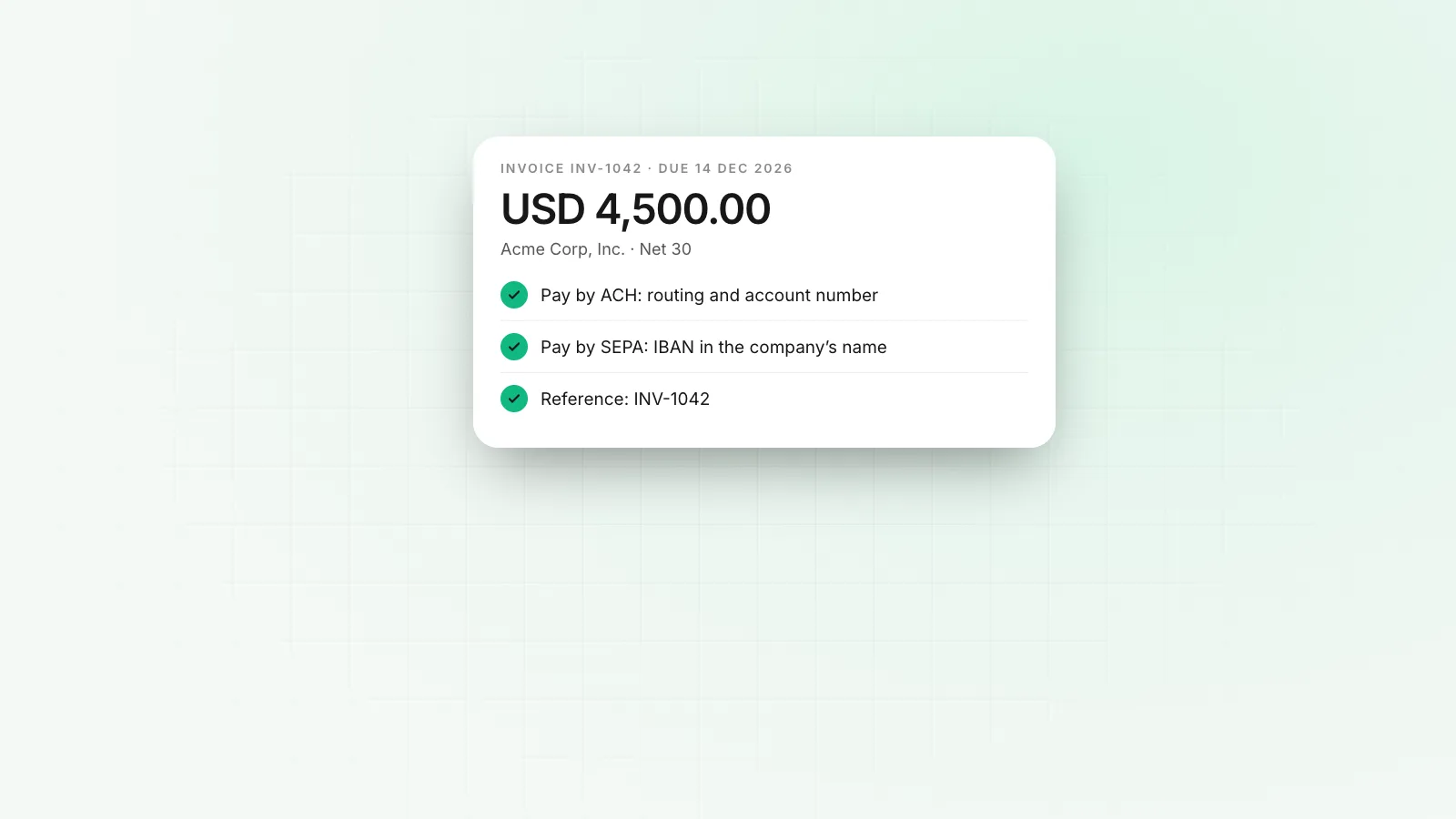
A new US client's accounts payable team sends a vendor form and asks for "a W-8". Then you find there are two, and the longer one runs to eight pages. The wrong choice can delay payment or lead the client to withhold 30%. This is general information; check your case with an accountant.
Which form to give
| You invoice as | Give the client |
|---|---|
| A non-US individual (freelancer in your own name) | W-8BEN |
| A non-US company (for example a UK Ltd or a Kenyan limited company) | W-8BEN-E |
| A US LLC with one foreign owner | Usually the owner's W-8BEN (the LLC is disregarded) |
| A US LLC with several owners, or a US corporation | W-9 |
Why US clients ask
US payers must withhold 30% on certain US-source income paid to foreign persons, such as some royalties and interest, unless they hold documentation showing who the payee is and whether a treaty reduces the rate. For services performed entirely outside the US, the income is generally not US-source, and no withholding applies. But the client cannot know that without a form, so most ask every foreign supplier for one.
Filling in the W-8BEN-E
The parts most companies need:
- Part I: legal name, country of incorporation, entity type (usually "Corporation"), FATCA status (usually "Active NFFE" for an operating business), address, and a foreign tax ID if you have one.
- Part III: treaty benefits, only if you claim a reduced rate.
- Part XXV (or the part matching your FATCA status): a short certification for an active non-financial entity.
- Part XXX: signature by an authorised person.
Most operating companies skip the majority of the form, which covers financial institutions and special cases.
How long it lasts
A W-8BEN or W-8BEN-E generally remains valid until the last day of the third calendar year after it is signed. Sign in March 2026, and it lasts to 31 December 2029, unless something on it changes. Then send a new one within 30 days.
Keep it with your payment setup
Give the client the W-8 with your invoice and payment details. Make sure the name on the form matches the name on your account details, or their AP team may stop to ask. The invoicing guide covers the rest of the invoice, and the Upwork guide covers platforms that ask for the same forms.
On Rivet
Rivet issues USD details in your company's own name, so the name on your W-8BEN-E, your invoice and your bank details all match. See Bank accounts.
Questions people ask
What is the difference between W-8BEN and W-8BEN-E?
W-8BEN is signed by a non-US individual. W-8BEN-E is signed for a non-US entity, such as a company, and asks about its entity type and status under FATCA. Use the one that matches whoever is named on your invoice.
Why does a US client ask for a W-8BEN-E?
US payers must withhold 30% on certain US-source payments to foreign persons unless they have documentation. The form tells them you are a foreign entity and, where relevant, which treaty rate applies. Many clients ask for it before paying any foreign supplier.
Does my US LLC give a W-8BEN-E?
No. A US LLC is a US entity and does not use W-8 forms. A single-member LLC owned by a non-US person is disregarded for income tax, so the owner usually gives a W-8BEN. A multi-member LLC normally gives a W-9. Check with an accountant for your case.
Is the W-8BEN-E sent to the IRS?
No. You give it to the payer, who keeps it on file. It is not filed with the IRS.
Sources
William covers what happens once a company starts moving money: getting the business verified, paying contractors and suppliers abroad, and keeping card spend under control. William writes for the founder or finance lead who has to make it work this week, and links every rule cited to the text it comes from.
More from William Sunjo M. →This article is general information, not legal, tax or financial advice. Rules and fees change; check the sources above and the provider’s current terms before you act on them.
- w-8ben-e
- w-8ben vs w-8ben-e
- w-8ben
- withholding
- us clients