Expense management for small businesses: cards, receipts and rules that work
Expense management is three habits: give people the right card, collect the receipt at the moment of spend, and approve before money leaves. Here is how to set them up.
- Published
- Reading time
- 2 min read
"Expense management software for small business" is searched by founders the month after someone asks, "Who bought this?" and nobody knows. Software helps, but the habits matter more than the tool.
The three habits
- The right card in the right hands. One card per person, or per vendor, with a limit that fits the job.
- The receipt at the moment of spend. A photo or forwarded email when the payment happens, not a shoebox at month end.
- Approval before money leaves for anything large or unusual; a quick review after for routine spend.
Cards, not reimbursements
Personal cards reimbursed later cost employees cash flow and give finance no control until it is too late. Shared company cards are worse: no one knows who spent what. Issue cards:
| Card | Limit | Example |
|---|---|---|
| Per employee | Monthly limit by role | Travel, meals, small purchases |
| Per vendor | Matches the subscription | One card for each SaaS tool |
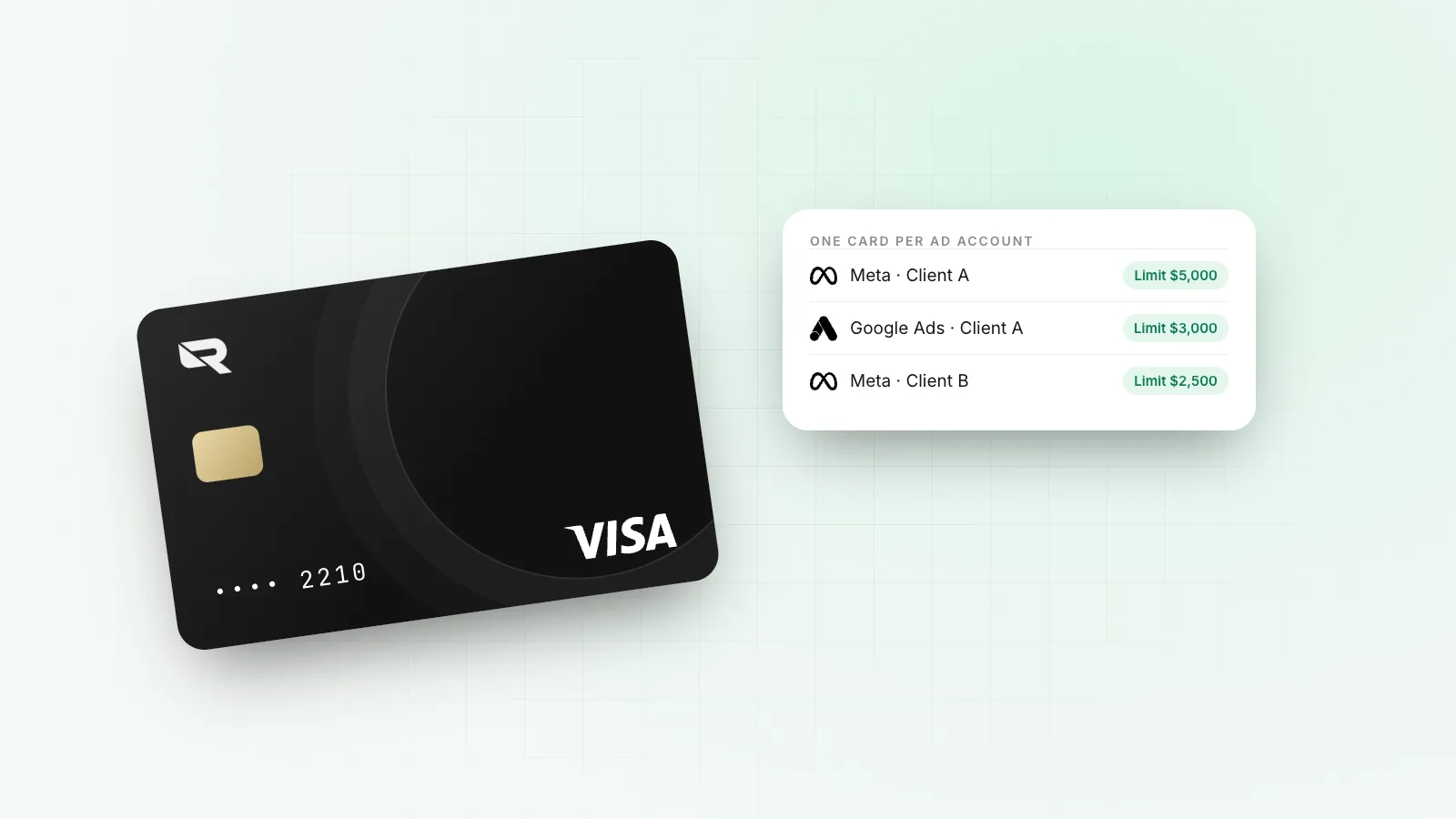
| Per ad account | Matches the campaign budget | One card per Meta or Google account |
A vendor card makes cancelling a tool a one-click freeze. The corporate cards for startups guide covers how to choose.
A one-page expense policy
- What people can spend on, and what needs approval first
- Limits by category
- Receipts required within a set time, for example 48 hours
- What is never allowed, such as personal purchases on company cards
The records tax authorities expect
For each expense, keep the receipt, date, amount, supplier and business purpose. In the US, reimbursements under an accountable plan, with substantiation and return of excess amounts, are not taxed as wages. HMRC has similar rules for employers in the UK. Ask your accountant how long to keep records where you file.
What to look for in software
- Card issuing with per-card limits and instant freeze
- Receipt capture by photo or email
- Approval rules by amount and category
- Sync to your accounting software
- Spend in several currencies without converting twice
On Rivet
Rivet includes unlimited digital cards on every plan, each with its own limit. Receipts, categories and approvals sit on the card charge itself, in the same workspace as your USD, EUR and GBP balances. Physical cards come with Growth. See Expense management and Cards.
Questions people ask
What is expense management?
The process a business uses to control, record and reimburse spending by its team: who can spend, on what, up to how much, how receipts are collected, and how the spending reaches the accounts.
What is the difference between expense management and spend management?
Expense management usually means employee expenses and reimbursements. Spend management is broader: cards, subscriptions, vendor bills and approvals before money leaves. Modern tools combine both.
What records do I need to keep for business expenses?
For each expense: the receipt or invoice, the date, the amount, the supplier and the business purpose. Tax authorities such as the IRS and HMRC expect records that support each deduction, kept for several years.
Should employees use personal cards and claim back?
It works for occasional costs. For regular spend, it costs employees cash flow, delays records and makes control harder. Company cards with limits per person are cleaner.
Sources
William covers what happens once a company starts moving money: getting the business verified, paying contractors and suppliers abroad, and keeping card spend under control. William writes for the founder or finance lead who has to make it work this week, and links every rule cited to the text it comes from.
More from William Sunjo M. →This article is general information, not legal, tax or financial advice. Rules and fees change; check the sources above and the provider’s current terms before you act on them.
- expense management
- expense management software
- spend management
- expense policy
- receipts