Virtual IBANs explained: what they are and how businesses use them
A virtual IBAN looks and works like any IBAN for the person paying you. Behind it, the money lands in an account held elsewhere. Here is what that means for a business.
- Published
- Reading time
- 2 min read
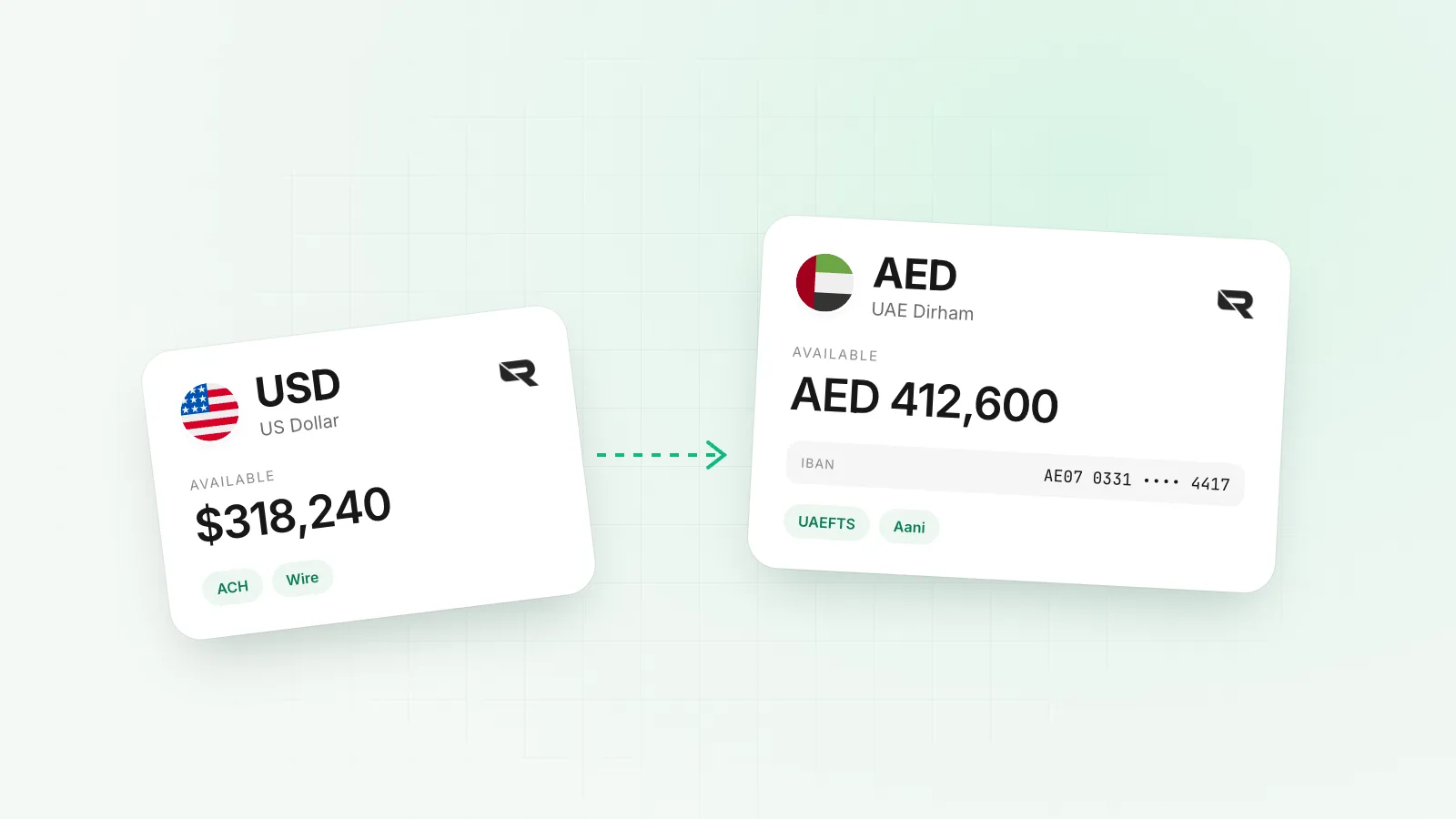
"Virtual iban meaning" and "virtual iban vs iban" are searched by founders who see the word "virtual" on a provider's pricing page and wonder whether it is a lesser product. For the person paying you, it is not. It is an IBAN, it takes SEPA transfers, and the money arrives. The difference is in where the money sits.
What is a virtual IBAN?
A virtual IBAN is an IBAN that routes incoming payments to an underlying account instead of being a full account in its own right. Usually the underlying account is a master account the provider holds at a bank. When a payment arrives on your virtual IBAN, the provider credits your balance in its own systems.
Virtual IBAN vs IBAN
| Regular IBAN | Virtual IBAN | |
|---|---|---|
| Format | Country code, check digits, bank and account | Same |
| Payer's experience | Normal SEPA transfer | Normal SEPA transfer |
| What it identifies | A full bank account | A routing reference into an underlying account |
| Who holds the money | The account holder's bank | The provider, in a master or safeguarding account |
| Sending from it | Yes | Depends on the provider |
Why providers issue them
- One IBAN per customer, without opening a full bank account for each one.
- One IBAN per client or invoice, so incoming payments reconcile themselves.
- A local IBAN in a country where the provider has a banking partner, so payers see a familiar country code.
What to check before you use one
- The account name. Since October 2025, euro payers see a name check before paying. Find out whether it returns your company's name or the provider's. The SEPA Instant and Verification of Payee guide explains why it matters.
- The country code. Some payers and payroll systems are wary of IBANs from a different country than the supplier. Under EU rules, a payer in the euro area should accept any SEPA IBAN, but a familiar code avoids questions.
- Sending. Can you pay suppliers from the same EUR balance?
- Instant payments. Does it receive SEPA Instant?
- The provider. Its licence and how it safeguards customer money.
How regulation treats them
The EU's 2024 anti-money-laundering package requires member states' central bank account registers to include virtual IBANs and link them to the account behind them, so authorities can trace who a virtual IBAN belongs to. For a business, that changes nothing day to day; it closes a gap that had let some virtual IBANs be hard to trace.
EUR details on Rivet
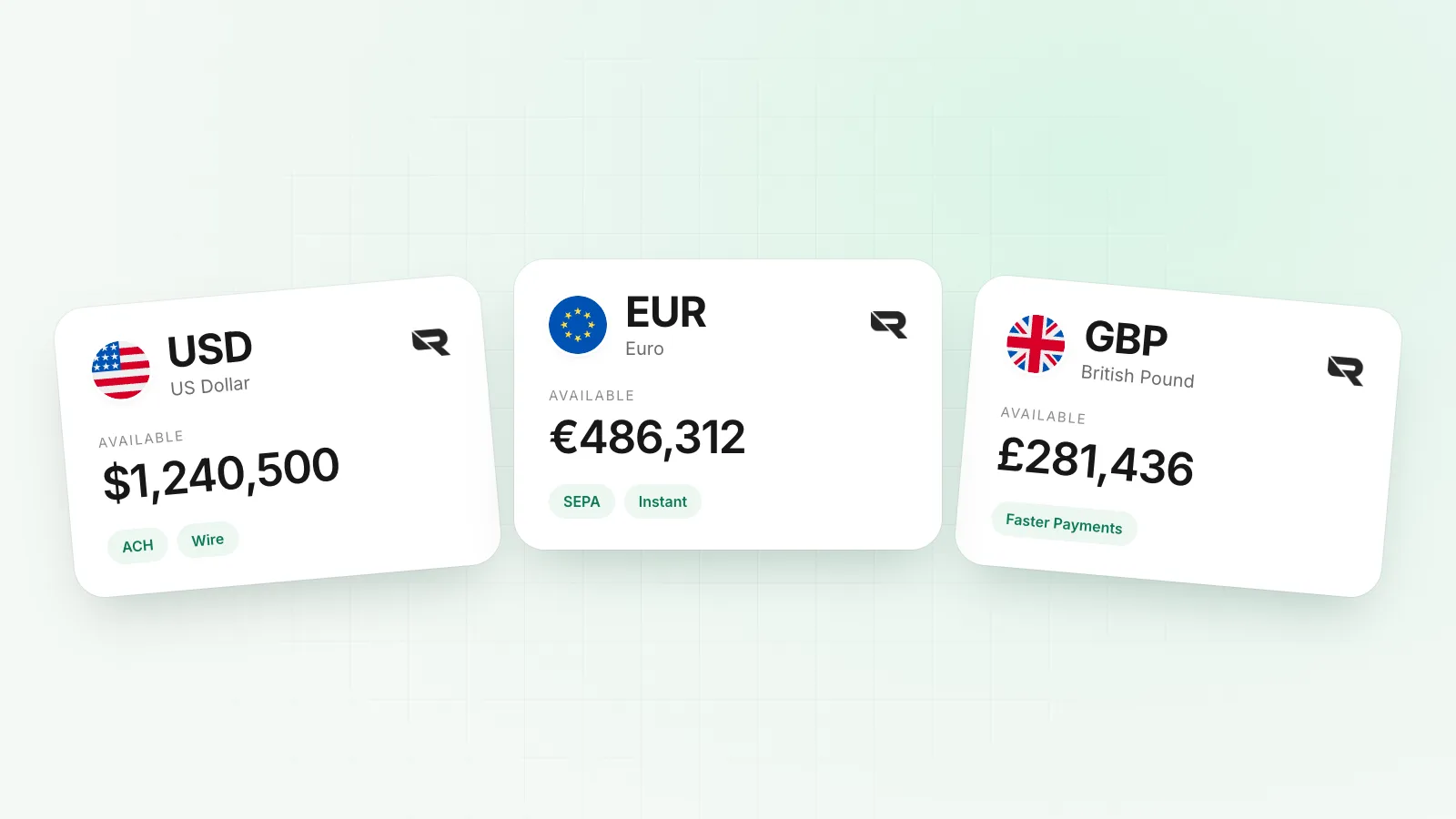
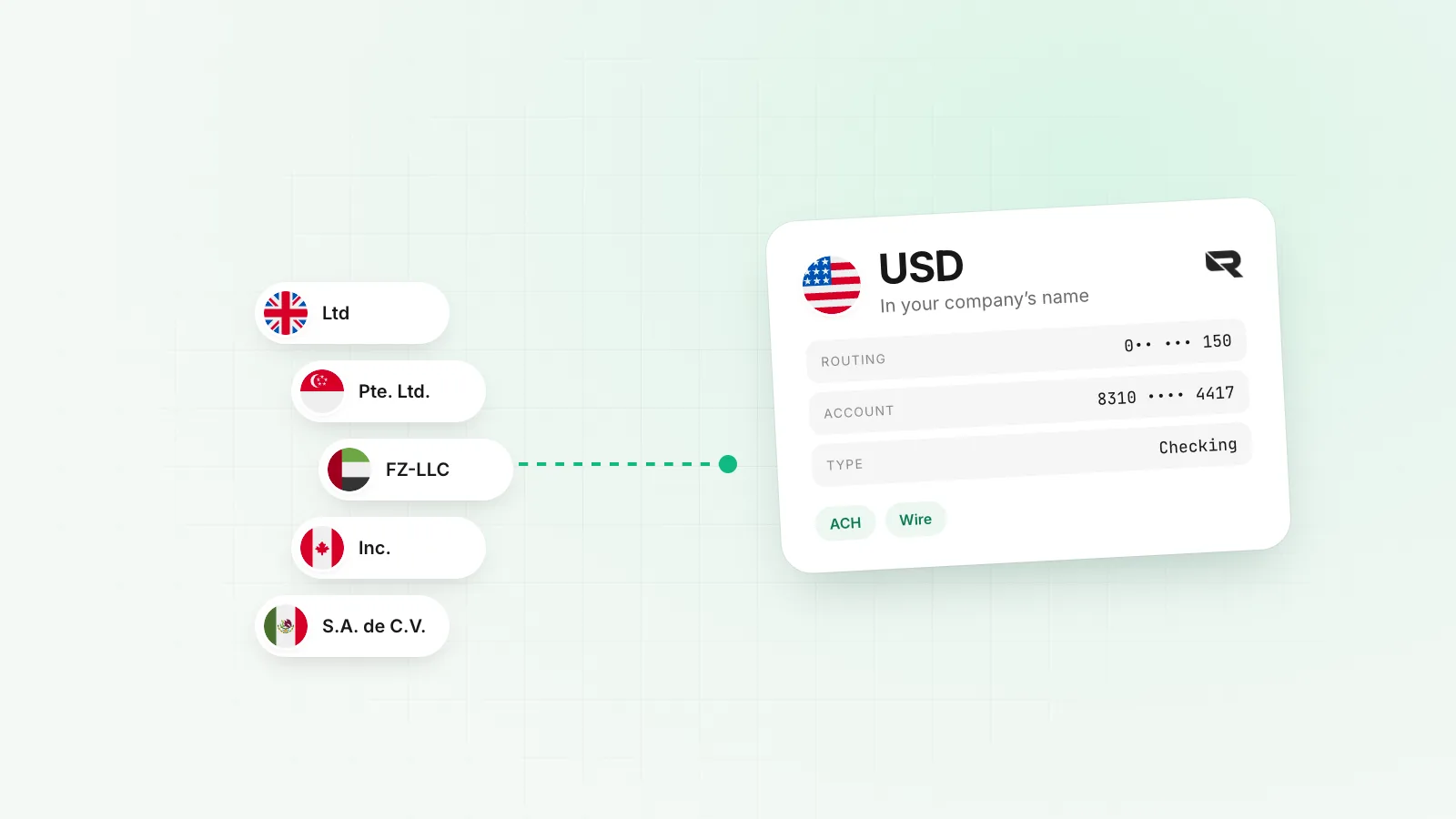
Rivet's Growth plan includes EUR details with an IBAN on the SEPA network, issued for your company, so European clients pay you by SEPA like a local supplier. The SEPA guide explains how non-EU companies use them, and Bank accounts lists what each currency includes.
Questions people ask
What is a virtual IBAN?
An IBAN issued by a bank or payment provider that points to an underlying account rather than being a full account of its own. Payments sent to it are credited to the customer it was issued for, inside the provider's systems.
What is the difference between a virtual IBAN and an IBAN?
For the payer, nothing: both have the same format and work on SEPA. The difference is behind the scenes. A regular IBAN identifies a full bank account; a virtual IBAN routes money into another account, and the provider credits the right customer.
Are virtual IBANs legal and safe?
Yes, they are widely used by regulated banks and payment institutions. The safety question is about the provider: whether it is licensed, how it safeguards customer money, and how quickly it credits incoming payments.
Can a company outside the EU get a virtual IBAN?
Often, yes. Several providers issue euro IBANs to companies registered outside the EU so they can receive SEPA payments from European clients. Check which countries the provider accepts.
Sources
Rashidatou writes Rivet's guides to how money moves between countries: the payment rails, what each one costs, and the account details a company needs to get paid in another currency. Every figure in Rashidatou's articles is traced to the scheme rulebook, the regulator or the provider's published price list, and those sources are listed at the end.
More from Rashidatou K. →This article is general information, not legal, tax or financial advice. Rules and fees change; check the sources above and the provider’s current terms before you act on them.
- virtual iban
- virtual iban meaning
- virtual iban vs iban
- virtual account
- sepa