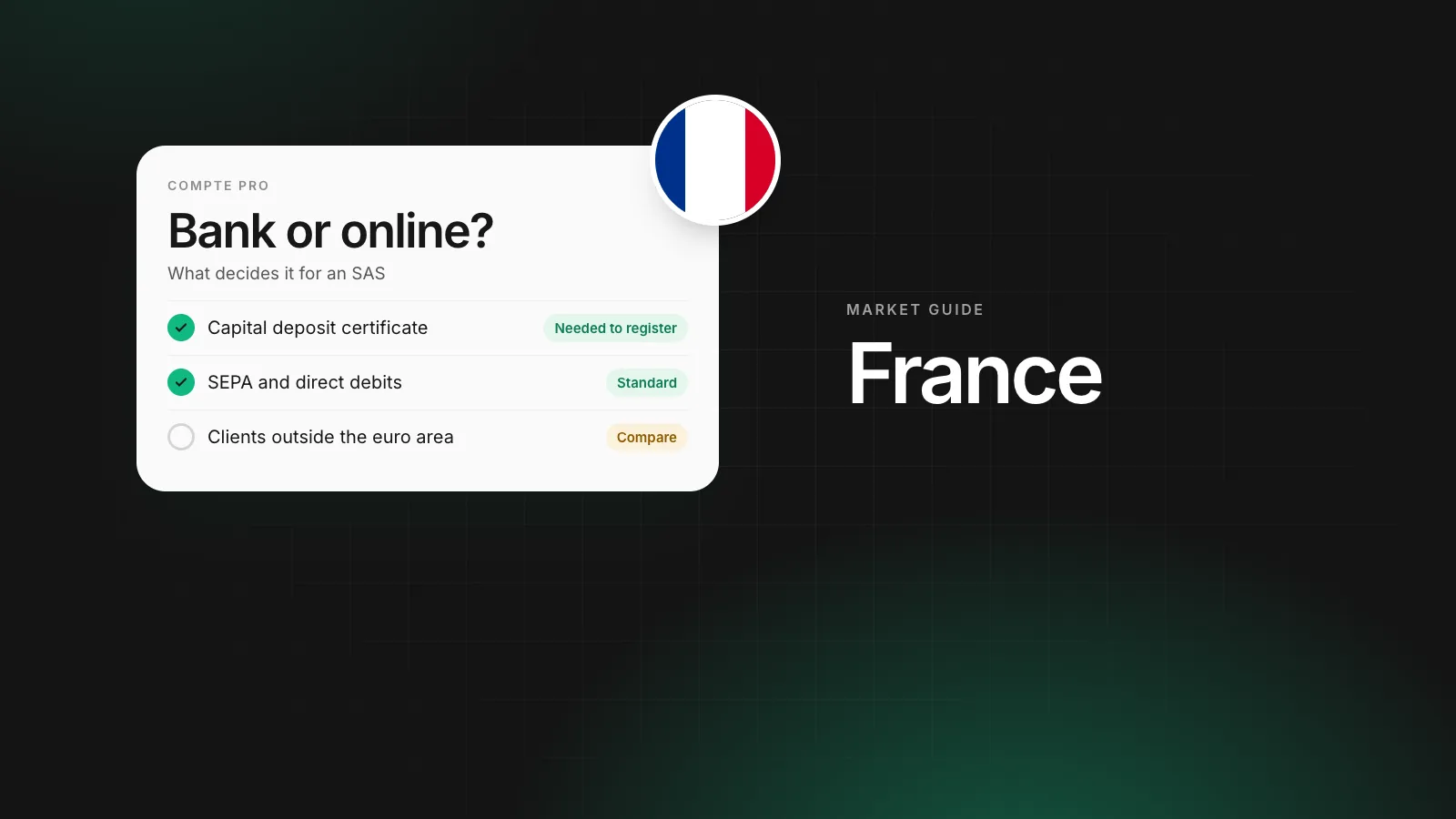
French companies send euros within SEPA at the same price as a domestic transfer, and since October 2025 banks check the payee's name against the IBAN before a SEPA transfer goes out. Payments outside SEPA, or in other currencies, go by SWIFT with a fee, an FX margin and possible intermediary charges, so paying a foreign supplier in its own currency on its local rail usually costs less.
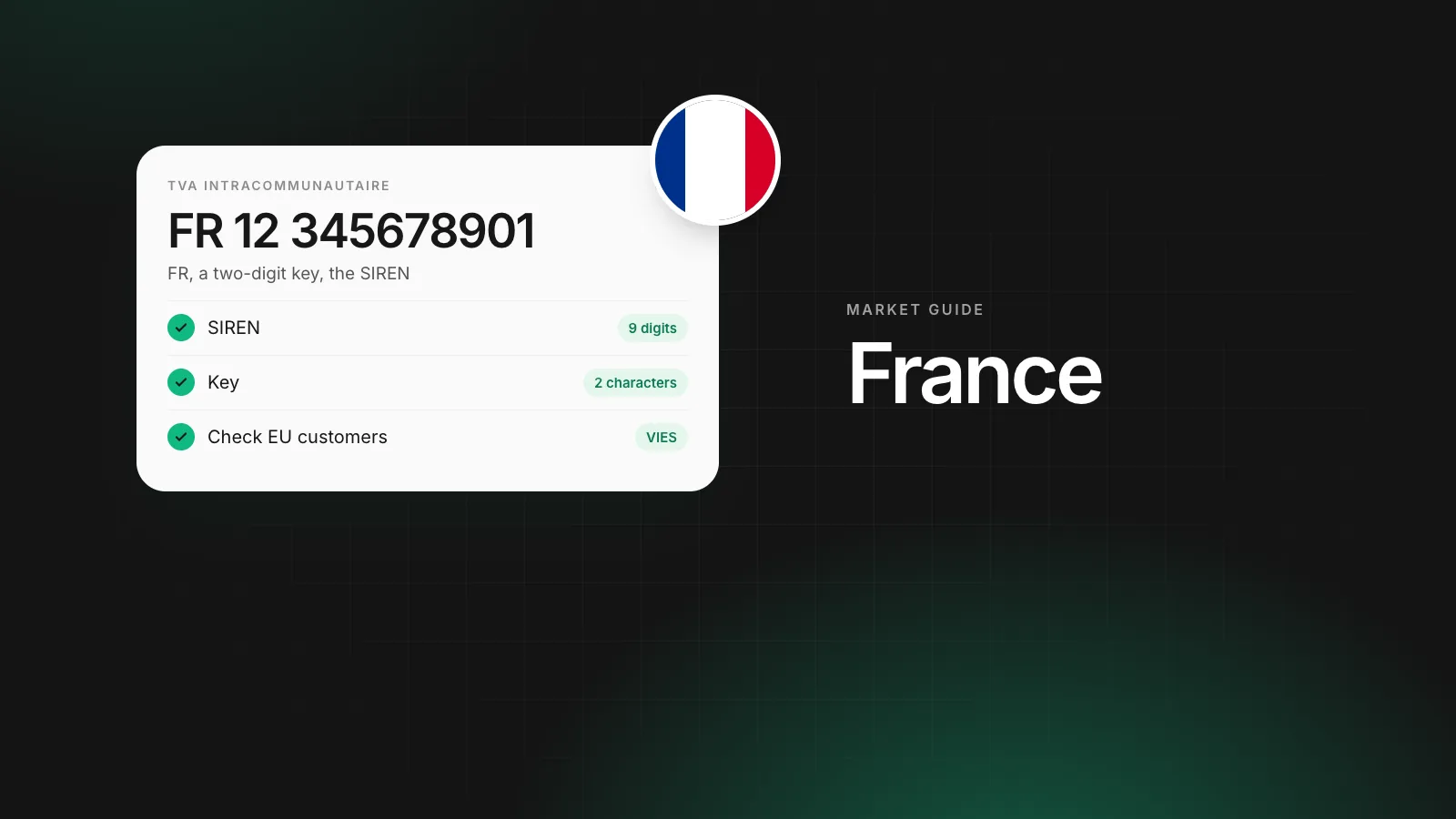
Buying services from abroad triggers autoliquidation: the French business self-assesses VAT, usually at 20%, and deducts the same amount if entitled, so the cash effect is usually zero. The French VAT number is FR, a two-character key and the nine-digit SIREN, and EU customers' numbers should be checked on VIES before invoicing without VAT.
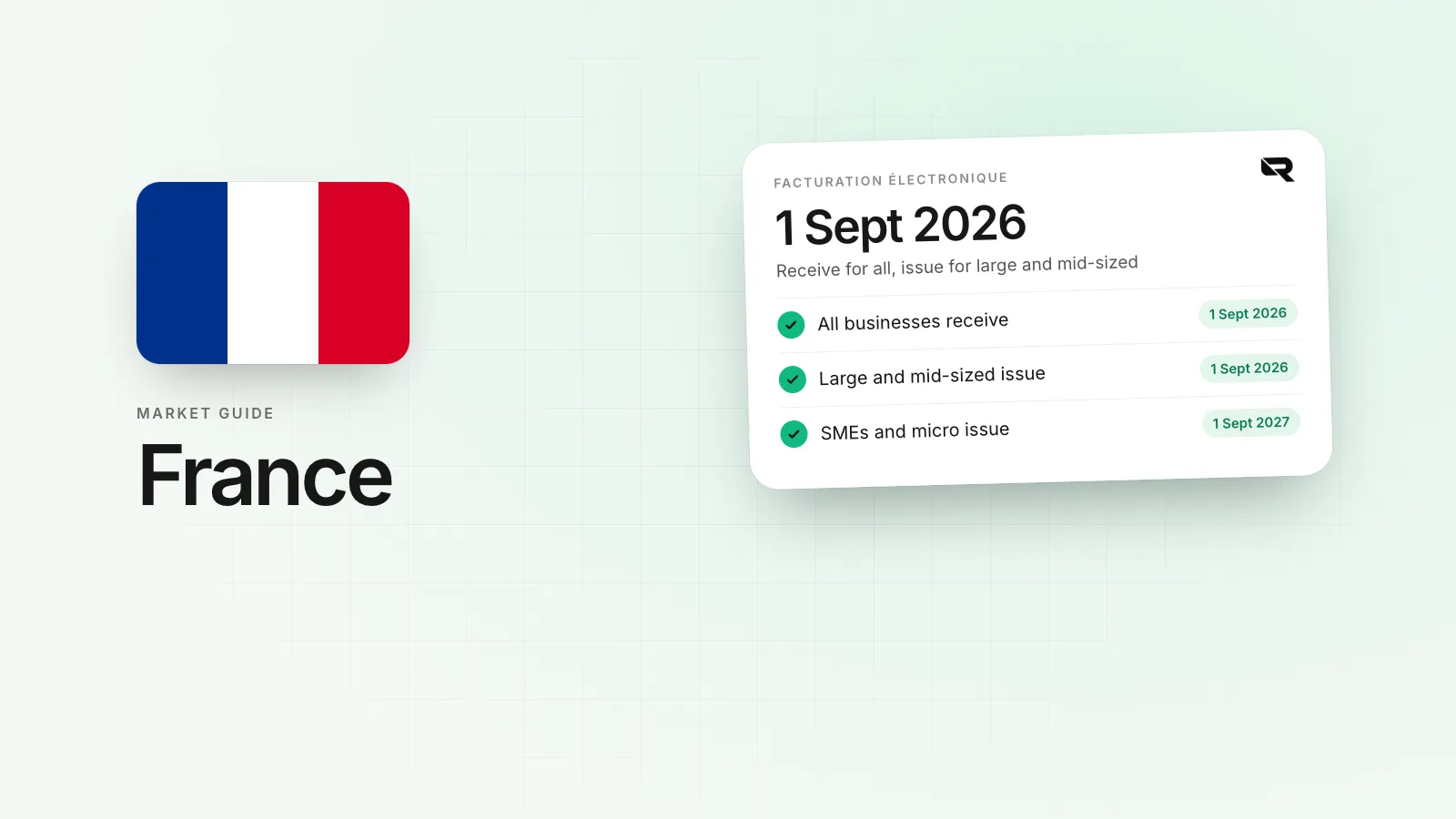
E-invoicing is arriving in stages. From 1 September 2026 every VAT-registered business must be able to receive e-invoices and large and mid-sized companies must issue them; small and micro businesses follow on 1 September 2027. Invoices travel through approved platforms, and cross-border sales are covered by e-reporting.
A new SAS or SARL also needs a capital deposit certificate before registration, so choosing a business account is one of the first steps.

 Compliance