Greece, Malta and Cyprus: business payments guide
Three euro-area island and coastal economies that earn a lot from outside the euro: UK tour operators paying Greek hotels in pounds, Maltese agencies billing London and Miami, and Cypriot ship managers paying crews in dollars.
- Published
- Reading time
- 5 min read
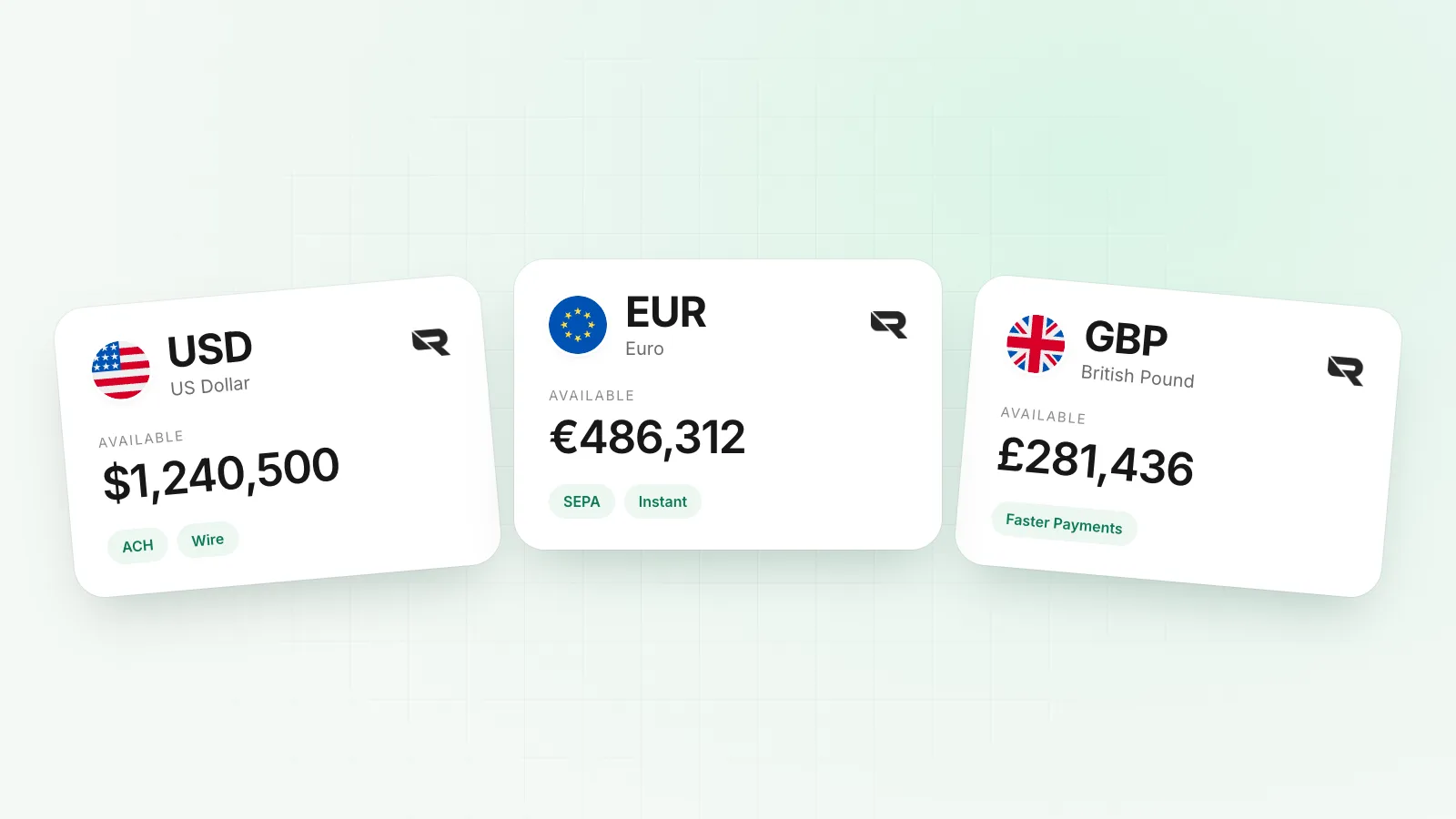
Companies in Greece, Malta and Cyprus pay and get paid in euros at home, by SEPA, but much of their income comes from outside the euro area: UK tour operators paying in pounds, US clients and ship charters in dollars. A euro account converts those payments on arrival. Holding pounds and dollars lets the company choose when to convert.
Jump to a country: Greece · Malta · Cyprus
The three countries at a glance
| Country | Currency | Domestic rail | Where foreign money comes from | What to set up |
|---|---|---|---|---|
| Greece | Euro | SEPA Instant, with IRIS for mobile transfers | UK and German tour operators, booking platforms | Sterling balance for UK operators; myDATA records for every invoice |
| Malta | Euro | SEPA Instant | UK and US clients of service companies | Sterling details for Faster Payments, US details for ACH, Form W-8BEN-E |
| Cyprus | Euro | SEPA Instant | Dollar charter and shipping income | Dollar balance for crew wages; allotments in local currency |
In all three, SEPA Instant settles euro transfers in under ten seconds, around the clock. Under the EU Instant Payments Regulation, banks may charge no more for it than for a standard SEPA transfer.
Greece: hotels collecting from UK tour operators and booking platforms
Greek hotels are paid by three kinds of payer on three schedules. Tour operators pay under contract: a typical allotment agreement pays monthly in arrears, sometimes with a pre-season advance, and UK operators often contract in pounds while German ones contract in euros. Booking platforms either let the guest pay the hotel at check-in or check-out, or collect from the guest and pay the hotel after the stay, minus commission, often by bank transfer or virtual card. Direct bookings come through the hotel's own booking engine and card terminal.
A British operator paying into a Greek euro account sends an international transfer that the Greek bank converts on arrival at its own rate, and the hotel has no say over the day. Over a season the margin adds up. A sterling balance receives the pounds as pounds; the hotel converts when it needs euros, at a rate it sees first, or pays UK costs such as a sales agent, marketing or a travel fair stand directly.
Reconcile while the season is running: match each operator payment to its monthly statement and booking references, and each platform payout to the bookings it covers, net of commission. Then plan winter in July. Many seasonal businesses move a fixed share of each month's receipts into a reserve sized for November to April loans, insurance, maintenance and pre-season staff.
Every invoice a Greek business issues, including to foreign clients, is also recorded in AADE's myDATA platform, and B2B e-invoicing through certified providers became mandatory in 2026. See Greece's B2B e-invoicing and myDATA for the start dates and how foreign sales are classified.
Malta: paying remote contractors and collecting USD and GBP from clients
A Maltese company selling services to businesses in the UK or US generally charges no Maltese VAT, because the place of supply is the client's country. The invoice states the reason. Keep evidence that the client is a business, such as company details and a signed engagement letter. A Maltese company can invoice in pounds or dollars and record the invoice in euros at a documented rate. US clients will ask for Form W-8BEN-E; for services performed in Malta, payments are generally made without US withholding, and the Malta-US tax treaty covers other income types.
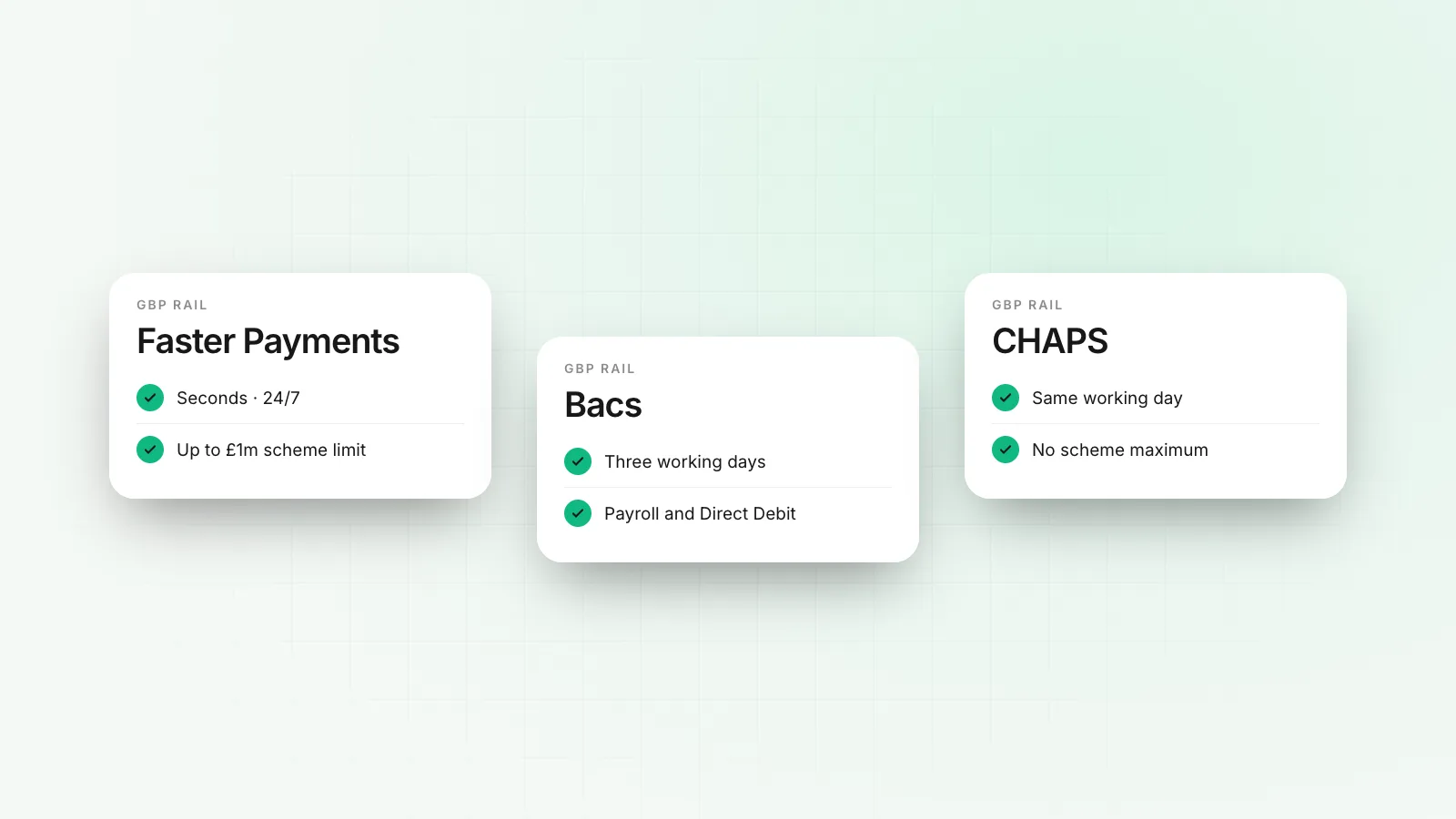
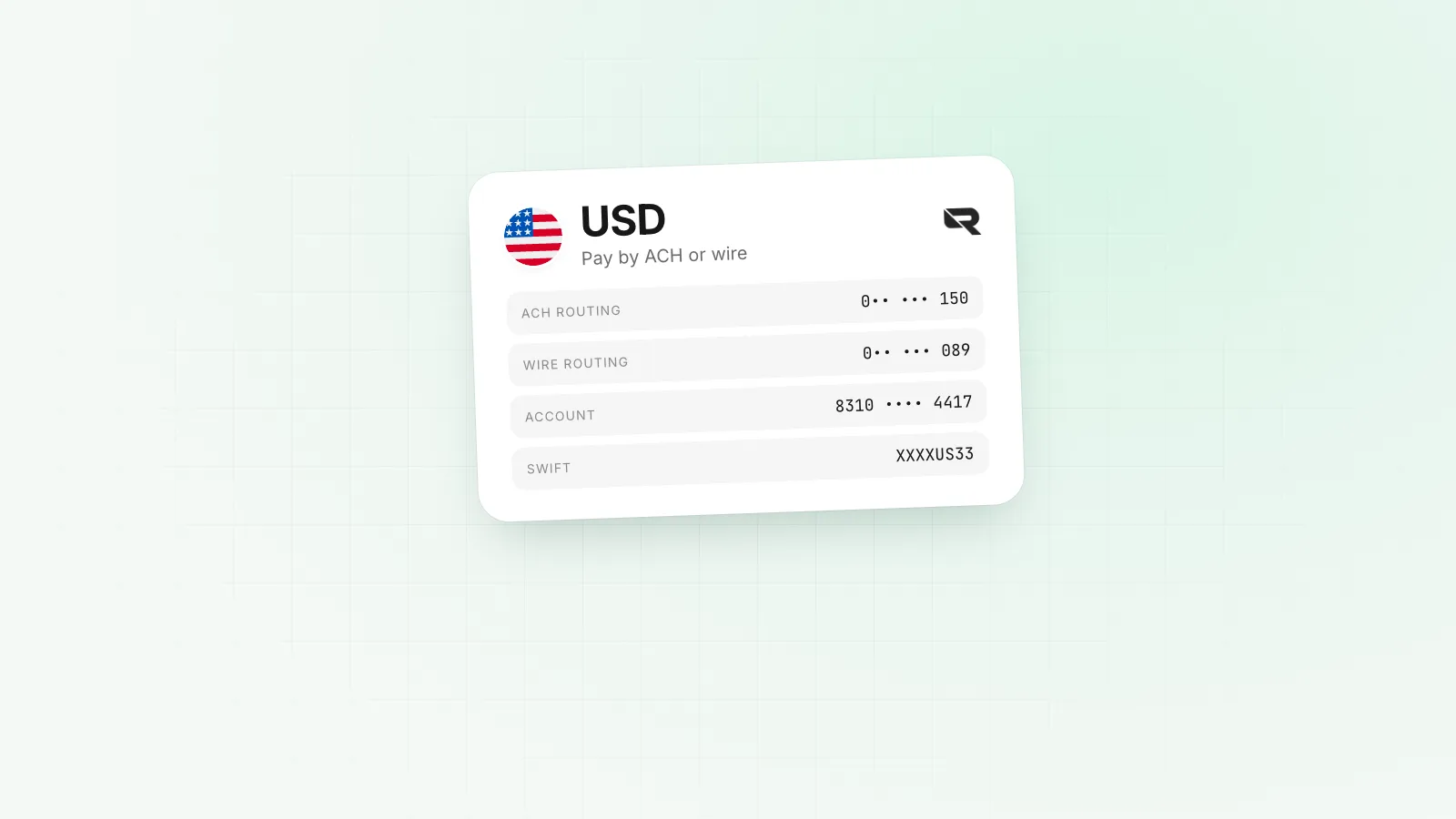
Asked to pay a Maltese IBAN, a London client sends an international transfer and a Miami client a wire, which many US accounts payable teams approve slowly. Sterling details let the London client pay by Faster Payments, usually in seconds, and US details let the Miami client pay by ACH in one to two business days. Both arrive in full, in the invoiced currency. Pay UK freelancers, US software and advertising from those balances and convert only the surplus to euros.
Malta's tight job market means many companies use contractors abroad. Their invoices carry no Maltese VAT: under the reverse charge the Maltese company accounts for it and, if entitled to full recovery, deducts it in the same return. For each payment keep the signed agreement, the invoice and proof of payment showing amount, currency and rate, because the Commissioner for Revenue can ask for all three. A contractor who works full time for one company, follows its schedule and sits in its team can be treated as an employee in their own country. Pay euro-area contractors by SEPA and others in local currency (dinars in Serbia, pesos in the Philippines, naira in Nigeria) so their bank does not convert and charge. Confirm any change of bank details by phone or video call, never by email alone, and have a second person approve the first payment to new details. More in how to pay international contractors.
Cyprus: ship managers paying crew wages and allotments abroad
Cyprus ship managers usually set crew wages in US dollars, often under collective agreements negotiated with seafarers' unions, and the Maritime Labour Convention requires that seafarers can send part of their pay home. Most do it through an allotment: a fixed part of wages paid each month to a family member or account at home. For a Limassol manager crewing from the Philippines, India, Ukraine and Georgia, that can mean hundreds of allotments a month.
Sent as a dollar SWIFT transfer, an allotment is converted by the family's bank in Manila or Mumbai at its own rate, sometimes after an intermediary fee. The family receives an amount nobody predicted, and the complaint travels back through the crewing agency. Paying allotments in pesos or rupees to the family's local account, on local rails, fixes the amount: the ship manager converts at a rate it sees before confirming, and the money often lands the same day. Some seafarers prefer dollars to their own account, so ask each one at signing on and record the choice in the allotment instruction.
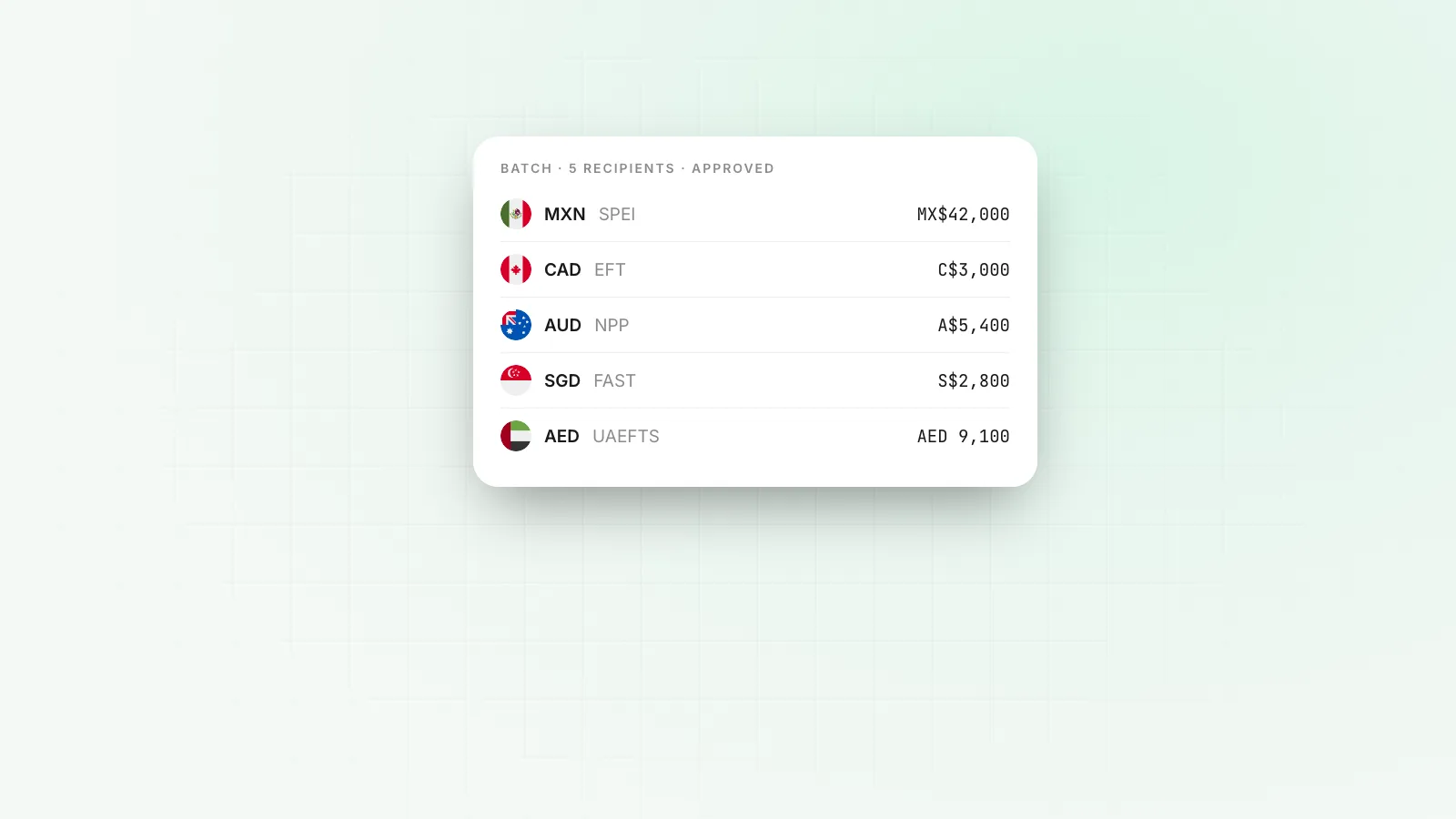
Crew payroll is a fraud target, usually a message claiming the family has changed bank accounts. Take and verify bank details at signing on through the crewing agency, confirm any change with the seafarer directly, and require a second approver for the first payment to new details. Send the month's allotments as one bulk payout uploaded from the payroll system rather than hundreds of single transfers; bulk payments explained covers how. For opening the account itself, see business accounts for Cyprus companies with international owners.
Where Rivet fits
Companies registered in supported countries can apply for a Rivet business account, and availability for each country is confirmed during verification. An approved company gets US dollar details in its own name on every plan and, from the Growth plan, sterling details for Faster Payments and euro details with an IBAN. UK operators and clients pay in pounds, US clients by ACH, and balances are held until you choose to convert at a rate shown before you confirm. Bulk payouts reach contractors and crew families in 120+ countries, including the Philippines and India, on local rails where available, and from Growth a second approver can be required. Visa company cards spend from any balance. Rivet is not a bank; regulated partner institutions hold the funds. See Rivet business accounts.
Questions people ask
How do UK tour operators pay Greek hotels?
Under the allotment or contract, usually by bank transfer monthly in arrears, often in pounds. Paid to a euro account, the transfer is converted by the bank on arrival.
When do booking platforms pay hotels?
It depends on the model. With pay-at-hotel, the guest pays you directly. With platform-collected payments, the platform pays out after the guest's stay, net of its commission.
Do Maltese companies charge VAT to UK clients?
For most services to UK businesses, no. The place of supply is the UK, and the invoice states that Maltese VAT does not apply.
Does a Maltese company pay VAT on a foreign contractor's invoice?
Under the reverse charge, the Maltese company accounts for the VAT and, if fully entitled, deducts it in the same return. The contractor's invoice should not include Maltese VAT.
Why are crew wages in dollars?
International shipping prices most things in dollars, and collective agreements such as those negotiated with ITF-affiliated unions set wage scales in dollars.
Should allotments be paid in dollars or local currency?
Ask the seafarer. Many prefer local currency to a family bank account so the amount is predictable; some prefer dollars to their own account.
Sources
- 01Greek Tourism Confederation (SETE)
- 02Bank of Greece: external sector statistics
- 03AADE: myDATA
- 04Commissioner for Revenue (Malta): VAT
- 05Central Bank of Malta
- 06IRS: Instructions for Form W-8BEN-E
- 07Pay.UK: Faster Payments
- 08ILO: Maritime Labour Convention
- 09Cyprus Shipping Chamber
- 10Deputy Ministry of Shipping (Cyprus)
- 11European Payments Council: SEPA Instant Credit Transfer
Rashidatou writes Rivet's guides to how money moves between countries: the payment rails, what each one costs, and the account details a company needs to get paid in another currency. Every figure in Rashidatou's articles is traced to the scheme rulebook, the regulator or the provider's published price list, and those sources are listed at the end.
More from Rashidatou K. →This article is general information, not legal, tax or financial advice. Rules and fees change; check the sources above and the provider’s current terms before you act on them.
- greece
- malta
- cyprus
- tourism
- shipping
- contractors
- gbp
- reverse charge