Opening a business account for a Cyprus company with international owners
Cyprus remains a base for international trading, shipping and tech companies. Its banks have become far stricter since 2013, and stricter again since 2022. A Cyprus company owned from abroad needs to show substance, clear owners and a business that makes sense from Limassol or Nicosia.
- Published
- Reading time
- 2 min read
A software group sets up a Cyprus holding and operating company in Limassol, with founders in Israel and Germany. It rents an office, hires a finance manager and two developers locally, and appoints one resident director. The bank still asks for eight weeks of back and forth. A friend's Cyprus company with a nominee director and no office is declined by three banks.
Why Cyprus is strict
Cyprus built a large international business sector, and its banks once served it with few questions. The 2013 banking crisis and later regulatory pressure, including the sanctions period from 2022, changed that. Banks now look hard at companies whose owners, clients and money are all outside Cyprus.
The reviewer's question is simple: what does this company actually do in Cyprus?
Substance
The answers that work:
- an office you lease and work from,
- local employees on Cypriot payroll,
- directors who live in Cyprus and make decisions there,
- contracts and activity that are run from the island.
Substance also matters for tax. A company managed and controlled from abroad may not be Cypriot tax resident, whatever its incorporation.
The file
Prepare:
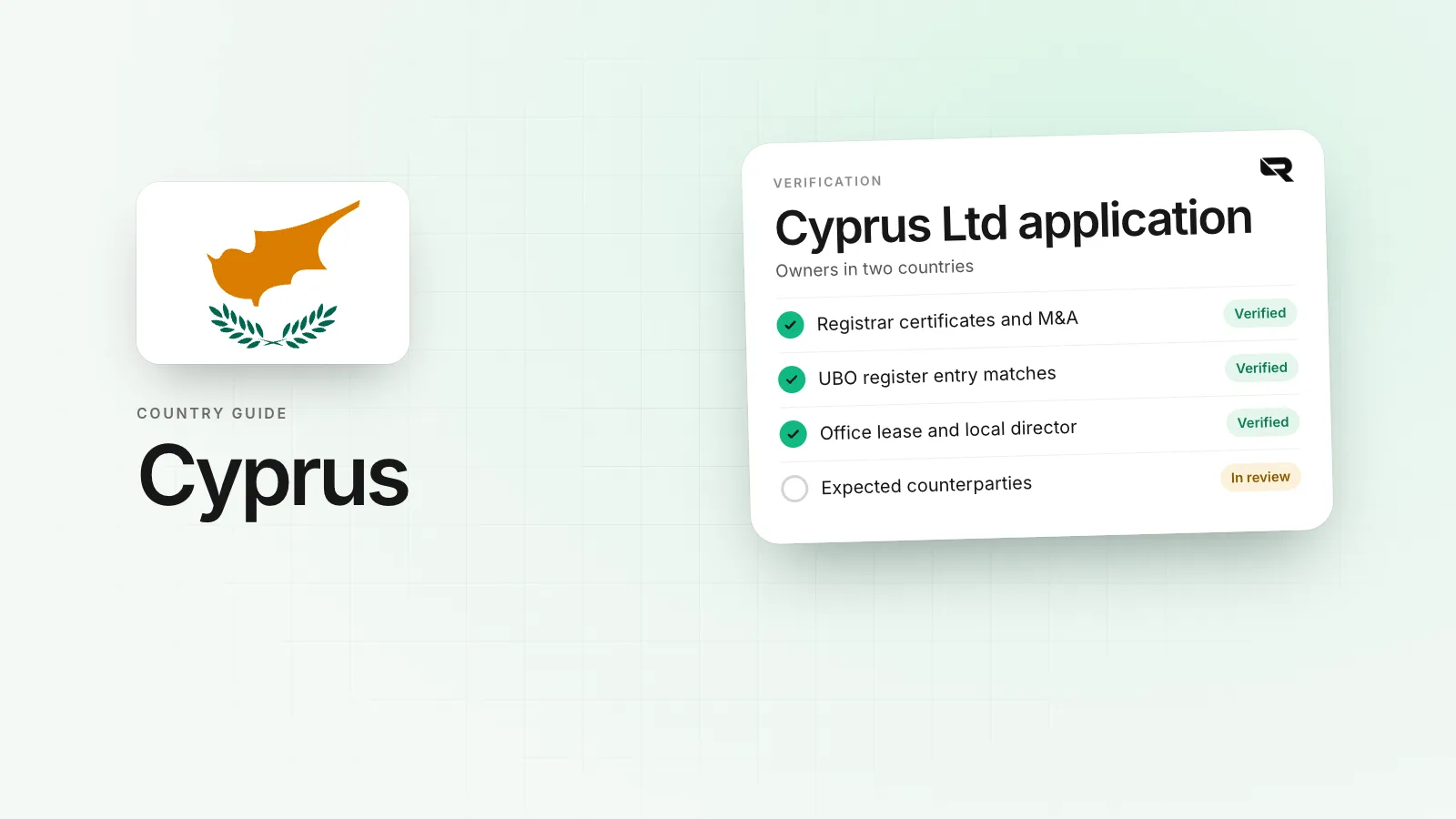
- Certificates of incorporation, directors, shareholders and registered office.
- The memorandum and articles of association.
- Confirmation of beneficial owners in the Cyprus UBO register.
- Identity and proof of address for each director and owner.
- A business description with expected clients, suppliers, countries, currencies and monthly volumes.
- Contracts or invoices supporting it, and source of funds for the capital.
Where reviews stall
Mismatches: an owner in the UBO register who is missing from the application, a business description that does not fit the expected counterparties, or payments expected from countries the description never mentions. Sanctions exposure in particular gets close attention; be precise about every country you deal with.
Paying into Cyprus: the local rail
| What | Detail |
|---|---|
| Local rail | SEPA Instant Credit Transfer |
| Run by | European Payments Council scheme, run by each bank |
| Settlement | Under ten seconds, 24/7 |
| Published fee | By the EU Instant Payments Regulation, no more than the bank charges for a standard SEPA transfer |
Source: European Payments Council: SEPA Instant Credit Transfer. Checked when this guide was last updated; the scheme's own page has the current figures.
Where Rivet fits
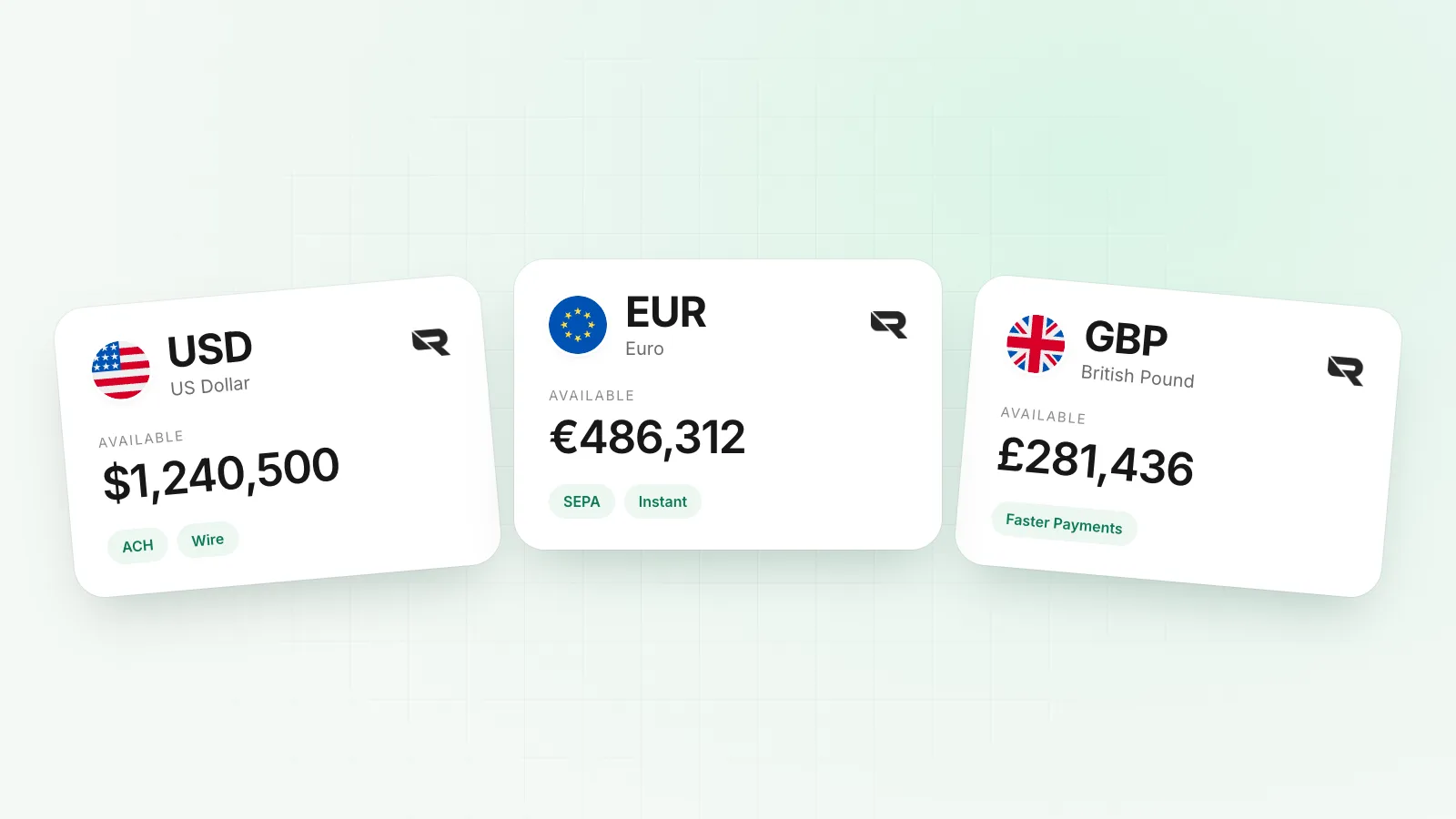
A Rivet business account accepts applications from registered companies, including Cyprus companies with international owners, with the document list shown up front and a verification decision aimed within three business days. Approved companies get US dollar details on every plan and, from the Growth plan, euro details with an IBAN and sterling details, in the company's own name. Rivet is not a bank; regulated partner institutions hold the funds and make the final approval. Rivet does not serve sanctioned persons or activity.
Questions people ask
Why is it hard to open an account for a Cyprus company?
Cypriot banks have cut their exposure to companies with no real activity on the island and to higher-risk ownership. Reviews of non-resident owned companies are detailed and can be slow.
What counts as substance in Cyprus?
An office, local employees, directors who live in Cyprus and take real decisions there, and business activity that is run from the island.
What documents are usually asked for?
Certificates of incorporation, directors, shareholders and registered office, the memorandum and articles, UBO register confirmation, identification and address for directors and owners, and evidence of the business such as contracts.
Can a Cyprus company use a payment institution instead of a bank?
Yes. Many use EU-regulated payment or e-money institutions, which apply similar checks but may serve international businesses more readily.
Sources
William covers what happens once a company starts moving money: getting the business verified, paying contractors and suppliers abroad, and keeping card spend under control. William writes for the founder or finance lead who has to make it work this week, and links every rule cited to the text it comes from.
More from William Sunjo M. →This article is general information, not legal, tax or financial advice. Rules and fees change; check the sources above and the provider’s current terms before you act on them.
- cyprus
- business account
- non-resident
- substance
- kyb
- ltd