Jordan, Morocco and Tunisia: business payments and FX rules
Jordan's dollar peg and JoFotara e-invoicing, Morocco's Office des Changes repatriation rules and euro-linked dirham, and Tunisia's non-convertible dinar and totally exporting regime: how exporters in the three countries invoice and get paid.
- Published
- Reading time
- 5 min read
Exporters in Jordan, Morocco and Tunisia invoice clients in dollars or euros and face very different rules at home. Jordan's dinar is pegged to the dollar and companies issue invoices through the JoFotara system. Morocco and Tunisia require exporters to bring proceeds home through local banks and limit accounts abroad, while letting them keep part in foreign currency.
Jump to a country: Jordan · Morocco · Tunisia
How the three countries compare
| Country | Currency | Exchange rules | Local rail | What exporters must do |
|---|---|---|---|---|
| Jordan | Dinar, pegged at 0.709 per dollar since 1995 | Gulf and US revenue converts at nearly fixed rates | CliQ instant payments, seconds, 24/7 | Issue every invoice through JoFotara, including to foreign clients |
| Morocco | Dirham, pegged to a basket of euros and dollars within a band | Office des Changes general instruction; accounts abroad generally need authorisation | Bank transfers | Repatriate within the deadline; keep a share in foreign currency or convertible dirham accounts |
| Tunisia | Dinar, not freely convertible | Banque Centrale de Tunisie exchange regulation; accounts abroad generally need authorisation | Bank transfers | Repatriate through Tunisian banks; keep a share in foreign currency or convertible dinar accounts |
Jordan: ICT exporters billing Gulf and US clients, and JoFotara invoices
Jordanian ICT exporters billing Gulf and US clients carry little exchange risk: the Central Bank of Jordan has pegged the dinar to the dollar at 0.709 since 1995, and the Saudi riyal and UAE dirham are pegged to the dollar as well. Revenue from Riyadh, Dubai or New York converts to dinars at nearly fixed rates, so the costs that matter are transfer fees and delays.
Saudi and UAE clients pay by international transfer, often in their own currencies or in dollars, usually within a few days. Agree the currency and who bears charges in the contract, and quote the client's purchase order on invoices to speed approval. US clients asked to pay a Jordanian bank send an international wire that passes through correspondent banks, can take several days and can arrive short; one Amman software house saw a New York payment land $35 light. US account details in the company's own name let American clients pay by ACH, in full. Jordan has offered tax incentives for ICT exports and for companies in development zones, with conditions, so keep contracts, invoices and payment records that show the export nature of your services.
Every invoice, including one to a client in Riyadh or New York, goes through JoFotara, the national e-invoicing system run by the Income and Sales Tax Department (ISTD). Each invoice is registered with the ISTD and carries a QR code for verification. Smaller issuers use the web portal; others connect their accounting or ERP system through the ISTD's specifications. Export invoices identify the foreign client and apply the sales tax treatment for exports. Our guide to JoFotara national e-invoicing covers the rollout phases and setup. Domestic dinar transfers settle in seconds over CliQ, run by JoPACC under the Central Bank of Jordan.
Morocco: Office des Changes rules and offshoring firms serving French clients
Moroccan exporters must repatriate export proceeds within the period set by the Office des Changes, counted from shipment for goods or completion for services, and banks track it. The rules sit in the instruction générale des opérations de change, which the Office updates periodically, generally towards more liberal rules, while Bank Al-Maghrib manages the dirham. Exporters can keep a share of proceeds in foreign currency accounts or convertible dirham accounts in Morocco and use it for permitted payments such as imported inputs, travel and services; the rest is converted to dirhams. A Tangier textile maker, for instance, keeps part of a Spanish brand's euros to pay for Turkish fabric. Moroccan residents, companies included, generally need Office des Changes authorisation to hold accounts abroad, with some liberalisation for companies with foreign operations.
Morocco's offshoring sector, from call centres to IT firms, grew on French-speaking talent, time zone proximity and incentives in designated zones and parks. Most clients are in France, with others in Belgium and Switzerland, and contracts are in euros. The dirham is pegged to a basket weighted towards the euro and moves within a band, so euro revenue carries limited rate risk against dirham payroll. The costs that matter are conversion margins and client payment terms, often 45 to 60 days with large French clients. Collections improve when invoices go out on time with the client's purchase order number, finance teams follow up before the due date, and contracts include late payment interest and the fixed recovery indemnity used in French commercial practice. See how to invoice international clients for the invoice details foreign clients expect.
Tunisia: BCT exchange rules for IT exporters and totally exporting companies
Tunisian IT exporters must repatriate export proceeds through Tunisian banks within the deadline set by the exchange regulation, which the Banque Centrale de Tunisie (BCT) administers because the dinar is not freely convertible. Exporters can keep a share of proceeds in foreign currency accounts or convertible dinar accounts and use them for permitted payments abroad, such as software, cloud services and equipment. That matters for IT companies with many foreign subscriptions. The rest is converted to dinars for salaries. Residents generally need BCT authorisation to hold accounts abroad. A revised exchange code, discussed for several years, aims to liberalise some rules, so check its status before planning.
Tunisia's totally exporting regime gives tax and customs benefits to companies that sell all or nearly all their output abroad, with local sales limited. It has attracted European manufacturers in textiles, automotive components, electrical equipment and IT services. A Bizerte wiring company selling to car parts makers in France, Germany and Italy is typical: it invoices in euros, receives payment at its Tunisian bank under the exchange regulation's provisions for such companies, and pays staff in dinars. Keep contracts and invoices consistent with the regime's conditions. The dinar has weakened against the euro over time, which has helped exporters' margins, but planning conversions ahead of payroll still matters. Large European manufacturers often pay on 60 days, so invoice on time with purchase order references and follow up before due dates. For a neighbour that floated its currency, see Egypt's IT exporters after the 2024 float.
Where Rivet fits
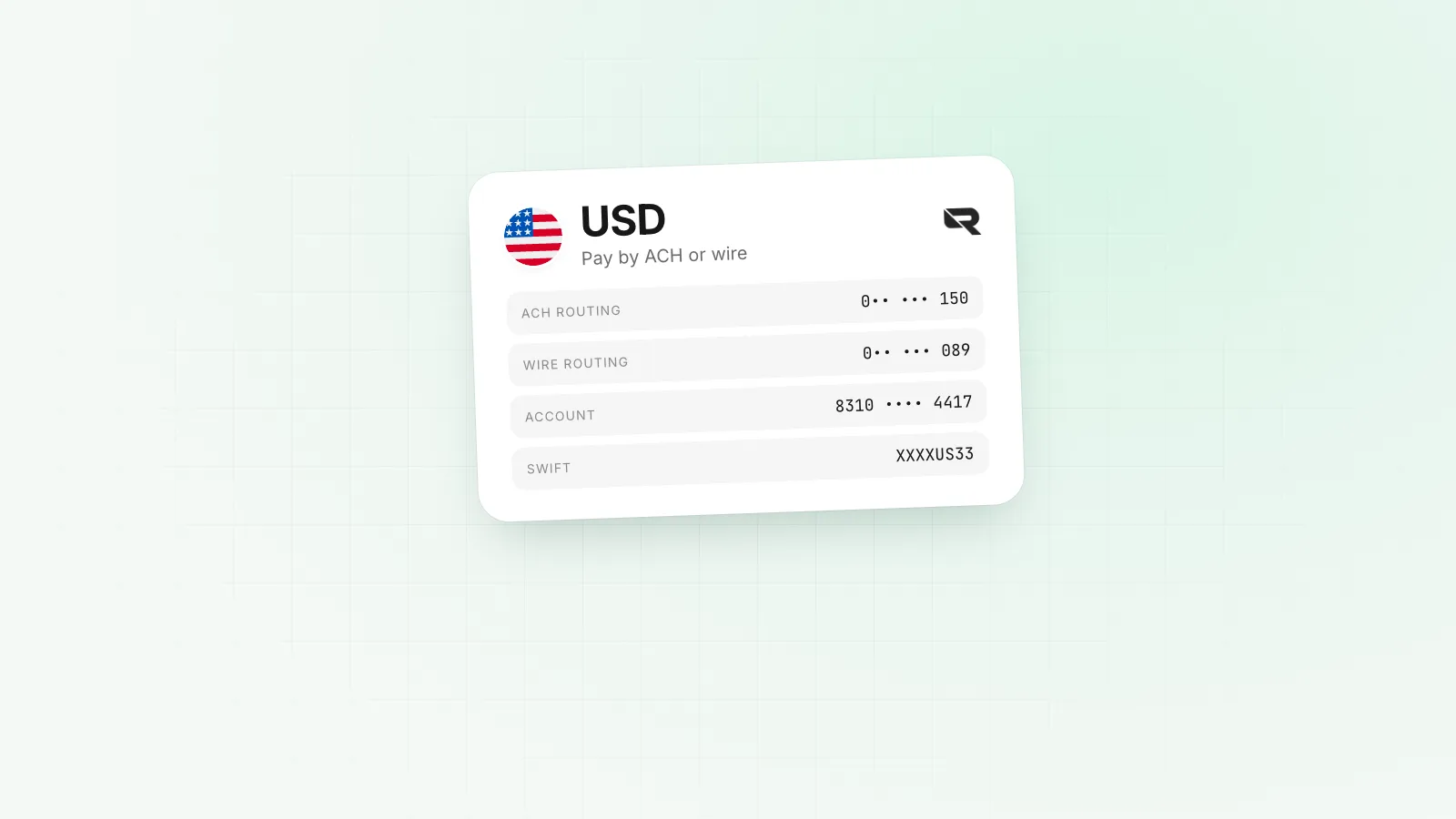
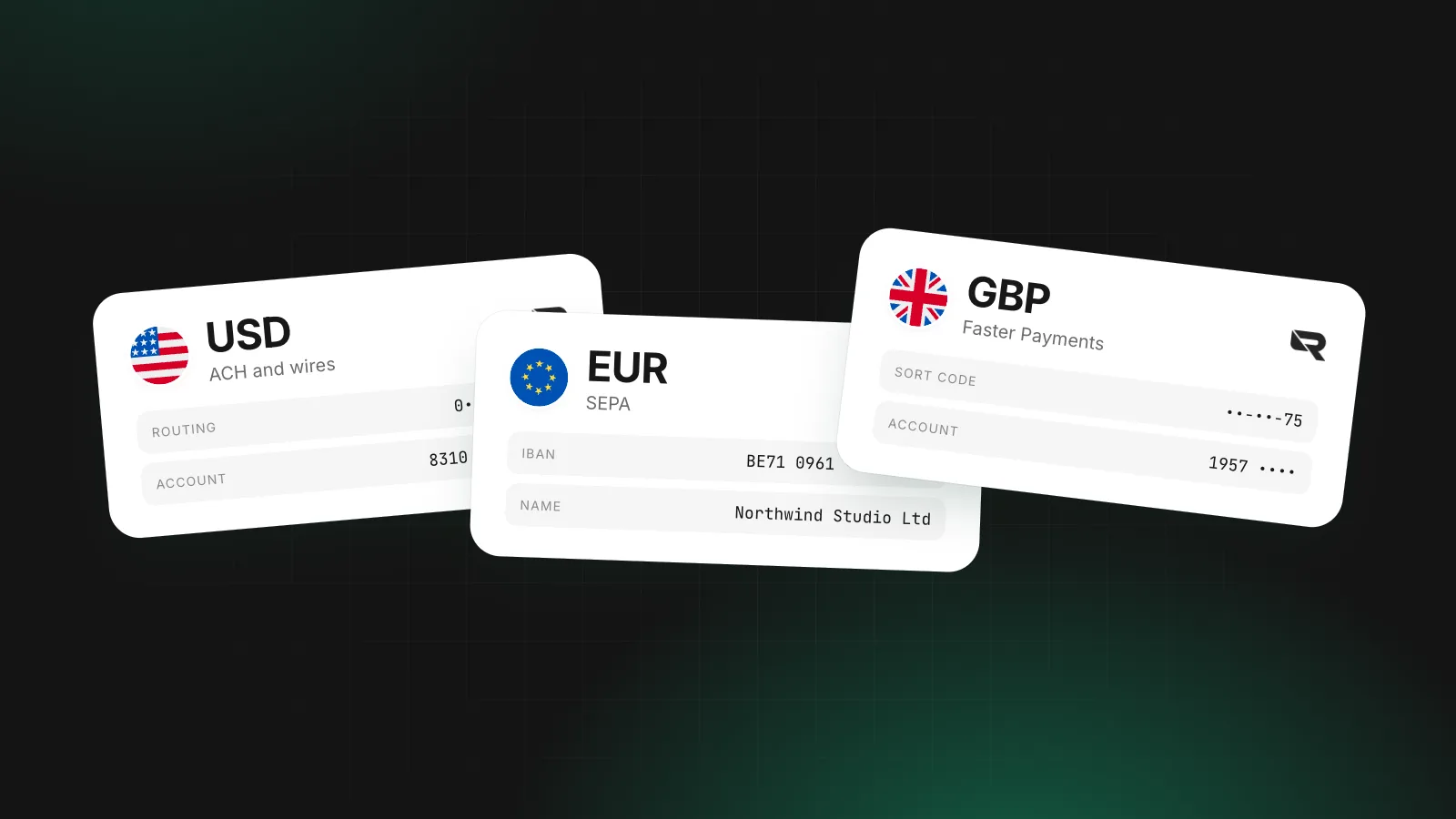
Companies registered in supported countries can apply for a Rivet business account, and availability for each country is confirmed during verification. Approved companies, subject to local rules, get US account details in their own name on every plan, so US clients pay by ACH, plus euro and sterling details from the Growth plan. Companies registered in Morocco and Tunisia must follow Office des Changes and BCT rules on proceeds and accounts abroad, so they should check with their bank first. Where available, partners abroad who bank with Rivet can pay Moroccan and Tunisian bank accounts through Rivet's payouts, and European group companies that contract with clients can use euro account details and pay suppliers in 120+ countries. Rivet is not a bank; regulated partner institutions hold the funds.
Questions people ask
Is the Jordanian dinar pegged?
Yes, the Central Bank of Jordan has pegged the dinar to the dollar at 0.709 since 1995.
What is JoFotara?
Jordan's national e-invoicing system, which the Income and Sales Tax Department introduced to register invoices electronically and reduce tax evasion. Invoices to foreign clients go through it too.
How long do Moroccan exporters have to repatriate proceeds?
The deadline is set in the Office des Changes' general instruction, counted from shipment for goods or completion for services. Check the current version.
Can Moroccan companies hold accounts abroad?
Generally only with authorisation from the Office des Changes.
Does the dirham move against the euro?
The dirham is pegged to a basket of euros and dollars and moves within a band, so movements against the euro are limited.
Can Tunisian companies hold accounts abroad?
Generally only with Central Bank authorisation, under the exchange regulation.
What is a totally exporting company in Tunisia?
A company that sells all or nearly all of its goods or services abroad, benefiting from tax and customs advantages under Tunisian investment and tax law. Local sales are limited.
Is Tunisia's exchange regulation changing?
A new exchange code has been discussed for several years to liberalise some rules. Check its status with your bank or adviser.
Sources
- 01Central Bank of Jordan
- 02Income and Sales Tax Department (Jordan)
- 03Income and Sales Tax Department (Jordan): JoFotara
- 04Int@j (Information and Communications Technology Association of Jordan)
- 05JoPACC: CliQ
- 06Office des Changes
- 07Bank Al-Maghrib
- 08AMDIE (Moroccan Investment and Export Development Agency)
- 09Banque Centrale de Tunisie: Réglementation des changes
- 10Tunisia Investment Authority
- 11FIPA Tunisia
Rashidatou writes Rivet's guides to how money moves between countries: the payment rails, what each one costs, and the account details a company needs to get paid in another currency. Every figure in Rashidatou's articles is traced to the scheme rulebook, the regulator or the provider's published price list, and those sources are listed at the end.
More from Rashidatou K. →This article is general information, not legal, tax or financial advice. Rules and fees change; check the sources above and the provider’s current terms before you act on them.
- jordan
- morocco
- tunisia
- exports
- fx-rules
- repatriation
- offshoring
- eur