Mexico, Central America and the Caribbean: business payments guide
CFDI and FEL export invoices, Panama's correspondent banking delays and territorial tax, the Dominican e-CF rollout, Jamaican BPO payroll in two currencies and Trinidad's US dollar queues: how companies in six countries get paid and pay abroad.
- Published
- Reading time
- 9 min read
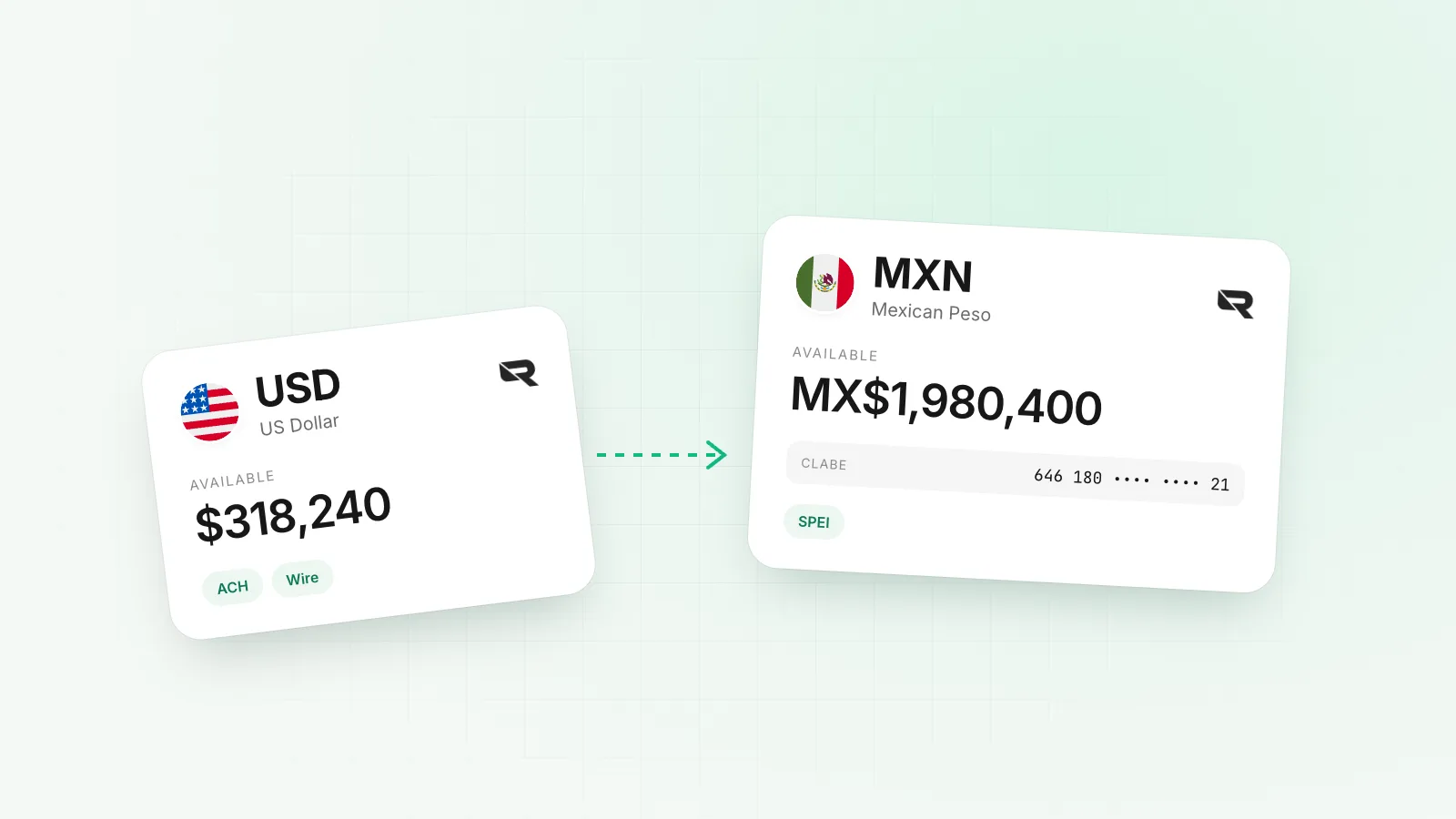
Companies in Mexico, Central America and the Caribbean earn much of their revenue in US dollars from American clients, then pay staff and suppliers locally. Mexico, Guatemala and the Dominican Republic require export invoices in national e-invoicing systems. Panama's dollar payments still cross borders, and in Trinidad and Tobago, US dollars at banks are scarce.
Jump to a country: Mexico · Guatemala · Panama · Dominican Republic · Jamaica · Trinidad and Tobago
How the six countries compare
| Country | Currency | Foreign currency position | Local rail | Invoicing rule for exports |
|---|---|---|---|---|
| Mexico | Peso, moves considerably against the dollar | Companies can hold dollar accounts in Mexico and abroad, subject to reporting | SPEI, seconds, 24/7 | CFDI 4.0 stamped by a PAC; foreign trade complement for goods |
| Guatemala | Quetzal, relatively stable against the dollar | Foreign currency accounts allowed | Bank transfers | FEL: each DTE certified before delivery |
| Panama | US dollar, legal tender since 1904 | No exchange rate; correspondent banks screen inbound wires | Bank transfers | Territorial tax: document foreign-source income |
| Dominican Republic | Peso | Dollar accounts common, especially in tourism | Bank transfers | e-CF under Law 32-23, with an export type |
| Jamaica | Jamaican dollar, floating, managed by the Bank of Jamaica | Liberalised regime; US dollar accounts common | ACH within the day; JamClear RTGS in real time | Special economic zone incentives for qualifying firms |
| Trinidad and Tobago | TT dollar, managed rate | Banks ration scarce US dollars | Bank transfers | Export earnings can pay suppliers, subject to local rules |
Mexico: CFDI invoices for foreign clients and collecting USD from US buyers
Every Mexican invoice to a foreign client must be a CFDI 4.0, mandatory since 2023: the issuer creates the XML, an authorised certification provider (PAC) validates and stamps it, and the SAT receives it. A PDF from a template without a stamped CFDI behind it is not a valid invoice for Mexican tax. For a foreign client, the CFDI carries:
- the generic foreign RFC XEXX010101000,
- the client's foreign tax ID, such as a US EIN, and country of residence,
- an export key, for example 02 for a definitive export,
- the currency and exchange rate if invoiced in dollars, normally the Banco de México rate published in the Official Gazette.
Some services exported to foreign residents are taxed at 0 percent IVA when used abroad; software development and certain technical services often qualify. Definitive exports of goods add the foreign trade complement, with tariff codes, quantities and values that must match the export declaration (pedimento). Mismatches are a common reason for SAT questions and delayed IVA refunds.
Nearshoring has made Mexico the largest trading partner of the US and added new Mexican suppliers to US supply chains. Their revenue is mostly in dollars and most costs are in pesos, and the peso can move several percent in a week. US buyers wiring dollars to a Mexican account often pay foreign wires in manual batches; with US account details in the supplier's name they pay by ACH, in full. Hold the dollars, pay dollar-priced inputs such as imported components, US freight and software from them, and convert a planned amount to pesos before each payroll. Pesos then move through SPEI, Banco de México's real-time system, around the clock.
Guatemala: FEL export invoices and BPO contact centres collecting USD
Guatemalan exporters issue every invoice through FEL (Factura Electrónica en Línea), the SAT's mandatory e-invoicing system. The issuer creates an electronic tax document (DTE), an authorised certifier validates and certifies it, and the SAT receives the data before the buyer gets a PDF with an authorisation number. The SAT has extended the obligation to all taxpayers in phases. An export DTE includes the foreign buyer's name, address and identifier, the currency, such as dollars or euros, the export classification for IVA and, for goods, data matching the customs export declaration. Exports of goods and qualifying services receive export treatment for IVA, supported by the customs declaration for goods or the contract and proof of use abroad for services.
Guatemala's BPO and contact centre sector grew on bilingual talent, Central time zone hours and lower costs than the US. Its clients are mostly American and pay in dollars, while salaries, rent, utilities and social security are paid in quetzales. A contact centre whose clients wire dollars to its Guatemalan bank waits three to five days, sometimes losing an intermediary fee. With US account details in its own name, clients pay by ACH and the full amount arrives in one to two business days. The quetzal has moved less against the dollar than many Latin American currencies, but conversion still costs a margin, so convert a planned amount before each payroll. Coffee exporters selling to Europe can take euros on details with an IBAN, so buyers pay by SEPA. For a neighbour with a different setup, see how Costa Rican companies collect dollars and pay in colones.
Panama: correspondent banking delays and territorial tax on foreign income
Panama has used the US dollar as legal tender since 1904, alongside the balboa coin, yet a payment from a US bank to a Panamanian bank is still an international wire. It travels through one or more correspondent banks, which screen each payment and can hold it when the sender, beneficiary or purpose is incomplete, when a name resembles one on a screening list, or when the pattern is unusual. The correspondent then asks the sending bank, which asks the client, which asks you. FATF removed Panama from its grey list in October 2023, but correspondents still apply their own risk assessments. To reduce holds, state the purpose on invoices and in the wire, and give clients your company's exact legal name and address as the bank holds them. US account details let a US client pay by ACH and skip the correspondent chain, usually arriving in one to two business days.
Panama's income tax is territorial: it generally applies only to Panamanian-source income. Services delivered to clients abroad, with the work and its effects outside Panama, are the clearer foreign-source cases; services to Panamanian clients or with effects in Panama are taxed. After appearing on EU tax lists, Panama added economic substance rules for certain entities' foreign-source passive income, such as dividends, interest and royalties. For each client keep the contract showing where the service is delivered, invoices with the client's foreign details, and payment records. Banks and their correspondents ask the same questions about sources of funds, and those documents answer both.
Dominican Republic: e-CF invoicing and tourism businesses collecting USD
Law 32-23 makes electronic fiscal receipts (comprobantes fiscales electrónicos, e-CF) mandatory in the Dominican Republic, replacing printed NCF sequences. The DGII phased it in by size: large taxpayers first, medium next, and small and micro businesses in the final phase in 2026. An e-CF is an XML document in the DGII's format, signed with a digital certificate and validated, which then carries a security code and can be sent as a PDF with a QR code. Companies issue them through their own certified system, an authorised provider or, for smaller taxpayers, the DGII's free invoicing tool. Exporters use the e-CF type for exports, which can be in dollars; exports are generally zero-rated for ITBIS, backed by customs export records. To prepare, confirm your phase, choose how you will issue, obtain the digital certificate and test the export type before your next export invoice.
e-CF changes invoices, not payments. Dominican hotels and excursion companies are paid under contracts by foreign tour operators: US operators usually in dollars, Canadian operators in Canadian or US dollars, European operators in euros or dollars. Dollar accounts are normal in Dominican tourism. Transfers pass through correspondent banks and can arrive late or short; US account details let US operators pay by ACH, and euro details let European operators pay by SEPA. Staff, fuel and food are paid in pesos, so convert a planned amount ahead of payroll and set aside part of high-season receipts for quieter months.
Jamaica: BPO companies and food and coffee exporters collecting US dollars
Jamaican BPO companies invoice US clients in US dollars and pay agents in Jamaican dollars, which float under the Bank of Jamaica's management. The sector grew on English-speaking talent, US-friendly hours and special economic zone incentives, including a reduced corporate tax rate, subject to conditions. International wires to a Jamaican bank often take three to six days, while payroll dates are fixed; a late client wire can push a contact centre onto its overdraft. US account details in the company's own name let clients pay by ACH in one to two business days. Jamaica has a liberalised foreign exchange regime and US dollar accounts are common, so hold dollars and convert a planned amount a few days before each payroll.
Jamaican food exporters sell to the US, the UK and Canada, and Blue Mountain coffee has long had a strong market in Japan. Buyers usually pay in their own currency: US distributors in dollars on 30 to 60-day terms, UK importers in pounds, often on 60 days, Japanese buyers in yen or dollars, sometimes under letters of credit, and Canadian buyers in Canadian or US dollars. Small exporters can protect cash with 30 to 50 percent deposits from new buyers, cash against documents, a letter of credit for large orders and credit limits per buyer. Food shipments need the commercial invoice, packing list, transport document, certificate of origin and any sanitary or phytosanitary certificates. Holding pounds and dollars lets exporters pay packaging, freight and trade fairs in those currencies.
Trinidad and Tobago: US dollar shortages and energy services billing abroad
Trinidad and Tobago companies can wait weeks for US dollars because the country's foreign exchange comes largely from oil and gas, and supply at banks has not kept up with importers' demand at a managed rate that moves slowly. Each bank allocates its available dollars among customers. The Central Bank intervenes with sales to banks and has at times made allocations for priority uses such as food and medicine, but queues have lasted for years. For importers, three weeks is a normal wait, payments slip, suppliers move to cash in advance, and some companies pay premiums for dollars. What helps:
- File forex requests as soon as orders are confirmed.
- Bank with more than one bank.
- Tell suppliers when payment is likely.
- Earn dollars from foreign clients.
Energy services firms show the last point. Trinidad's engineering, inspection, logistics and maintenance companies now work for clients in Guyana, Suriname and the US, usually paid in US dollars. Delays with large operators usually come from the invoice: quote the purchase order and line items exactly, attach the approved service entry sheet or timesheet, and use the client's portal or accounts payable address. A Houston contractor can pay by ACH to US details; operators in Guyana and Suriname usually pay by international wire. Dollars earned abroad can pay foreign suppliers, equipment rental and specialist staff directly, subject to local rules, instead of joining the queue. Check reporting and repatriation requirements with your bank.
Where Rivet fits
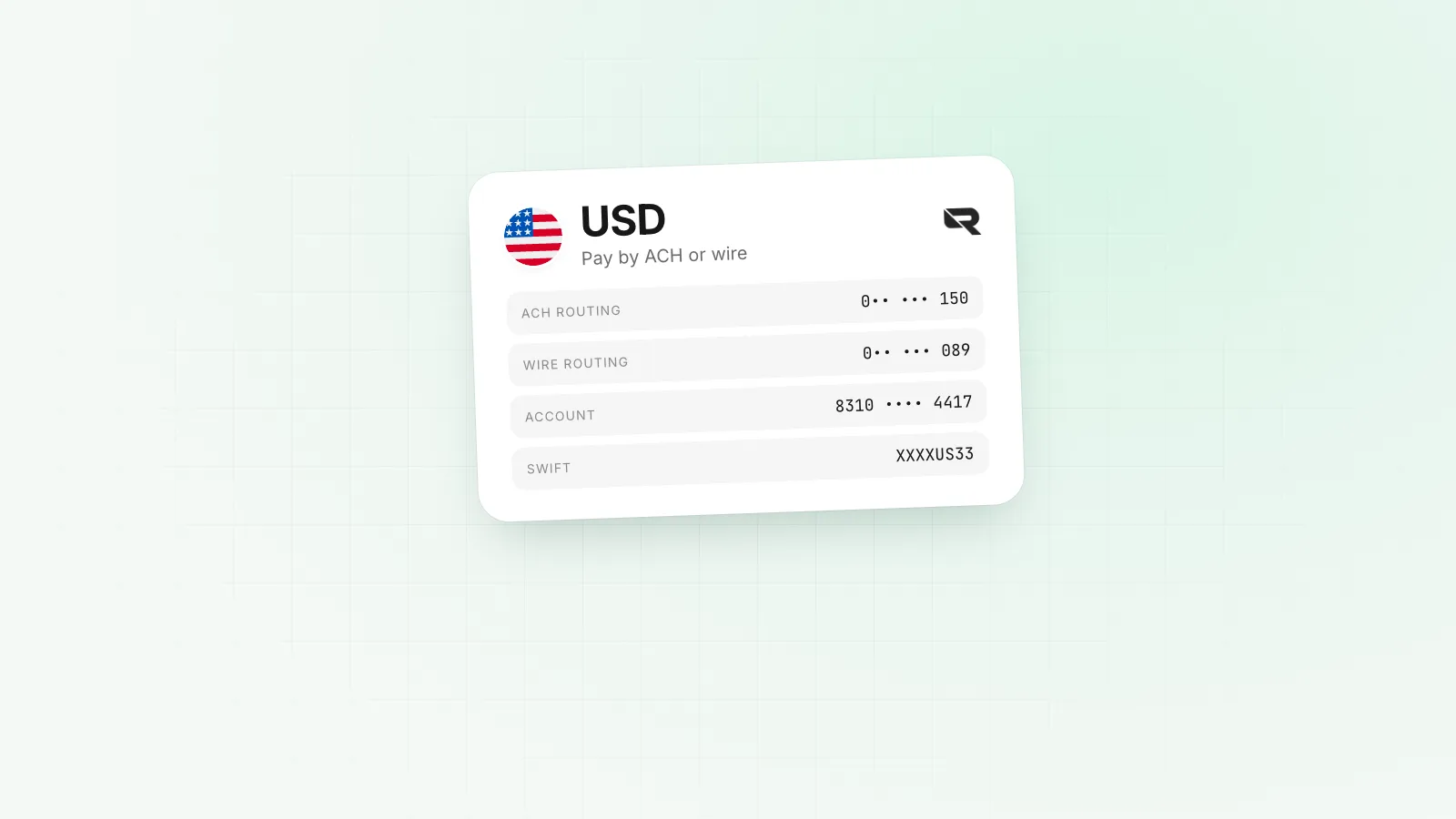
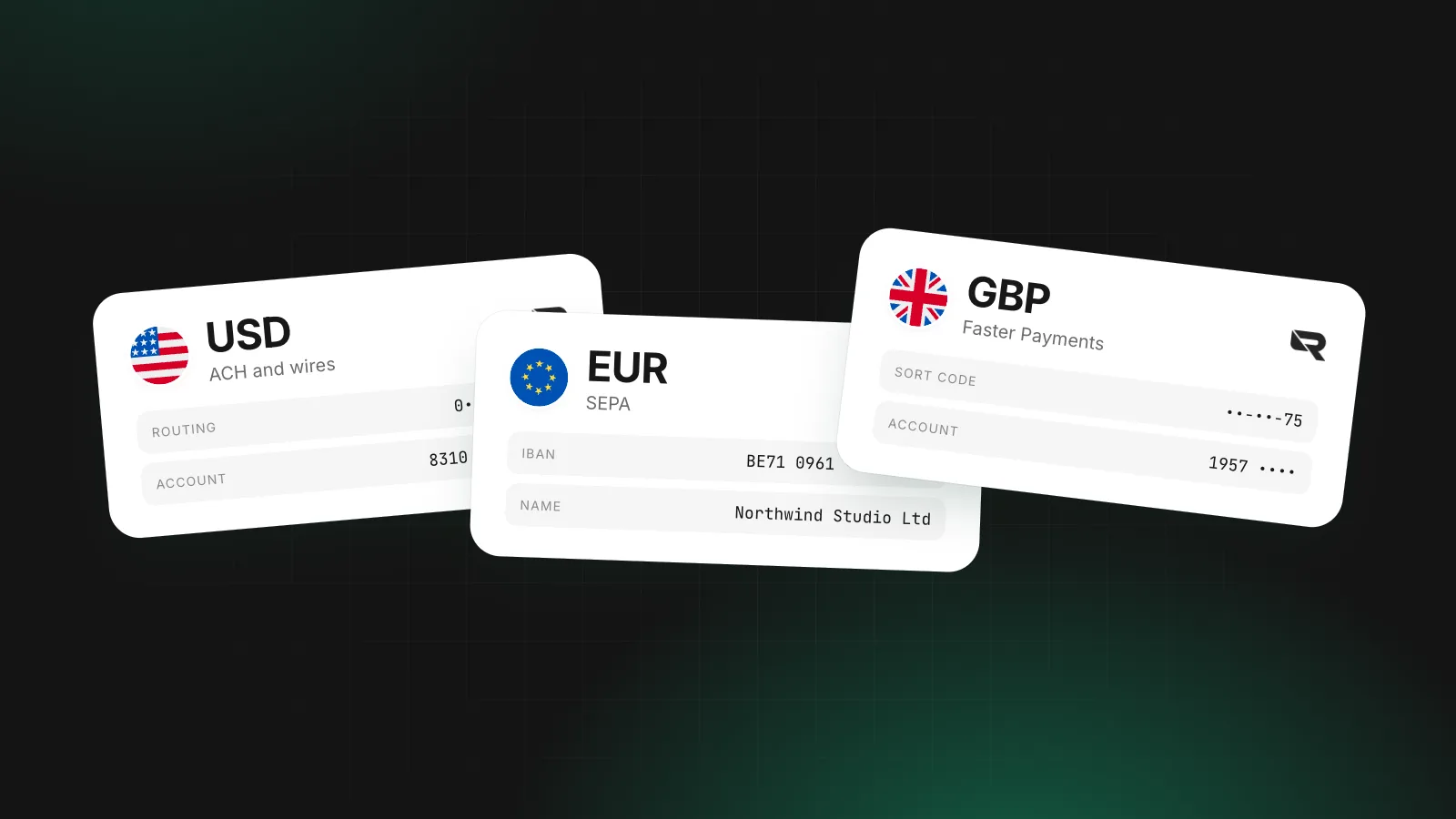
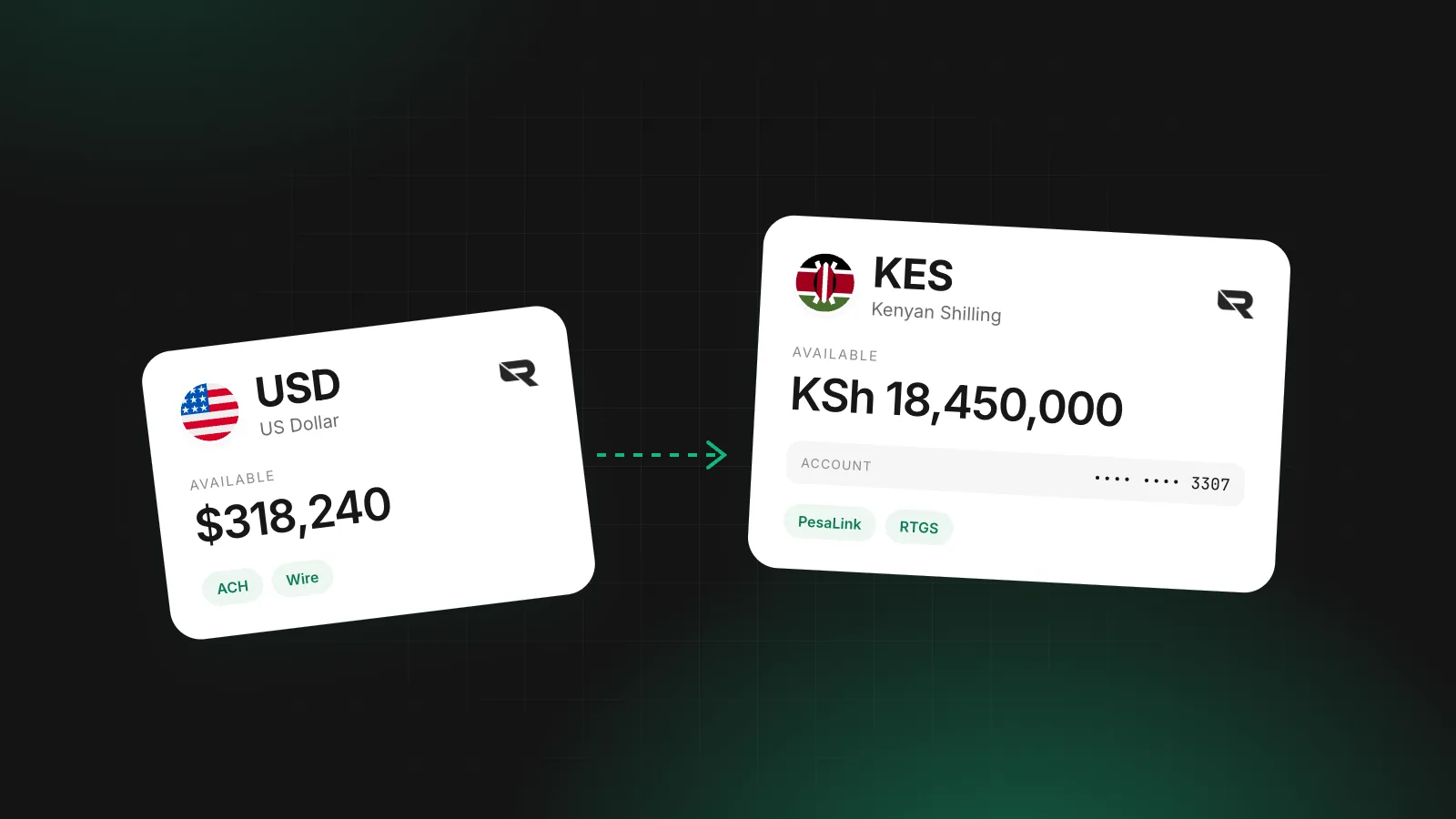
Companies registered in supported countries can apply for a Rivet business account, and availability for each country is confirmed during verification. Local rules still apply. Approved companies get US account details in their own name on every plan, so American clients pay by ACH, plus euro and sterling details from the Growth plan, and they can hold dollars and pay suppliers in 120+ countries. Payments are matched to invoices, which keeps export records together. Rivet does not supply foreign exchange from the Trinidad and Tobago market, and it does not issue CFDI, FEL or e-CF invoices. See account details in your company's name. Rivet is not a bank; regulated partner institutions hold the funds.
Questions people ask
What RFC goes on a CFDI to a foreign client?
The generic foreign RFC XEXX010101000, together with the client's foreign tax identification number and country of residence.
Can a CFDI be issued in dollars?
Yes. The currency and exchange rate are stated on the CFDI, using the rate published by Banco de México in the Official Gazette.
What is a FEL certifier in Guatemala?
A company authorised by the SAT to validate and certify electronic tax documents before they are delivered to the buyer.
Why are wires to Panama slow if Panama uses the dollar?
Because the payment still crosses borders. It goes from the US bank to a correspondent and then to the Panamanian bank, and each step can hold it for checks.
Does Panama tax foreign income?
Panama's income tax is territorial: it generally applies only to income from Panamanian sources. Income from activities carried out abroad is generally outside it, though substance rules apply to some foreign-source passive income.
When must a Dominican company use e-CF?
It depends on your size classification under Law 32-23 and DGII rules. Large taxpayers came first, medium next, and small and micro businesses in the final phase in 2026.
Can Jamaican companies hold US dollars?
Yes. Jamaica has a liberalised foreign exchange regime, and US dollar accounts are common.
Why is there a US dollar shortage in Trinidad and Tobago?
The country earns most of its foreign exchange from energy exports. When those earnings fell, demand for US dollars outstripped supply at the managed exchange rate.
Sources
- 01SAT: Factura electrónica (CFDI)
- 02SAT: Complemento de comercio exterior
- 03Banco de México: Tipo de cambio FIX
- 04Banco de México: SPEI
- 05US Census Bureau: Trade in goods with Mexico
- 06SAT Guatemala: Factura Electrónica en Línea (FEL)
- 07Banco de Guatemala
- 08AGEXPORT: Contact center and BPO
- 09Superintendencia de Bancos de Panamá
- 10FATF: Jurisdictions under increased monitoring
- 11DGI Panamá (Dirección General de Ingresos)
- 12Council of the EU: EU list of non-cooperative jurisdictions
- 13DGII: Facturación electrónica
- 14Ministerio de Turismo de la República Dominicana
- 15Bank of Jamaica
- 16Jamaica Special Economic Zone Authority
- 17Coffee Industry Board of Jamaica
- 18Central Bank of Trinidad and Tobago
- 19Energy Chamber of Trinidad and Tobago
- 20Nacha: What is ACH?
William covers what happens once a company starts moving money: getting the business verified, paying contractors and suppliers abroad, and keeping card spend under control. William writes for the founder or finance lead who has to make it work this week, and links every rule cited to the text it comes from.
More from William Sunjo M. →This article is general information, not legal, tax or financial advice. Rules and fees change; check the sources above and the provider’s current terms before you act on them.
- latin-america
- caribbean
- mexico
- usd
- e-invoicing
- bpo
- exports
- nearshoring