How to receive international payments as a business
A client abroad wants to pay you. There are four ways that money can reach you, and the one you offer decides how much of it arrives and how fast.
- Published
- Updated
- Reading time
- 2 min read

Getting paid by a client in another country should be the easy part of the deal. It often is not. The invoice says 10,000 USD, 9,955 USD arrives four days later, converted into your local currency at a rate you never saw. How the money travels decides most of that.
What are the ways to receive money from abroad?
There are four, and most businesses end up offering two of them.
| Method | Client pays with | Typical speed | Who carries the cost |
|---|---|---|---|
| Local account details | A domestic transfer (ACH, SEPA, Faster Payments) | Same day to 2 days | Low for both sides |
| SWIFT wire | An international wire | 1 to 5 days | Payer, receiver, and intermediary banks |
| Card or platform | Card, PayPal, a marketplace | Instant to the platform, then a payout | Mostly you, as a percentage |
| Stablecoin | USDC or USDT | Minutes | Network fee plus conversion |
Local account details: the cheapest route
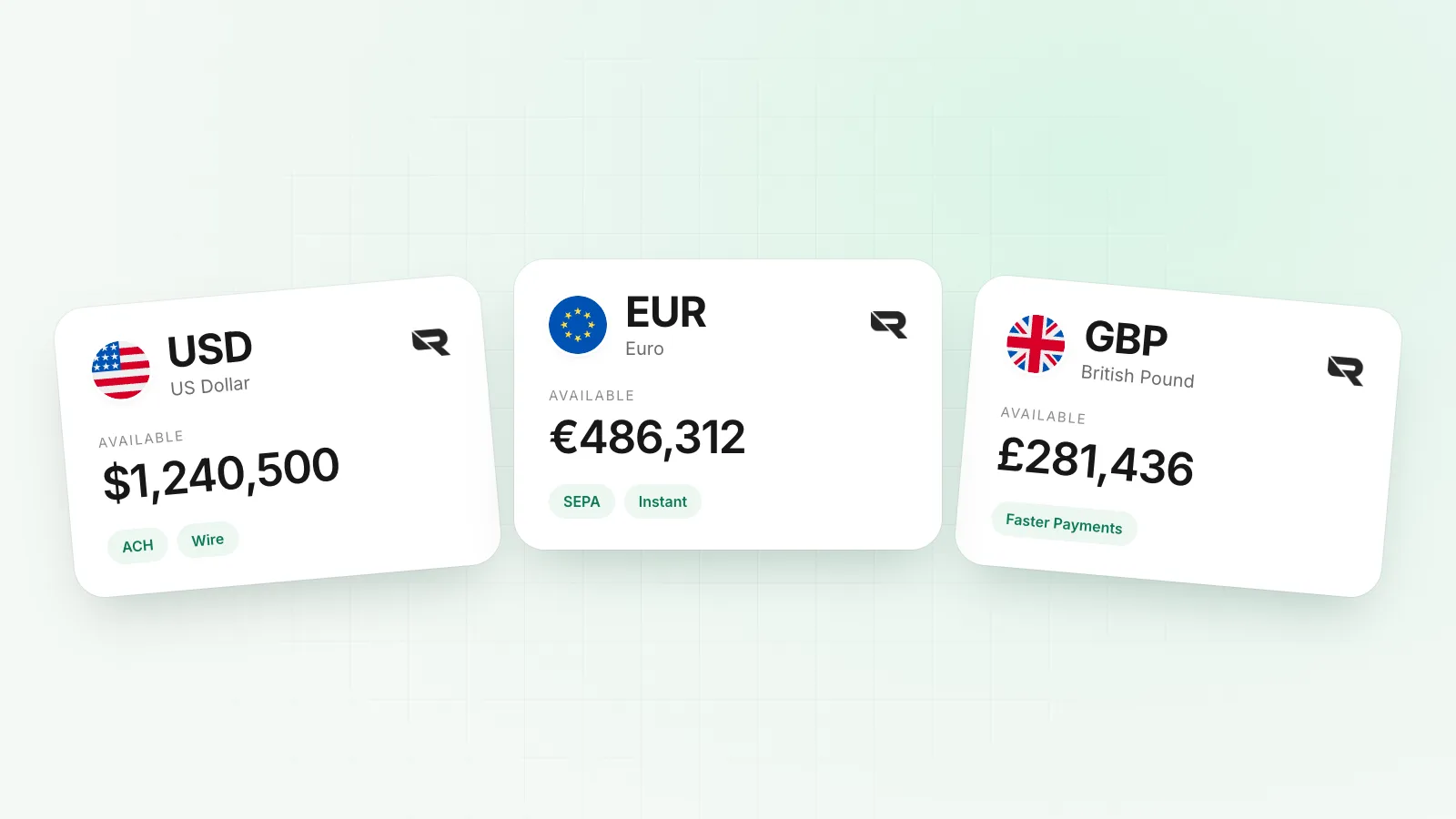
If you can give a US client USD details with a routing number and account number, they pay you like any US supplier, by ACH or domestic wire. An EU client pays EUR details by SEPA. A UK client pays GBP details by Faster Payments. Nothing crosses a border from the client's side, so no intermediary bank touches the payment.
This is what a multi-currency business account gives you. The guide to SWIFT, SEPA, ACH and Faster Payments explains each rail.
SWIFT: reaches everything, costs the most to trace
A SWIFT wire can reach almost any bank in the world. The payment may pass through one or more correspondent banks, and each can take a fee. The sender picks a charge option:
- OUR: the sender pays all fees, and you should receive the full amount.
- SHA: fees are shared, and intermediaries may deduct from the amount.
- BEN: you pay all fees.
Swift's gpi tracking lets banks follow a payment end to end, so ask your client for the UETR (the tracking reference) if a payment is late.
Card and platform payments
Cards, PayPal and marketplaces are easy for the client and expensive for you, usually a percentage of every payment plus a fixed fee. They suit small, one-off payments. For a 10,000 USD invoice, a 3% card fee is 300 USD, which is why B2B clients normally pay by bank.
Stablecoins
Some clients, especially in tech and crypto, can pay in USDC or USDT. It settles in minutes, any day. You then hold it or convert to bank money. See stablecoin payments for business.
Keep the currency you were paid in
The other half of receiving well is not converting on arrival. A foreign currency account holds USD as USD. You convert when you need local money, at a rate you can see, and you pay USD costs straight from the USD balance.
How to set it up
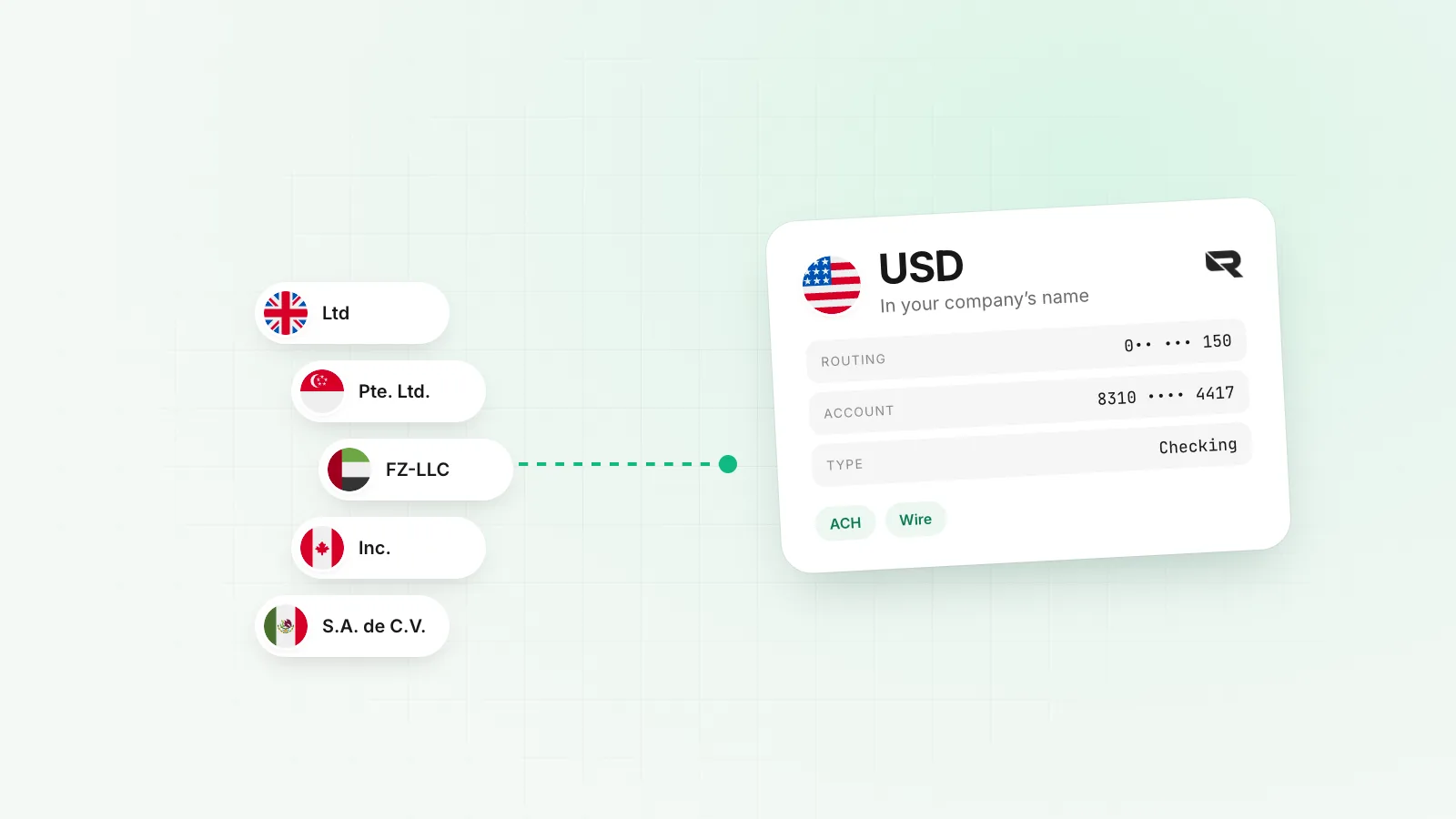
- Open a business account that issues details in your company's name in the currencies your clients use.
- Put those details on your invoices, with the currency stated.
- Keep SWIFT details as a fallback for clients whose banks cannot send domestically.
- Reconcile each payment against its invoice.
Rivet issues USD details in your company's name on the free Starter plan, and EUR and GBP details from Growth. Bank accounts shows what each set includes, and receiving USD from US clients covers US clients in detail.
Questions people ask
What is the best way to receive international payments?
For regular B2B clients, give them local account details in their own currency: ACH or wire details for US clients, SEPA details for EU clients, Faster Payments details for UK clients. They pay a domestic transfer, and you receive the full amount in that currency.
What is the benefit of a foreign currency account?
You receive in the client's currency and choose when to convert, instead of the receiving bank converting on arrival at its own rate. You can also pay costs in that currency, such as software, ads or suppliers, without converting twice.
How do I create a dollar account for my business?
Open a business account with a provider that issues USD account details in your company's name. You will need your company documents and ID for each owner of 25% or more. Once approved, the details work like any US account for ACH and wire payments.
Why did I receive less than the client sent?
On a SWIFT wire, intermediary banks can deduct fees as the payment passes through, and your bank may charge a receiving fee. If the payment was converted on the way, the rate may also include a margin. Ask clients to send in the invoice currency, with OUR charges if they agree, or use local details instead.
Sources
Rashidatou writes Rivet's guides to how money moves between countries: the payment rails, what each one costs, and the account details a company needs to get paid in another currency. Every figure in Rashidatou's articles is traced to the scheme rulebook, the regulator or the provider's published price list, and those sources are listed at the end.
More from Rashidatou K. →This article is general information, not legal, tax or financial advice. Rules and fees change; check the sources above and the provider’s current terms before you act on them.
- receive international payments
- receive money from abroad
- foreign currency account
- dollar account
- local account details