Turkey, the Caucasus and Central Asia: business payments
Turkey, Kazakhstan and Uzbekistan make exporters bring proceeds home within a deadline. Georgia and Armenia let companies hold dollars freely. IT incentive regimes, contract registration and how foreign clients pay, compared across five countries.
- Published
- Reading time
- 8 min read
Companies in Turkey, the Caucasus and Central Asia sell abroad under very different currency rules. Turkish, Kazakh and Uzbek exporters must bring proceeds home within a deadline, and Kazakh and Uzbek banks track each export contract. Georgia and Armenia let companies hold dollars freely. In all five, US clients paying by international wire is the slow part.
Jump to a country: Turkey · Georgia · Armenia · Kazakhstan · Uzbekistan
The five countries at a glance
| Country | Currency | Currency rule for exporters | Domestic rail | What an exporter has to do |
|---|---|---|---|---|
| Turkey | Turkish lira (TRY) | Proceeds into Türkiye through Turkish banks, generally within 180 days; a share may have to be sold to the central bank | FAST, run by the central bank, in seconds, 24/7 | Keep the export declaration, invoice and the bank's İBKB certificate for each shipment |
| Georgia | Georgian lari (GEL) | No currency controls on business receipts | Domestic bank transfers | Virtual Zone companies keep proof that each client is outside Georgia |
| Armenia | Armenian dram (AMD) | Liberal regime for business receipts | Domestic bank transfers | Decide when to convert dollars to drams; Form W-8BEN-E for US clients |
| Kazakhstan | Kazakh tenge (KZT) | Contracts above a threshold registered with an authorised bank; proceeds repatriated within the term | Instant payments over the National Payment System, in seconds, 24/7 | Register contracts and keep acts of services rendered with each one |
| Uzbekistan | Uzbek soum (UZS) | Contracts recorded in the electronic foreign trade system; proceeds within the repatriation period | Domestic bank transfers | Agree payment terms that fit the repatriation deadline |
Turkey: export proceeds rules, 180-day repatriation and the İBKB
Turkish exporters must bring export proceeds into Türkiye through Turkish banks, generally within 180 days of the export date, under the Decision on the Protection of the Value of Turkish Currency (Decision No. 32) and related communiqués. Some cases have different periods. When the proceeds arrive, the bank issues an export proceeds certificate, the İhracat Bedeli Kabul Belgesi (İBKB). Missing the deadline can lead to penalties, so exporters track open receivables against it, and proceeds cannot be kept abroad beyond the period without a specific exception.
Since 2022, to support the lira and central bank reserves, exporters have also had to sell a share of foreign currency proceeds to the central bank through their banks. The share started at 25 percent, rose to 40 percent, was later set at 35 percent for a period and has been revised since, so ask your bank which share applies to proceeds you receive today. The remainder can be held in foreign currency accounts in Türkiye.
In practice: euro or dollar proceeds arrive at a Turkish bank within the period, part may be converted to lira under the current rule, and the rest stays in foreign currency. Keep the export declaration, invoice and İBKB together for each shipment, because auditors and banks check them against each other. At home, the central bank's FAST system settles lira transfers in seconds, around the clock. Studios selling through app stores have their own questions about platform payouts and the lira; see Turkish game and software studios selling worldwide.
Georgia: Virtual Zone IT companies and importers paying in USD, CNY and TRY
Georgia has no currency controls on business receipts. Companies receive dollars and euros freely, hold them in foreign currency accounts and convert to lari when they choose. Two kinds of company feel this differently.
IT companies with Virtual Zone status, granted by the Ministry of Finance to Georgian legal entities (typically an LLC, not an individual entrepreneur), pay no Georgian profit tax on profit from qualifying IT products and services supplied to persons outside Georgia. Those supplies are generally treated as outside Georgian VAT, payroll taxes still apply, and dividends paid to individuals generally remain subject to dividend withholding tax. Services to Georgian clients are taxed normally, so the exemption rests on records: contracts that identify the foreign client and its address, invoices to that client, and payments arriving from abroad. A payment from a Georgian intermediary for a foreign end client can raise questions. Many Virtual Zone companies peg salaries partly to dollars, so holding dollars until payroll avoids converting twice.
Importers have the opposite exposure. They usually pay Chinese suppliers in dollars or yuan, Turkish suppliers in euros, dollars or lira, and EU suppliers in euros, while selling in lari. Compare each price after your cost of buying that currency. Georgia's free trade agreements with the EU (the DCFTA), China and Türkiye cut duty only when goods meet origin rules and carry the right certificate, so ask for it before shipment. Buy dollars ahead for confirmed orders when the rate is acceptable, and check any "updated bank details" by phone with a known contact before paying. More in the best way to pay international suppliers.
Armenia: IT companies billing US clients and managing the dram
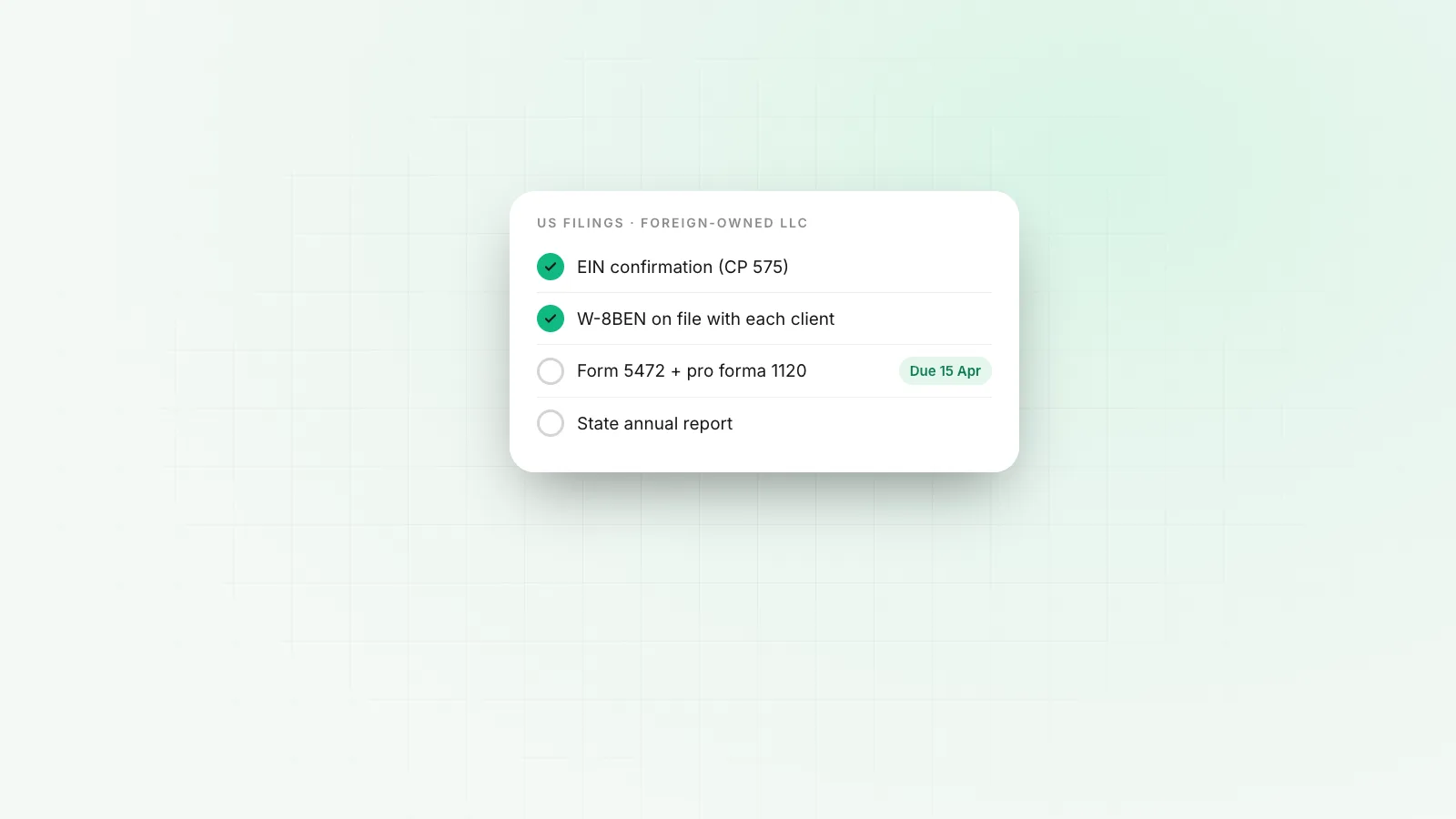
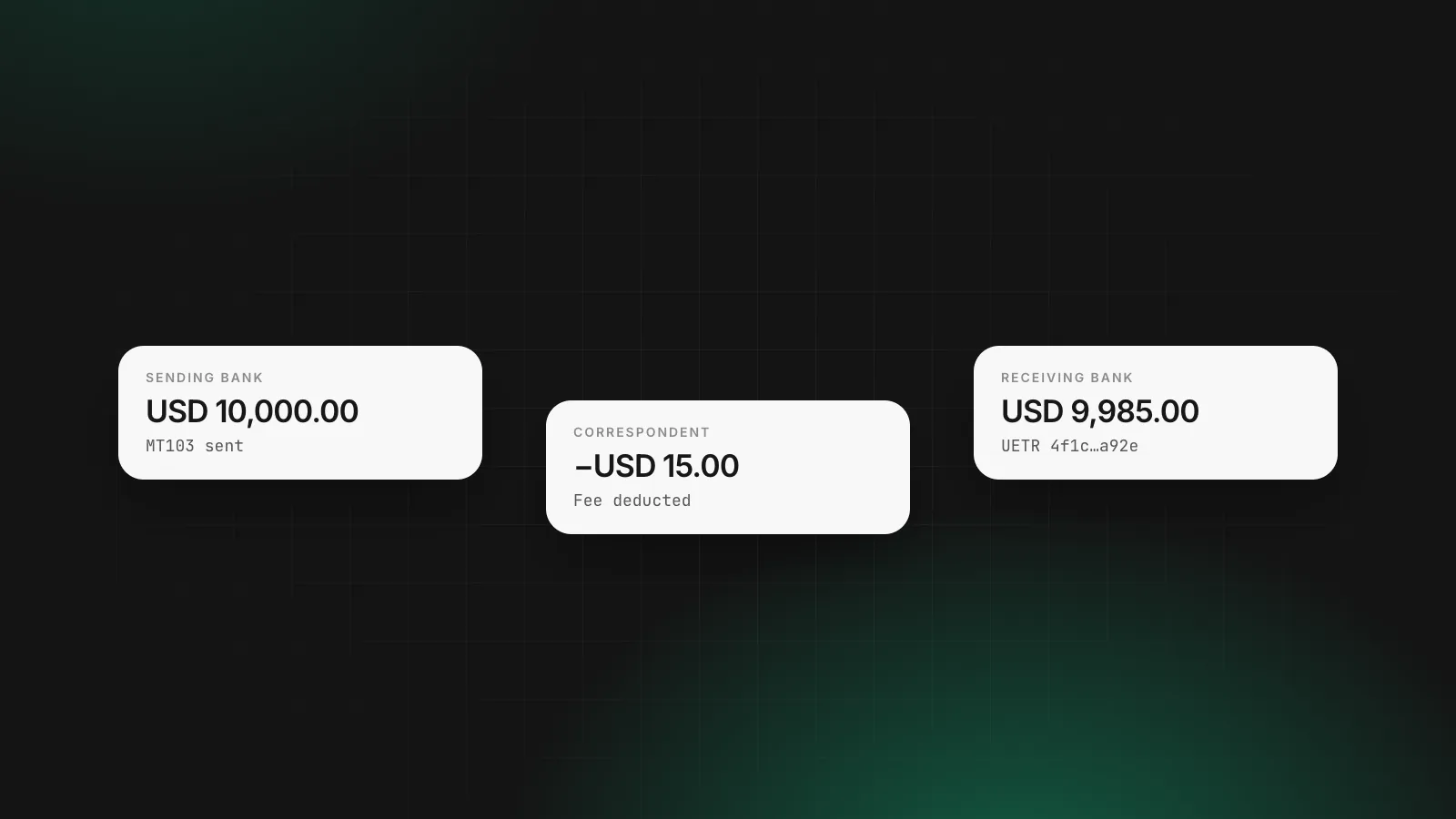
Armenian IT companies invoice most foreign clients in dollars, and Armenia has a liberal currency regime for business receipts (check reporting rules for large transactions with your bank). The slow part is the rail. A wire from a US bank to an Armenian bank usually travels through one or more correspondent banks, each of which can hold it for compliance checks or deduct a fee, and many US accounts payable teams approve international wires by hand. US account details in the company's own name let a client pay by ACH like any US vendor, in full, usually in one to two business days. A new US client will ask for Form W-8BEN-E first; for services performed in Armenia, payments are generally made without US withholding.
Currency is the second problem. Salaries in the sector are often benchmarked in dollars and paid in drams, and the dram appreciated sharply against the dollar in 2022 and 2023 as people, businesses and money moved into Armenia. Companies earning dollars and paying dram costs lost margin without losing a client. Armenian rules generally require payments within Armenia in drams, with exceptions.
Manage it in three steps. Split twelve months of revenue and costs by currency and apply a 10 percent move to net dollar exposure. Pay cloud services, licences, equipment and foreign contractors straight from dollar and euro revenue. Convert a planned amount into drams ahead of each payroll instead of converting each receipt. Say in employment contracts whether salaries are fixed in drams or benchmarked in dollars. Forwards suit large, predictable dram needs; see foreign exchange risk for small businesses.
Kazakhstan: currency control, export contract registration and Astana Hub
Kazakhstan's currency control rules require residents to register export and import contracts above a threshold set by the National Bank with an authorised bank. Under the Law on Currency Regulation and Currency Control and the National Bank's rules, the bank assigns the contract an account number (учетный номер) and follows each payment against it. Proceeds must come back to Kazakhstan within the repatriation term, which is based on the contract's payment terms and the rules, and unresolved repatriation can lead to penalties. Check the current threshold with your bank before signing a large contract, and check before holding any funds abroad.
Kazakh companies can hold foreign currency in accounts at Kazakh banks and convert to tenge when needed. The rate has moved considerably at times, so converting a planned amount ahead of payroll gives more control than converting every receipt. For each registered contract, keep the contract, invoices, acts of services rendered and payment records, since banks and the tax authority use them. Domestic tenge transfers settle in seconds, around the clock, over the National Payment Corporation's instant payment system.
Astana Hub, the international technology park, gives participants exemption from corporate income tax on income from qualifying IT activities, exemptions from VAT on certain supplies and from some social and property taxes, and simplified visa and work permit rules for foreign staff. Participants must carry out activities on the approved list and meet the participation conditions. Other income, such as hardware resale or unrelated consulting, is taxed normally, so separate the revenue streams in contracts and accounts. Participants still receive foreign revenue through Kazakh banks under the same contract registration and repatriation rules.
Uzbekistan: IT Park residents and textile exporters collecting from buyers
Uzbekistan liberalised its currency market in 2017. Companies can hold foreign currency accounts at Uzbek banks and convert to soum at market rates, but foreign trade contracts are recorded in the electronic information system for foreign trade operations, which tracks payments and deliveries, and export proceeds must arrive within the period set by law and the contract. Ask your bank for the current rule.
IT Park residents pay reduced taxes on qualifying IT work, including exemptions from several taxes and a reduced personal income tax rate for employees, and in many cases can be resident without an office in the park. They usually invoice foreign clients in dollars or euros, with export treatment for VAT where it applies. Wires from US and European clients pass through correspondent banks that can add days, so agree who pays charges and send the invoice number with each payment request.
Textile exporters have moved from raw cotton to yarn, fabric and garments sold to Europe, Türkiye and Central Asian neighbours. Uzbekistan's GSP+ status with the EU removes or reduces duty on many textiles when origin rules are met and the certificate travels with the goods. New buyers usually pay 20 to 30 percent in advance and the balance against documents or on short terms after arrival, letters of credit cover large first orders, and each buyer gets a credit limit. Buyers expect a commercial invoice, packing list, transport document, certificate of origin and quality certificates. A buyer asking for 60-day terms has to be weighed against the repatriation deadline the bank watches. See letter of credit explained.
Where Rivet fits
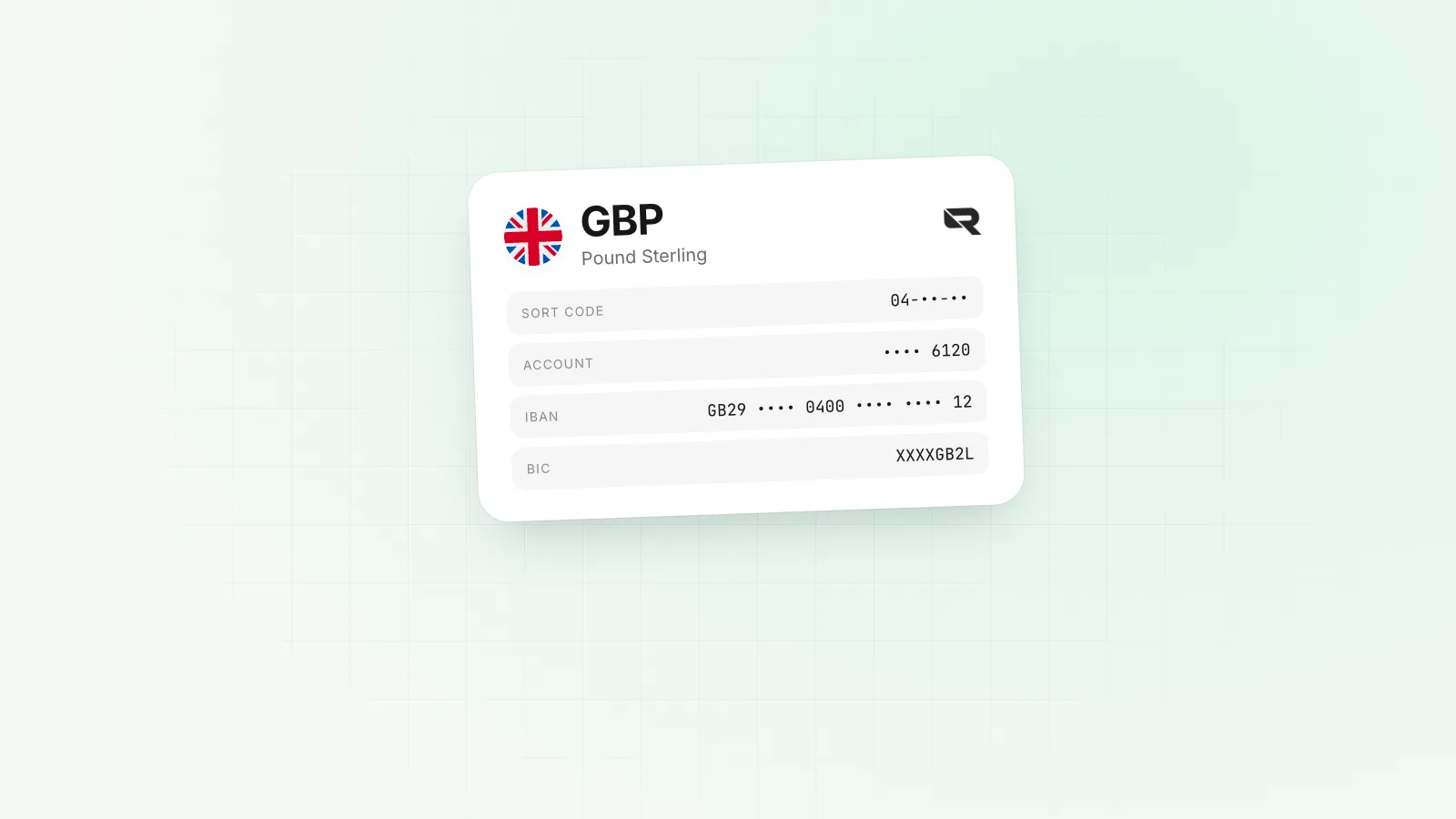
Companies registered in supported countries can apply for a Rivet business account, and availability for each country is confirmed during verification. Approved companies get US account details in their own name on every plan, so US clients pay by ACH, and euro details with an IBAN plus sterling details from the Growth plan. Dollars can be held, used to pay suppliers and contractors in 120+ countries, or converted at a rate shown before you confirm, and from Growth a second approver can be required on payouts.
Companies registered in Turkey, Kazakhstan or Uzbekistan must bring export proceeds home under the rules above, so check with your bank before receiving any proceeds abroad. Founders from those countries who run companies registered elsewhere can apply in that company's name if its country of registration is supported. Rivet is not a bank; regulated partner institutions hold the funds. See Rivet business accounts.
Questions people ask
How long do Turkish exporters have to bring in proceeds?
Generally 180 days from the date of export, under the Decision on the Protection of the Value of Turkish Currency and related communiqués. Some cases have different periods.
Do Turkish exporters still have to sell part of their proceeds?
The requirement introduced in 2022 has been adjusted several times. Ask your bank for the share that applies today.
Which Kazakh contracts need a registration number?
Export and import contracts above the threshold set by the National Bank's rules. The bank assigns an account number and follows payments against it. Check the current threshold with your bank.
What is a Virtual Zone Person in Georgia?
A Georgian legal entity certified by the Ministry of Finance as carrying out IT activity. Its profit from supplying qualifying IT services to persons outside Georgia is exempt from profit tax.
Why do US payments to Armenia arrive short?
International wires can pass through correspondent banks, each of which may deduct a fee, and the receiving bank may charge too. US account details let US clients pay by ACH instead.
Do Uzbek exporters get duty-free access to the EU?
Uzbekistan has GSP+ status with the EU, which removes or reduces duties on many products, including textiles, when origin rules are met.
Can Uzbek companies hold dollars?
Yes. Since the 2017 currency liberalisation, companies can hold foreign currency accounts at Uzbek banks and convert at market rates. Export proceeds must still arrive within the repatriation period.
Sources
- 01TCMB (Central Bank of the Republic of Türkiye)
- 02Ministry of Trade of Türkiye: Exports
- 03Ministry of Finance of Georgia: Virtual Zone
- 04Ministry of Economy of Georgia: Free trade agreements
- 05National Bank of Georgia
- 06Central Bank of Armenia: Exchange rates
- 07IRS: Instructions for Form W-8BEN-E
- 08National Bank of Kazakhstan: Currency regulation
- 09Law on Currency Regulation and Currency Control (Adilet)
- 10Astana Hub
- 11IT Park Uzbekistan
- 12Central Bank of Uzbekistan
- 13European Commission: Access2Markets
William covers what happens once a company starts moving money: getting the business verified, paying contractors and suppliers abroad, and keeping card spend under control. William writes for the founder or finance lead who has to make it work this week, and links every rule cited to the text it comes from.
More from William Sunjo M. →This article is general information, not legal, tax or financial advice. Rules and fees change; check the sources above and the provider’s current terms before you act on them.
- turkey
- georgia
- armenia
- kazakhstan
- uzbekistan
- export proceeds
- currency control
- it companies