Southeast Asia business payments: a country-by-country guide
Malaysia wants export proceeds home within six months, Indonesia keeps natural resource dollars onshore for a year, Thailand only cares above USD 1 million, and the Philippines and Cambodia let companies hold dollars freely. E-invoicing, withholding and US tariffs, country by country.
- Published
- Reading time
- 8 min read
Companies in Southeast Asia sell abroad under five different currency regimes. Malaysia, Thailand and Indonesia set rules on bringing export proceeds home; the Philippines and Cambodia let companies hold dollars freely. Malaysia and the Philippines are moving export invoices onto e-invoicing, and US clients paying by international wire are slow everywhere.
Jump to a country: Malaysia · Thailand · Indonesia · Philippines · Cambodia
The five countries at a glance
| Country | Currency | Rule on export proceeds | Domestic rail | What a company selling abroad has to do |
|---|---|---|---|---|
| Malaysia | Ringgit (MYR) | Goods exporters repatriate in full within six months of shipment | DuitNow over PayNet's real-time network | E-invoice through MyInvois, with the generic TIN for foreign buyers |
| Thailand | Baht (THB) | Repatriate proceeds of USD 1 million or more per transaction; no forced conversion | PromptPay | File PND 54 and PP 36 when paying foreign providers |
| Indonesia | Rupiah (IDR) | Bring DHE into Indonesia; natural resource exporters above a threshold keep 100 percent onshore for 12 months | BI-FAST, with the customer fee capped at Rp2,500 per transfer | Report proceeds through banks; agree who bears the US tariff |
| Philippines | Peso (PHP) | Liberal: companies hold foreign currency accounts | InstaPay up to ₱50,000 per transfer; PESONet the same business day | Issue e-invoices and send sales data to the BIR's EIS |
| Cambodia | Riel (KHR) and US dollar | Heavily dollarised; National Bank of Cambodia rules apply | Bakong, in dollars or riel | Keep origin records for US-bound goods |
Malaysia: BNM export proceeds rules and MyInvois e-invoicing
Bank Negara Malaysia's export proceeds rules, in its Foreign Exchange Policy (FEP) notices, require resident exporters of goods to repatriate proceeds in full within six months of the shipment date, through onshore licensed banks. Extensions need approval, and a Malaysian company cannot keep proceeds abroad beyond what the FEP allows. Malaysia has at times required exporters to convert part of their proceeds into ringgit and has adjusted and relaxed those requirements, so ask your bank which conversion rule applies to proceeds you receive now. The rest can sit in a trade foreign currency account with an onshore bank and pay for imports, foreign currency loans and other permitted payments. Banks match proceeds against export declarations, so keep customs records, invoices and payment proof per shipment.
Invoices themselves now run through LHDN's MyInvois system, phased in by annual turnover: above RM100 million from 1 August 2024, RM25 million to RM100 million from 1 January 2025, and remaining taxpayers above the exemption threshold from 1 July 2025, with later phases for the smallest. LHDN raised the exemption threshold in 2025, so check the current guidelines. Invoices go to MyInvois through the portal or by API, and LHDN validates each one and returns a unique identifier and QR code. Export invoices use LHDN's generic TIN for foreign buyers. When a Malaysian company buys from a foreign supplier, as with imported services like software subscriptions or consulting, it may have to issue a self-billed e-invoice itself. E-invoicing changes how invoices are validated, not how foreign buyers pay. At home, DuitNow transfers settle in seconds, around the clock.
Thailand: BOT repatriation rule and PND 54 withholding on foreign services
Thai exporters must repatriate export proceeds of USD 1 million or more per transaction within the period the Bank of Thailand sets; below that threshold the requirement does not apply in the same way. The BOT has dropped the old rule forcing exporters to sell proceeds for baht, so repatriated proceeds can sit in foreign currency deposit (FCD) accounts at Thai banks and pay for permitted items such as imports and services abroad. The BOT has also allowed some netting of receipts and payments. Exporters with dollar or yen revenue and baht costs can convert a planned amount ahead of payroll and supplier runs. Banks want export documents and invoices for each receipt. Domestic payments run on PromptPay.
Paying foreign providers has its own paperwork. A Thai company paying Thai-source income, such as service fees, royalties, interest or dividends, to a foreign company not carrying on business in Thailand generally withholds tax and files PND 54. The general rate on service fees is 15 percent. Many treaties treat service fees as business profits taxable only in the provider's country when it has no permanent establishment in Thailand, and commonly reduce royalties rather than remove them, so keep the provider's certificate of tax residence. A company buying services from abroad for use in Thailand also self-assesses 7 percent VAT on PP 36 and, if VAT registered, usually claims it as input VAT the following month. Both forms are due within seven days after the end of the month of payment, with a short extension for e-filing. Agree in the contract whether the fee is gross or net of withholding.
Indonesia: DHE export proceeds rules and the 19 percent US tariff
Indonesia's DHE (devisa hasil ekspor) rules, set by government regulation and Bank Indonesia, require exporters to bring export proceeds into the Indonesian financial system and report them. Since 1 March 2025, exporters of natural resources in mining, plantations, forestry and fisheries above an export value threshold must place 100 percent of their proceeds in special accounts in Indonesia for at least 12 months. Retained funds can be used for permitted purposes, including conversion to rupiah for business needs, taxes and some imports and debt payments. Oil and gas has its own rules. Manufacturers and service exporters still repatriate and report through banks but are outside the retention rule, so confirm your category with your bank. Banks match goods proceeds to export declarations (PEB), and service exporters keep contracts and invoices. Domestic rupiah transfers run on BI-FAST.
Exporters to the US also face a 19 percent tariff on most Indonesian goods under the 2025 arrangement between the two countries, below the rate first announced. Your HS code decides, so confirm it with a customs broker. The duty is paid by the importer of record: usually the US buyer on FOB or FCA terms, the seller on DDP terms. Most Indonesian exporters sell FOB, but buyers now ask to share the cost. On long ocean shipments, protect cash flow with deposits of 30 percent or more, the balance against shipping documents or soon after arrival, and letters of credit for new or large buyers. See how tariffs get paid.
Philippines: BIR e-invoicing for exporters and BPO companies collecting USD
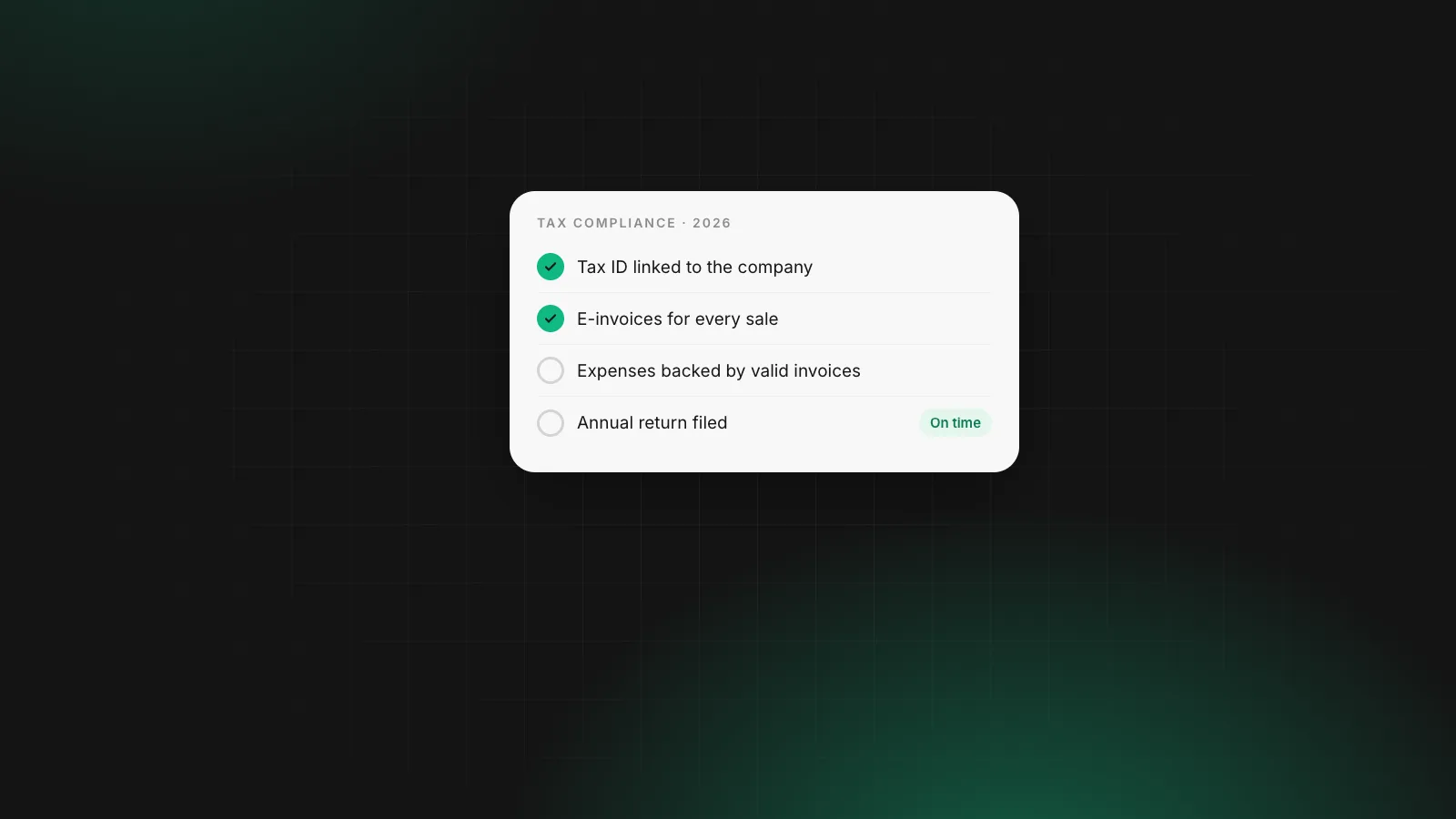
Philippine exporters of goods and services were among the first groups the BIR named for electronic invoicing, together with e-commerce businesses and taxpayers under the Large Taxpayers Service. The TRAIN law of 2018 required the move and the Ease of Paying Taxes Act of 2024 reinforced it. Covered taxpayers issue e-invoices and transmit sales data to the BIR's Electronic Invoicing System (EIS). Deadlines have been extended more than once, so check the latest revenue regulation for your group. To prepare, confirm your invoicing system can issue e-invoices in the BIR's format, register and complete certification, test transmission, and train staff on corrections. Export sales of goods and qualifying services stay zero-rated for VAT when the Tax Code's conditions are met, including proof that the service is consumed abroad and paid in acceptable foreign currency.
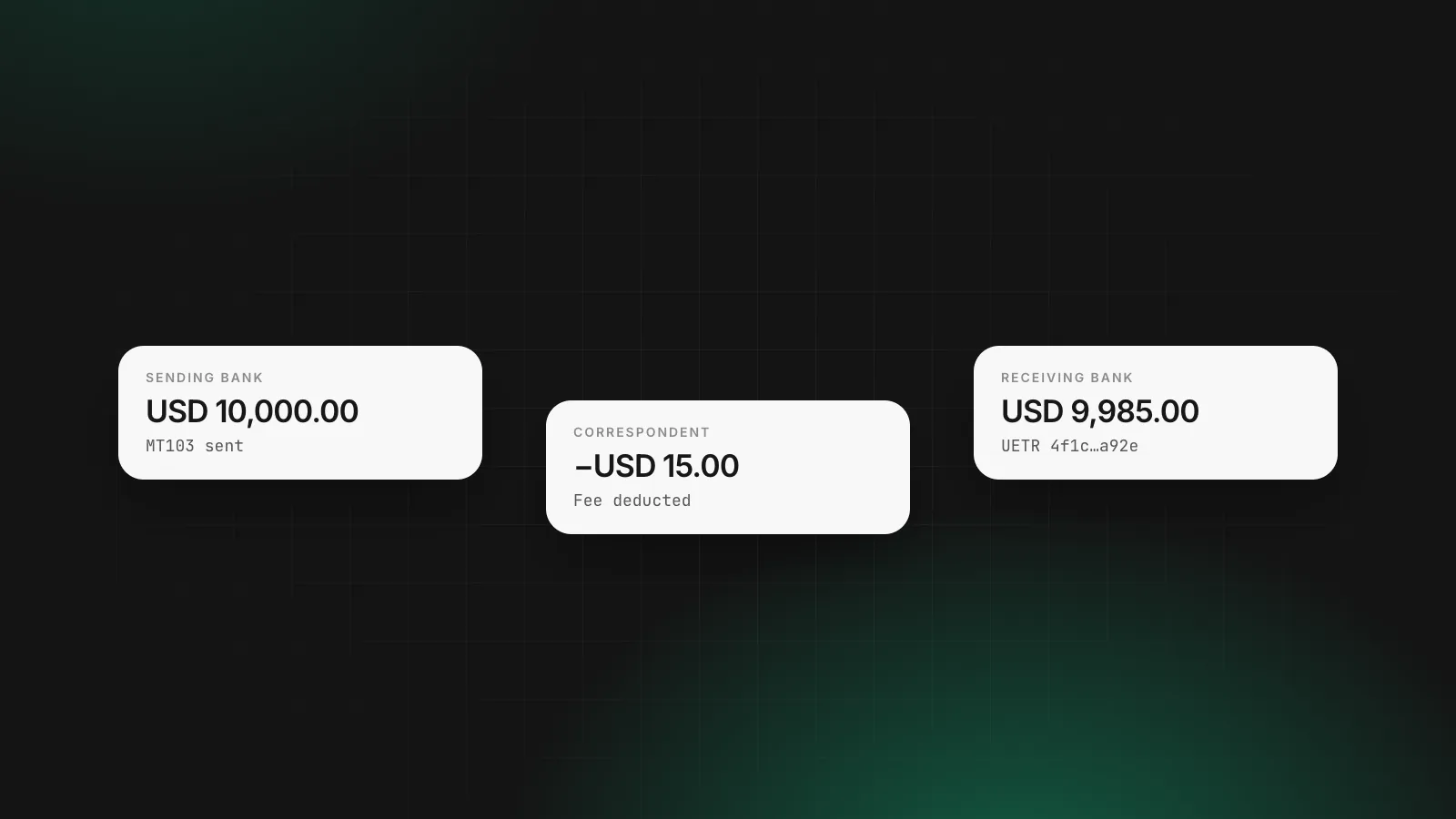
The IT-BPM sector is one of the country's largest sources of foreign currency, serving mostly US clients, then Australian and European ones. Under the BSP's liberal foreign exchange rules, companies hold dollar accounts and convert to pesos as needed. Many are registered business enterprises under PEZA or other investment promotion agencies, where the CREATE law and its 2024 amendment, CREATE MORE, offer income tax holidays followed by enhanced deductions or a special corporate income tax rate, subject to conditions including export orientation. The practical problem is timing: US wires to Philippine banks pass through correspondent banks and take days, while payroll dates are fixed. US account details let US clients pay by ACH in one to two business days. Convert a planned amount a few days before each payroll. Locally, InstaPay moves up to ₱50,000 per transfer in seconds and PESONet settles the same business day.
Cambodia: dollars, riel, Bakong and garment exports after US tariffs
Cambodian businesses work in US dollars and riel side by side. Prices are often quoted in dollars with change in riel; the government and the National Bank of Cambodia encourage riel use, and some payments must be in riel, but dollars dominate larger transactions. Locally, businesses collect and pay through Bakong, the National Bank's payment system launched in 2020, which moves dollars and riel instantly between banks and wallets. KHQR, the national QR standard, lets one code accept payments from any participating app. Foreign clients and agencies do not use Bakong. They pay by international transfer to a Cambodian bank, usually in dollars, which can take several days and lose fees on the way, so agree who pays charges and quote invoice numbers.
Garments, footwear and travel goods are the core of Cambodia's exports, and the US is the largest market. Under a 2025 arrangement most Cambodian goods entering the US pay a 19 percent tariff. The brand or importer of record pays the duty, but brands negotiate prices with factories to share the cost. The US scrutinises goods it suspects were made elsewhere and routed through Southeast Asia, so keep production records, input invoices and certificates of origin that show substantial manufacturing in Cambodia. Factories invoice and receive dollars and pay many costs, including wages, in dollars, which removes most currency risk with US buyers. What remains is terms: brands often pay 30 to 90 days after shipment, so factories lean on advances, trade finance and credit insurance. For a neighbouring market facing the same tariff questions, see Vietnam's exporters to the US after the 2025 tariffs.
Where Rivet fits
Companies registered in Malaysia, Thailand and Indonesia must bring export proceeds home under the rules above, so check with your bank before receiving any proceeds abroad. Partners abroad that bank with Rivet can pay their Malaysian, Thai and Indonesian bank accounts through Rivet payouts where the route is available.
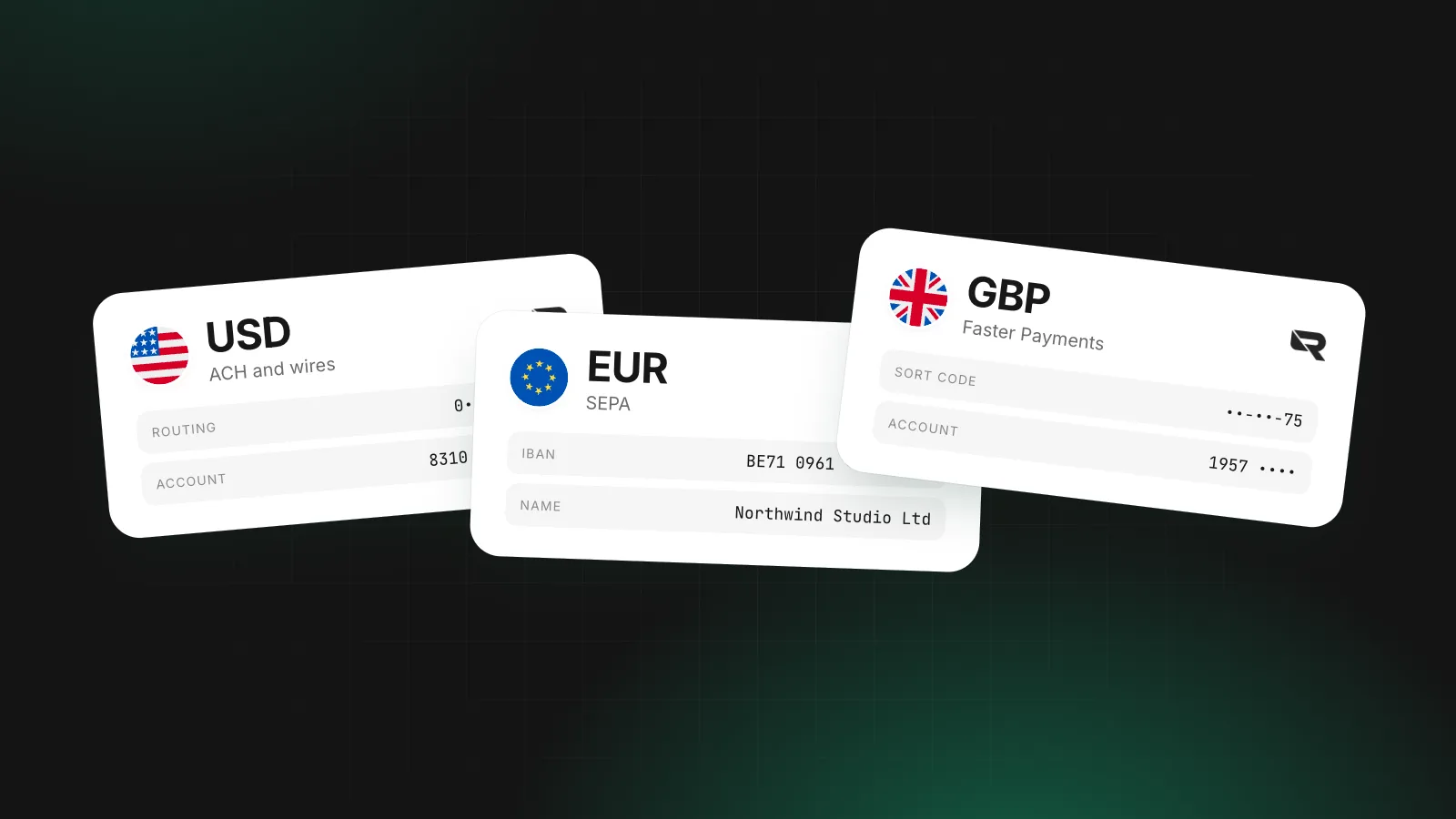
Companies registered in supported countries can apply for a Rivet business account, and availability for each country is confirmed during verification. Cambodian companies must also follow National Bank of Cambodia rules. Approved companies get US account details in their own name on every plan, so US clients and brands pay by ACH, plus euro and sterling details from the Growth plan for European partners. Dollars can be held until payroll and converted at a rate shown before you confirm, and payouts reach 120+ countries, including Philippine bank accounts and e-wallets where available. Rivet does not submit e-invoices to MyInvois or the EIS, file Thai withholding, or issue letters of credit. Rivet is not a bank; regulated partner institutions hold the funds. See Rivet business accounts.
Questions people ask
How long do Malaysian exporters have to repatriate proceeds?
Six months from the date of shipment, under Bank Negara Malaysia's Foreign Exchange Policy notices, unless an extension is approved.
How do I e-invoice a foreign buyer in Malaysia?
Issue the e-invoice through MyInvois using the generic TIN for foreign buyers specified in LHDN's guidelines.
Do Thai exporters have to convert proceeds into baht?
No. The Bank of Thailand removed the conversion requirement. Exporters can hold repatriated proceeds in foreign currency deposit (FCD) accounts in Thailand.
Which payments to foreign companies require PND 54 in Thailand?
Payments of Thai-source income, such as service fees, royalties, interest and dividends, to foreign companies not carrying on business in Thailand.
Does Indonesia's 100 percent DHE retention rule apply to service exporters?
No. It targets natural resource exports in mining, plantations, forestry and fisheries. Service exporters and manufacturers still bring proceeds into Indonesia and report them through banks.
Who must use the BIR's Electronic Invoicing System?
Taxpayers covered by the e-invoicing requirement, initially exporters, e-commerce businesses and large taxpayers, with others to follow. Deadlines have been extended, so check the latest revenue regulation.
What is Bakong?
The National Bank of Cambodia's payment system, launched in 2020, which enables instant transfers in dollars and riel between participating banks and wallets.
Sources
- 01Bank Negara Malaysia: Foreign Exchange Policy
- 02LHDN (Inland Revenue Board of Malaysia)
- 03MyInvois portal
- 04PayNet: DuitNow
- 05Bank of Thailand
- 06Revenue Department of Thailand: Withholding tax
- 07Revenue Department of Thailand: VAT
- 08Bank Indonesia
- 09Bank Indonesia: BI-FAST
- 10Office of the US Trade Representative: Indonesia
- 11Office of the US Trade Representative: Cambodia
- 12Bureau of Internal Revenue: Electronic Invoicing System
- 13Bangko Sentral ng Pilipinas: InstaPay and PESONet
- 14Philippine Economic Zone Authority (PEZA)
- 15National Bank of Cambodia: Bakong
- 16National Bank of Cambodia
William covers what happens once a company starts moving money: getting the business verified, paying contractors and suppliers abroad, and keeping card spend under control. William writes for the founder or finance lead who has to make it work this week, and links every rule cited to the text it comes from.
More from William Sunjo M. →This article is general information, not legal, tax or financial advice. Rules and fees change; check the sources above and the provider’s current terms before you act on them.
- malaysia
- thailand
- indonesia
- philippines
- cambodia
- export proceeds
- e-invoicing
- us tariffs