Nigerian companies paying for foreign software and ads after the FX reforms
For years Nigerian companies struggled to pay for Google Workspace, AWS or Meta ads when naira cards hit tight international limits. The CBN's reforms from 2023 unified the exchange rate and eased access. Payments still need planning, and the naira cost of each dollar has risen.
- Published
- Reading time
- 2 min read
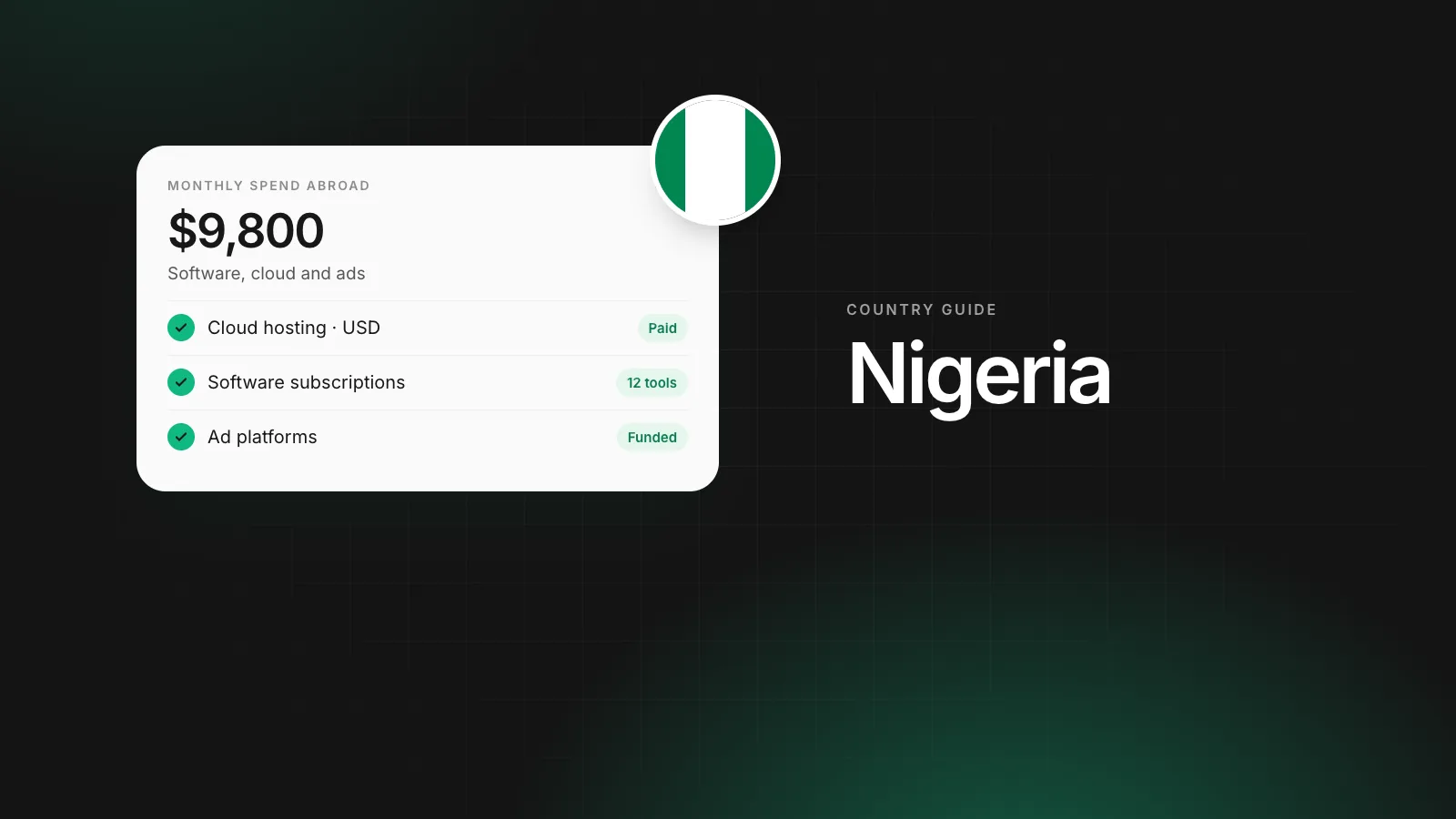
A Lagos e-commerce company pays about $9,800 a month to foreign providers: cloud hosting, a dozen software tools, and Google and Meta ads. In 2022 it used three staff members' personal cards to stay within limits. Since the CBN's reforms it pays from company cards and a domiciliary account, but the naira cost of the same bill has multiplied.
What the reforms changed
From mid-2023 the Central Bank of Nigeria unified the official exchange rate windows, moved towards a market-determined naira and cleared a backlog of foreign exchange demand. Banks gradually restored and adjusted international limits on naira cards. Access improved; the price of a dollar in naira rose sharply.
How companies pay now
- Naira cards for subscriptions and ads, within bank limits.
- Domiciliary accounts for companies with dollar inflows, such as exporters and companies with foreign clients.
- Bank transfers for larger contracts, with invoices for services and Form M for goods imports.
Controlling spend
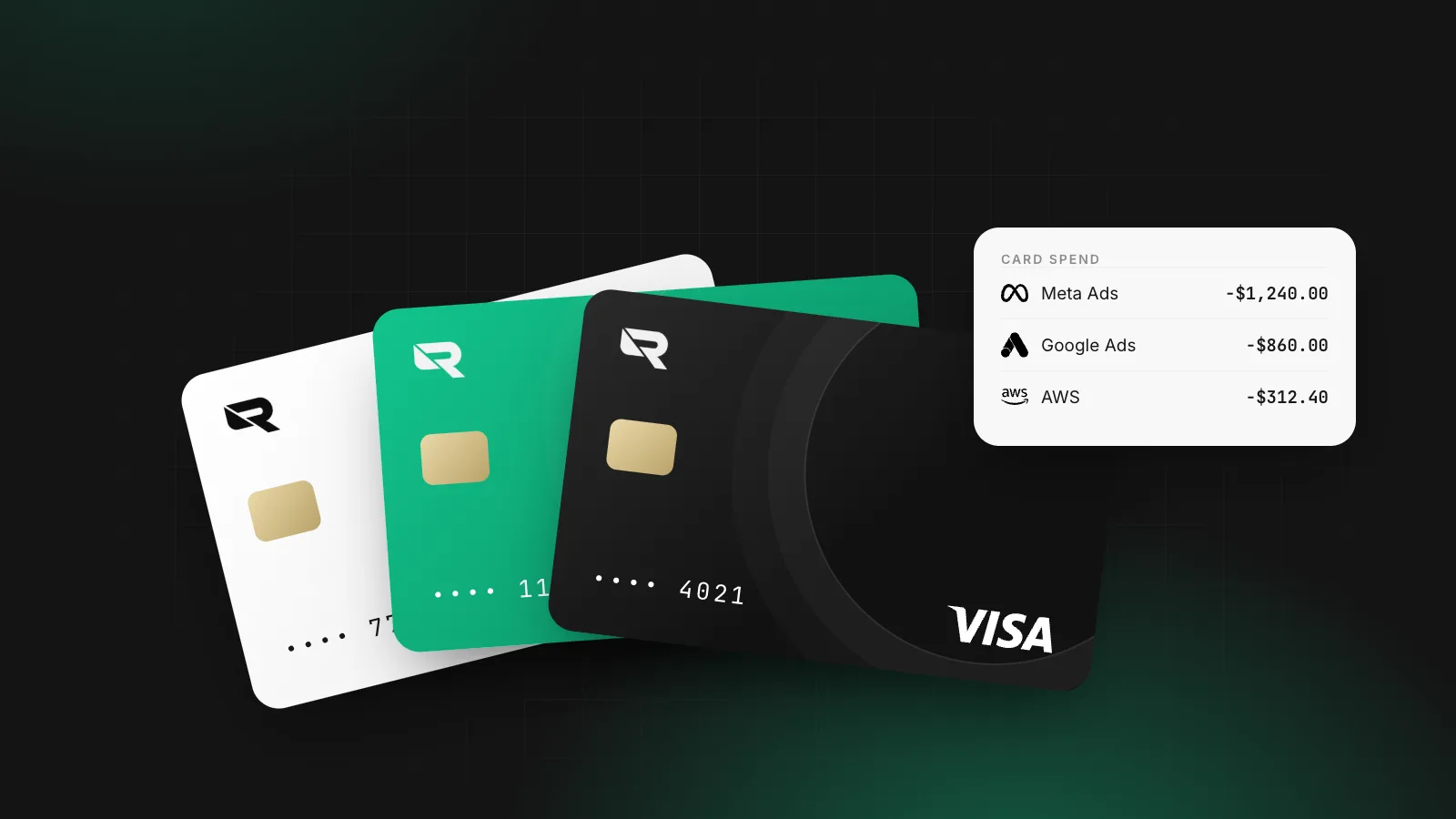
Shared cards make it hard to see who signed up for what. Separate cards per tool or team, each with an owner and a limit, keep spending visible and let you cancel one subscription without breaking the rest.
Budget in dollars
With the naira moving, budget foreign subscriptions in dollars and translate to naira monthly. Review tools quarterly; unused subscriptions cost more than before.
Paying into Nigeria: the local rail
| What | Detail |
|---|---|
| Local rail | NIBSS Instant Payment (NIP) |
| Run by | Nigeria Inter-Bank Settlement System |
| Settlement | Seconds, 24/7 |
| Published fee | The CBN caps the sender's charge at ₦10 up to ₦5,000, ₦26 up to ₦50,000 and ₦50 above that |
Source: NIBSS: NIP. Checked when this guide was last updated; the scheme's own page has the current figures.
Where Rivet fits
Rivet opens business accounts for registered companies after verification. Nigeria-registered companies should follow CBN rules on foreign currency and payments abroad. Nigerian founders' companies registered elsewhere, such as a US LLC, can use a Rivet business account with Visa company cards, per-card limits and US account details on every plan. Rivet is not a bank; regulated partner institutions hold the funds.
See Facebook ads payment methods and domiciliary account vs USD account.
Questions people ask
Can Nigerian companies pay foreign software with naira cards?
Yes, within each bank's international limits. Limits and charges have changed often since 2023, so check with your bank.
What is a domiciliary account?
A foreign currency account at a Nigerian bank. Companies with dollar inflows use it to pay foreign costs directly.
What documents are needed for larger payments abroad?
Invoices and contracts for services, and Form M and customs documents for imports of goods.
How can companies control software spend?
With a card per tool or team, a named owner and a monthly limit, so subscriptions are visible and can be cancelled individually.
Sources
William covers what happens once a company starts moving money: getting the business verified, paying contractors and suppliers abroad, and keeping card spend under control. William writes for the founder or finance lead who has to make it work this week, and links every rule cited to the text it comes from.
More from William Sunjo M. →This article is general information, not legal, tax or financial advice. Rules and fees change; check the sources above and the provider’s current terms before you act on them.
- nigeria
- saas payments
- facebook ads
- cbn
- domiciliary account
- naira