Why international card payments fail for SaaS, and how to collect from overseas customers
A SaaS company's foreign customers are often its most valuable, and their card payments fail more often. Most declines have known causes. Here is what triggers them and what recovers the revenue.
- Published
- Reading time
- 2 min read
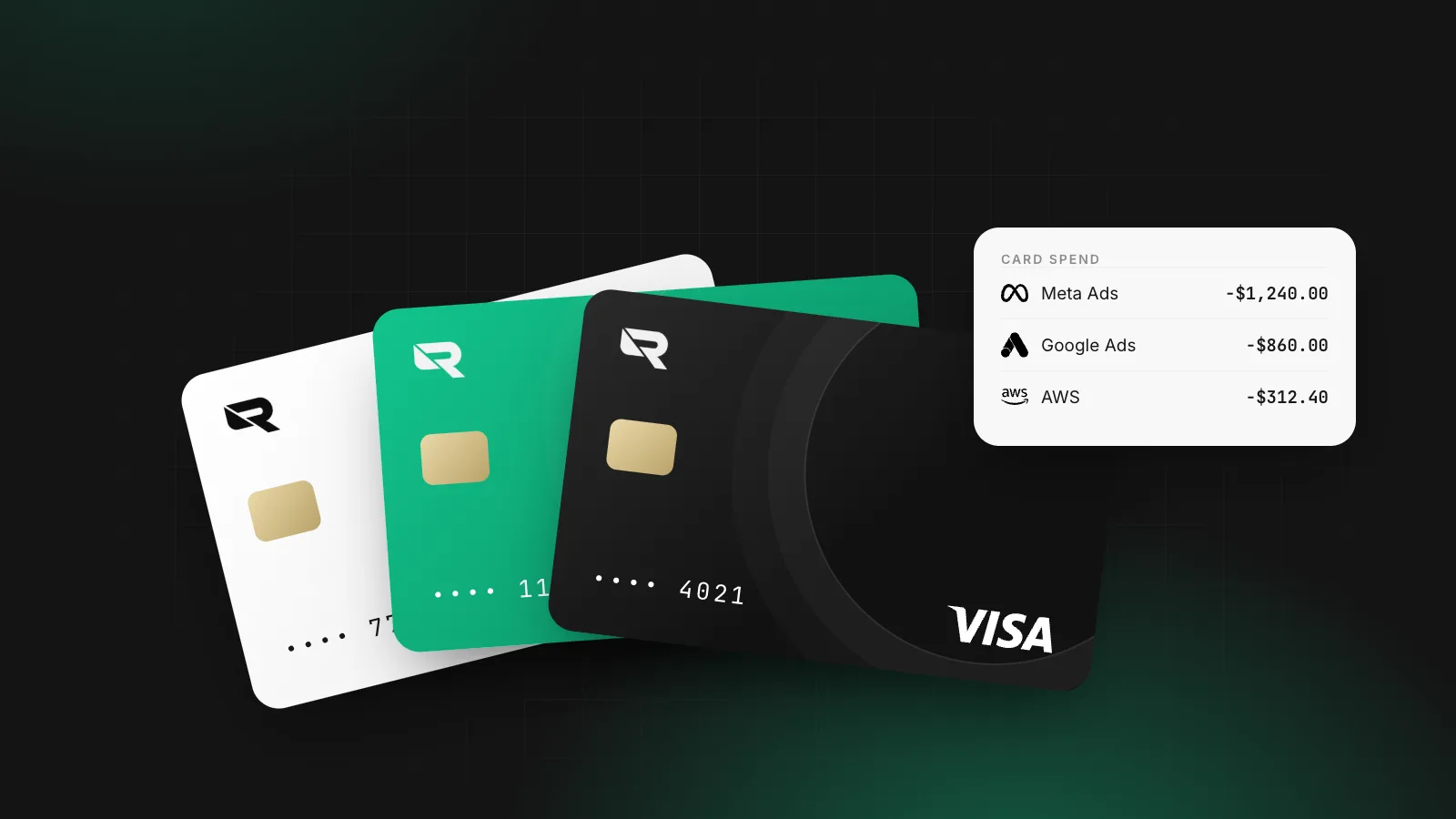
A SaaS company often finds that customers abroad pay more and stay longer. Then it notices that their renewals fail more often. Failed card payments at renewal are one of the largest sources of involuntary churn, and cross-border ones fail most.
Why cross-border card payments fail
Issuer fraud rules. A bank in Spain sees a card-not-present charge from a US merchant it has never seen and declines it to be safe. The customer did nothing wrong.
Authentication. In the EU and UK, most online card payments need strong customer authentication through 3-D Secure. Recurring charges can run without it, but only if the first payment was authenticated and later ones are flagged as merchant-initiated. If the setup is wrong, renewals fail.
Currency. Charging in a foreign currency adds a conversion and often a foreign transaction fee, and some corporate cards block foreign-currency charges entirely.
Expired or replaced cards. Cards are reissued every few years, and after fraud. Annual subscriptions are especially exposed.
Insufficient funds or limits. Corporate cards with low limits fail on large annual charges.
Fixes that work
| Fix | What it addresses |
|---|---|
| Price and charge in local currency | FX blocks, customer confusion |
| Clear billing descriptor with brand name | "I don't recognize this" declines and disputes |
| 3-D Secure on first payment, merchant-initiated flags after | SCA failures on renewals |
| Card updater services | Expired and reissued cards |
| Smart retries over several days | Temporary declines |
| Dunning emails with a one-click update link | Cards that need replacing |
| Pre-renewal reminders for annual plans | Large charges hitting card limits |
Your billing platform probably has most of these. Many companies have them switched off.
Offer bank transfer for bigger contracts
For annual plans and enterprise deals, cards are often the wrong tool. Finance teams at larger customers prefer an invoice paid by transfer, and transfers do not expire.
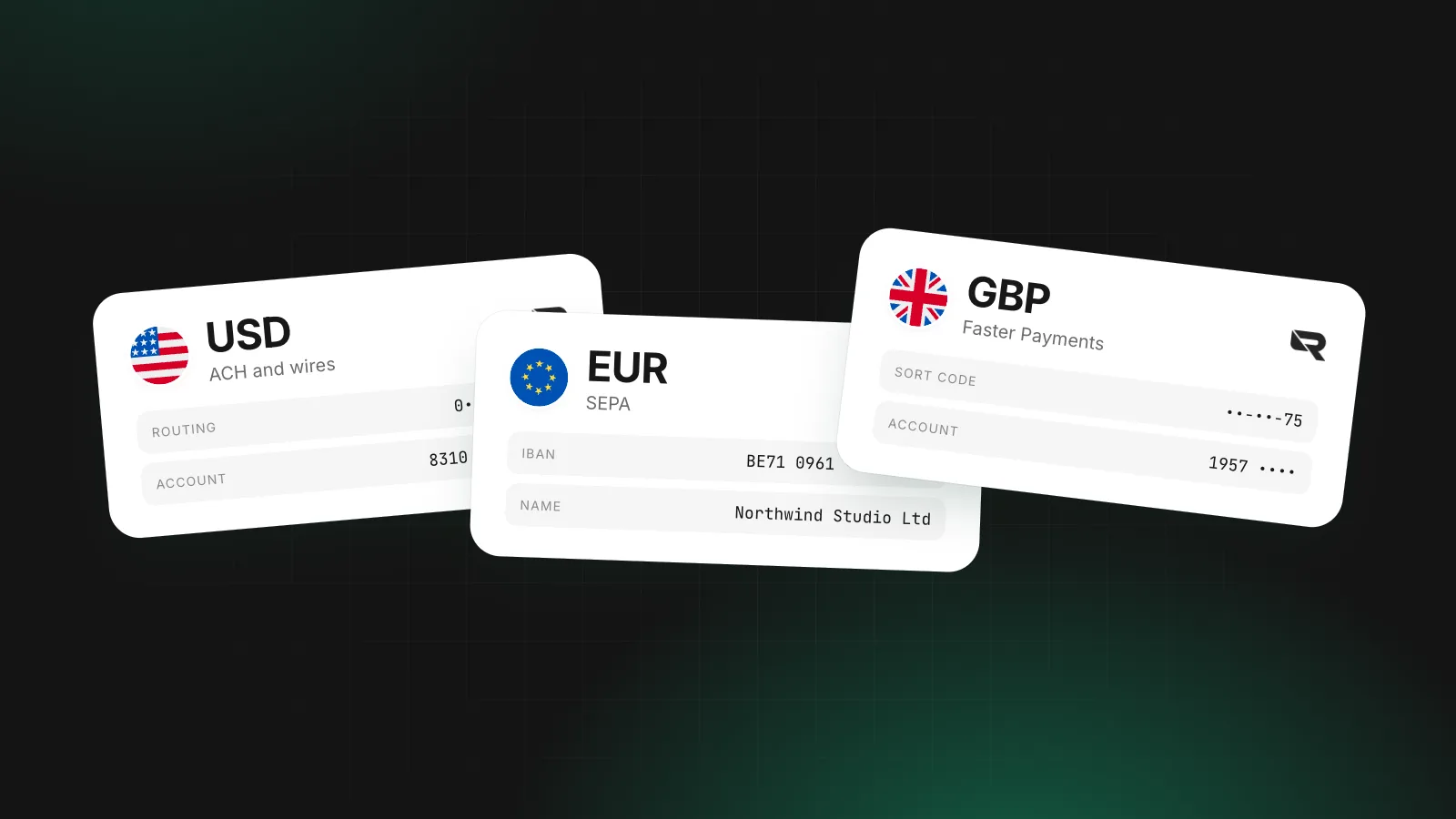
Give those customers local account details in their currency: a US customer pays your USD account by ACH, a German customer pays your IBAN by SEPA. It is a domestic payment for them, with no foreign transaction fee. Our article on getting international clients to pay on time covers terms and reminders.
Track the right number
Measure recovery rate: the share of failed payments recovered within 30 days. If it is low, start with retries and dunning. If declines cluster in one country, look at currency and authentication there.
Where Rivet fits
Rivet gives a SaaS company USD account details on every plan, and EUR and GBP on Growth, so customers can pay annual invoices by local bank transfer, and processor payouts can land in the matching currency. See Bank accounts.
Questions people ask
Why are card payments from other countries declined more?
Issuing banks see cross-border card-not-present payments as higher risk, so their fraud systems decline more of them. Currency, an unfamiliar merchant name and a missing authentication step add to it.
What is strong customer authentication?
A requirement under PSD2 in the EU, and in UK rules, that most online card payments be confirmed with two factors, usually through 3-D Secure. Recurring charges can be exempt after the first authenticated payment if set up as merchant-initiated.
What is dunning?
The process of recovering failed subscription payments: retrying the card at sensible times, emailing the customer to update details, and pausing access only after a set period.
Should SaaS companies accept bank transfers?
For annual plans and enterprise contracts, yes. Larger customers often prefer paying invoices by transfer, and transfers do not expire or get declined at renewal. Give them local account details so it is a domestic payment for them.
Sources
Rashidatou writes Rivet's guides to how money moves between countries: the payment rails, what each one costs, and the account details a company needs to get paid in another currency. Every figure in Rashidatou's articles is traced to the scheme rulebook, the regulator or the provider's published price list, and those sources are listed at the end.
More from Rashidatou K. →This article is general information, not legal, tax or financial advice. Rules and fees change; check the sources above and the provider’s current terms before you act on them.
- saas payments
- card declines
- failed payments
- strong customer authentication
- subscription billing