Domiciliary account vs USD account details: what a business in Nigeria needs
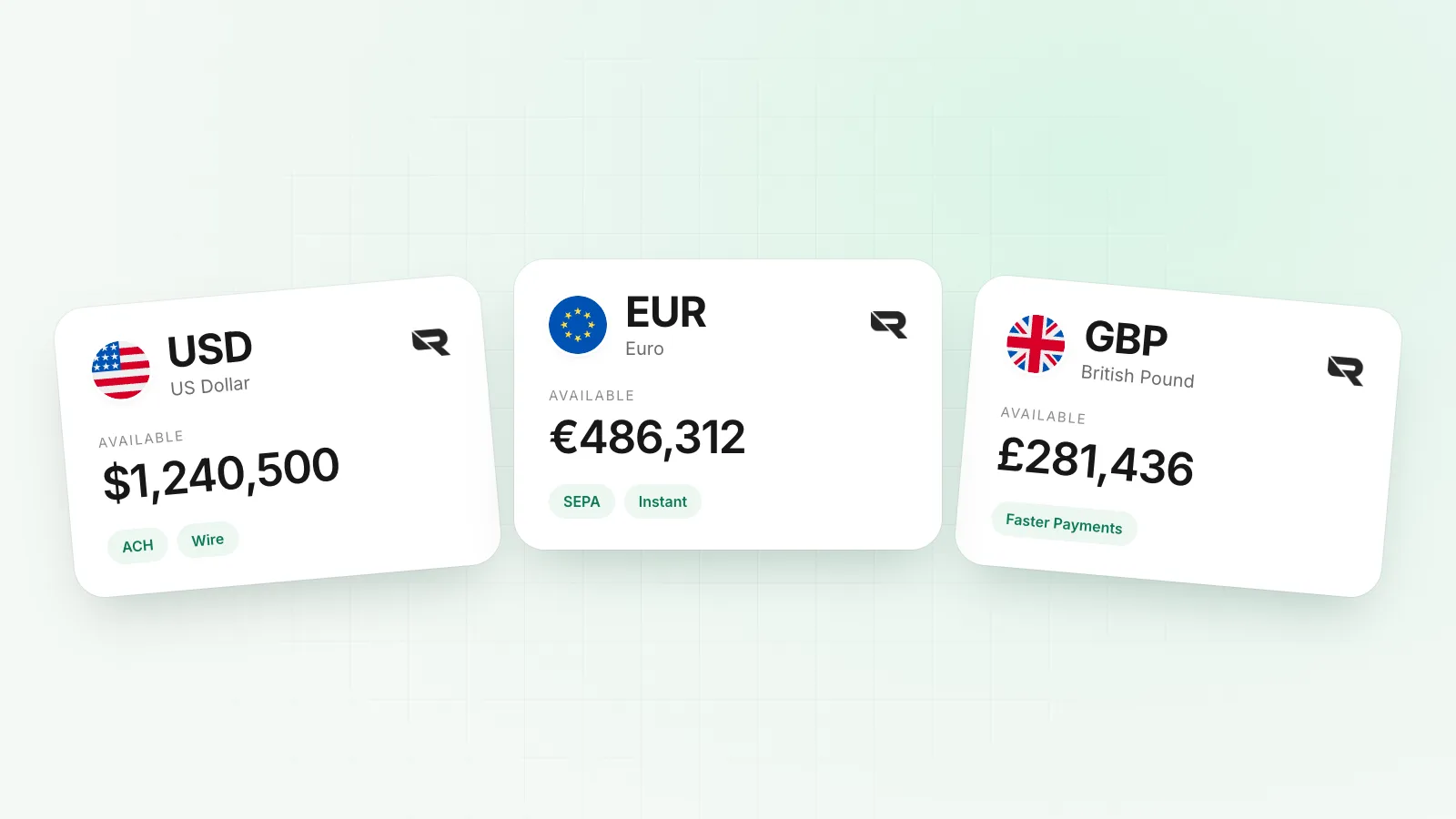
A domiciliary account holds dollars at a local bank. USD account details abroad let a US client pay you like a US supplier. Many businesses end up using both.
- Published
- Updated
- Reading time
- 2 min read
Ask a Nigerian founder how they get paid by foreign clients and you will hear two answers: "domiciliary account" and "USD account". They sound alike. They work differently, cost different amounts, and many businesses end up using both.
This guide uses Nigeria as the example because "domiciliary account" is a Nigerian banking term, but the same split applies in Kenya, Ghana, Pakistan and elsewhere.
What is a domiciliary account?
A domiciliary account is a foreign currency account at a local bank: a USD, GBP or EUR account at a Nigerian bank, for example. It holds foreign currency, and it receives international transfers through the bank's correspondent banks abroad. GTBank, UBA, Access, Zenith and First Bank all offer them, for individuals and for businesses.
What a business needs to open one
Requirements are set by each bank, but most ask for:
| Document | Notes |
|---|---|
| CAC certificate and status report | Corporate Affairs Commission registration |
| Memorandum and articles of association | For limited companies |
| Board resolution | Authorising the account and its signatories |
| IDs and BVNs | For directors and signatories |
| Proof of business address | Recent utility bill or similar |
| References | Often from existing account holders |
How a client pays each one
The difference shows when a US client pays.
| Domiciliary account | USD account details abroad | |
|---|---|---|
| Client pays by | International wire (SWIFT) | ACH or domestic US wire |
| What the client needs | Your bank's SWIFT code, its US correspondent, your account number | A routing number and account number |
| Fees on the way | Sender's fee, possibly intermediary fees, your bank's charge | Low; no intermediary bank |
| Speed | Usually 1 to 5 days | Same day to 2 days |
| Familiar to a US finance team | Less | Yes, like any US supplier |
A US accounts payable team that pays 200 suppliers by ACH will often ask a foreign supplier for ACH details first. USD details abroad answer that request.
Why many businesses use both
A common setup:
- Clients in the US pay USD details held abroad in the company's name, by ACH.
- The company pays USD costs, such as software, ads and contractors, straight from that balance.
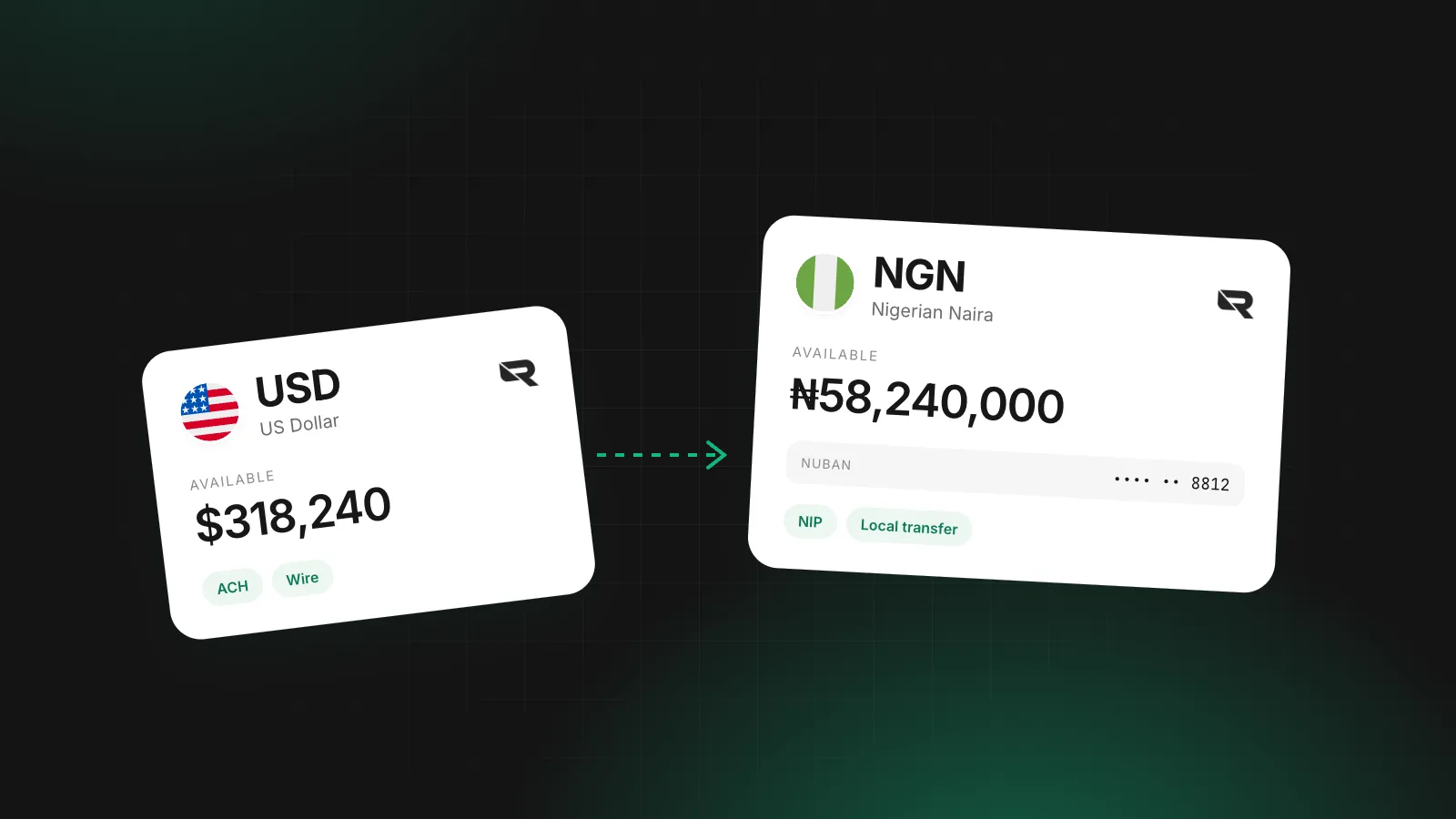
- When it needs to spend in Nigeria, it moves dollars to its domiciliary account, or converts, under the Central Bank of Nigeria's rules at the time.
The CBN's foreign exchange rules have changed often in recent years; a fourth edition of its Foreign Exchange Manual took effect in June 2026. Ask your bank what applies to inflows into a domiciliary account before you rely on a route.
The same idea in other countries
- Kenya: a USD account at KCB, Equity, Co-op Bank, Absa or Standard Chartered.
- Pakistan: a foreign currency account at Meezan, Faysal and others, under State Bank of Pakistan rules.
- Ghana: a foreign exchange account at a local bank.
USD details in your company's name
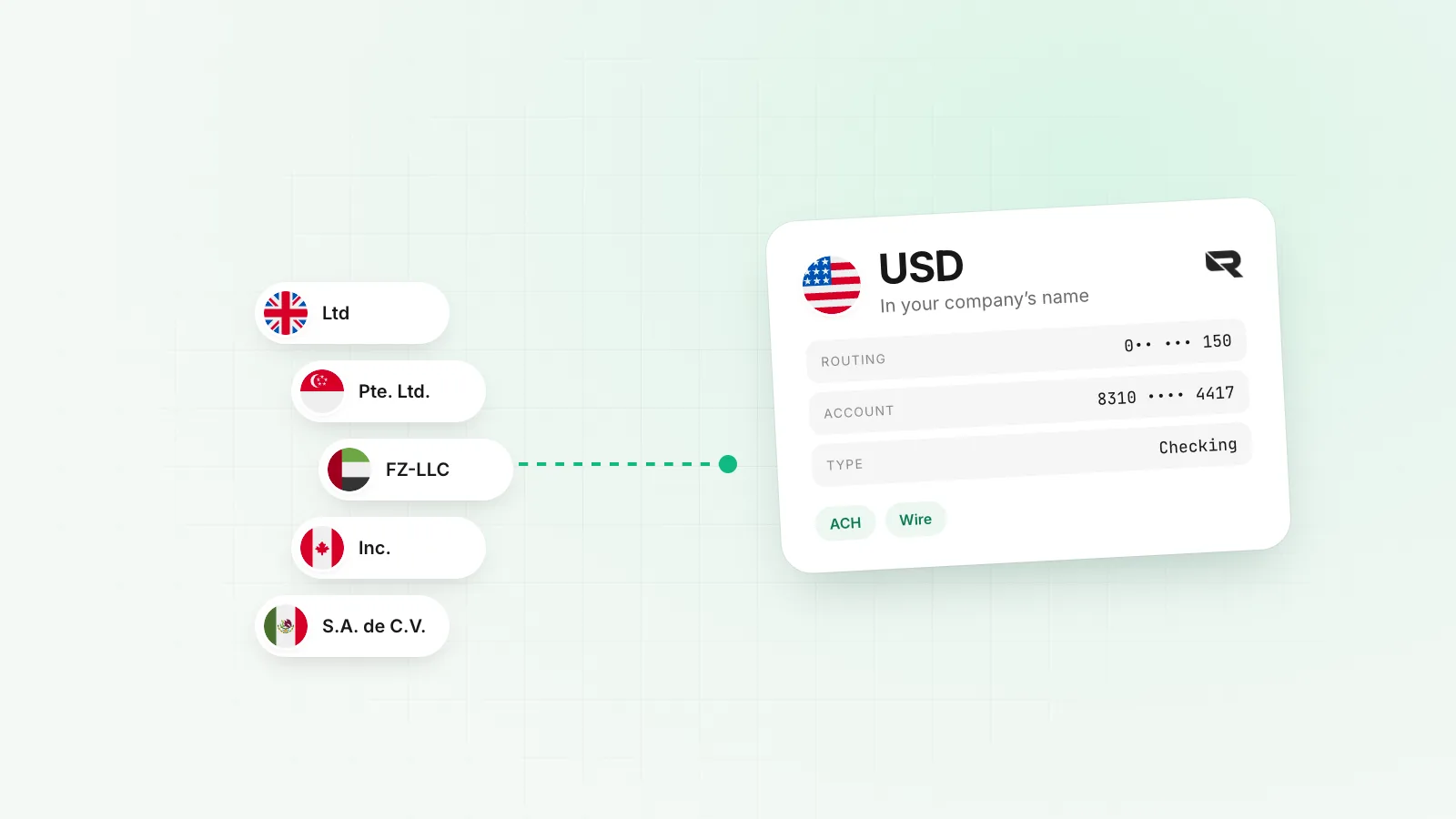
Rivet issues USD account details in your company's name on the free Starter plan, for companies registered in the countries we support, so US clients pay you by ACH or wire like any US supplier. The receiving USD guide explains the process, and Bank accounts shows the details.
Questions people ask
What is a domiciliary account?
A domiciliary account is a bank account in a foreign currency, such as USD, GBP or EUR, held at a bank in your own country. The term is used mainly in Nigeria and some other West African countries. It lets you hold foreign currency and receive international transfers.
What are the requirements for a business domiciliary account?
Banks usually ask for the certificate of incorporation and company documents from the Corporate Affairs Commission, a board resolution, IDs and BVNs for directors and signatories, proof of business address, and references. Each bank sets its own list, so ask the branch.
How do I receive dollars in Nigeria for my business?
Two common routes: give clients your domiciliary account's SWIFT details for international wires, or give them USD account details held abroad in the company's name, which they can pay by ACH or domestic wire. The second is usually cheaper for US clients. Funds then move to Nigeria as needed.
Can OPay or Moniepoint receive dollars?
These are naira-based mobile money and business banking services. Check each provider's current product list, because what they offer changes. For a company receiving from foreign clients, a domiciliary account or USD details in the company's name are the standard routes.
Sources
Rashidatou writes Rivet's guides to how money moves between countries: the payment rails, what each one costs, and the account details a company needs to get paid in another currency. Every figure in Rashidatou's articles is traced to the scheme rulebook, the regulator or the provider's published price list, and those sources are listed at the end.
More from Rashidatou K. →This article is general information, not legal, tax or financial advice. Rules and fees change; check the sources above and the provider’s current terms before you act on them.
- domiciliary account
- domiciliary account meaning
- domiciliary account requirements
- dollar account in nigeria
- receive dollars