How to choose a business account for international payments: 12 questions to ask
Most business account comparisons list features. The questions below are the ones that decide whether an account still works for you a year later, when you have more countries, more currencies and a compliance review.
- Published
- Reading time
- 2 min read
Choosing a business account for international work is hard to undo. Every client, platform and supplier ends up holding your details, and switching later takes months. These twelve questions cover what usually goes wrong after the sign-up page.
Eligibility
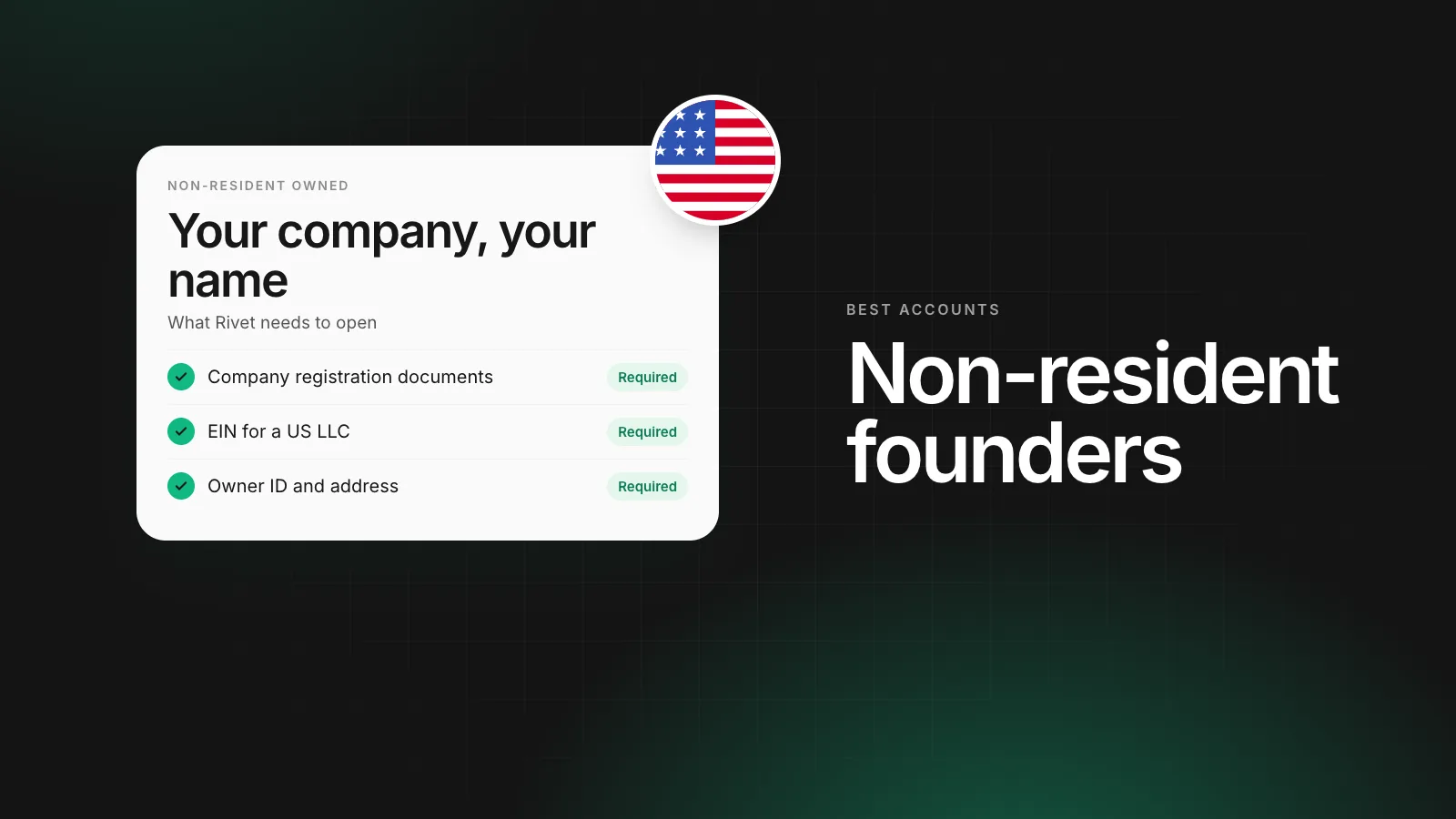
1. Will you accept my company and its owners? Providers decide by where the company is registered and where its owners and directors live. Ask before you apply, not after a three-week review.
2. What documents will you need? A clear list up front signals a well-run onboarding. See KYB documents.
Account details
3. Are the account details in my company's name? Some providers give you a reference on a pooled account. Clients and platforms increasingly check the name, so details in your own name cause fewer problems.
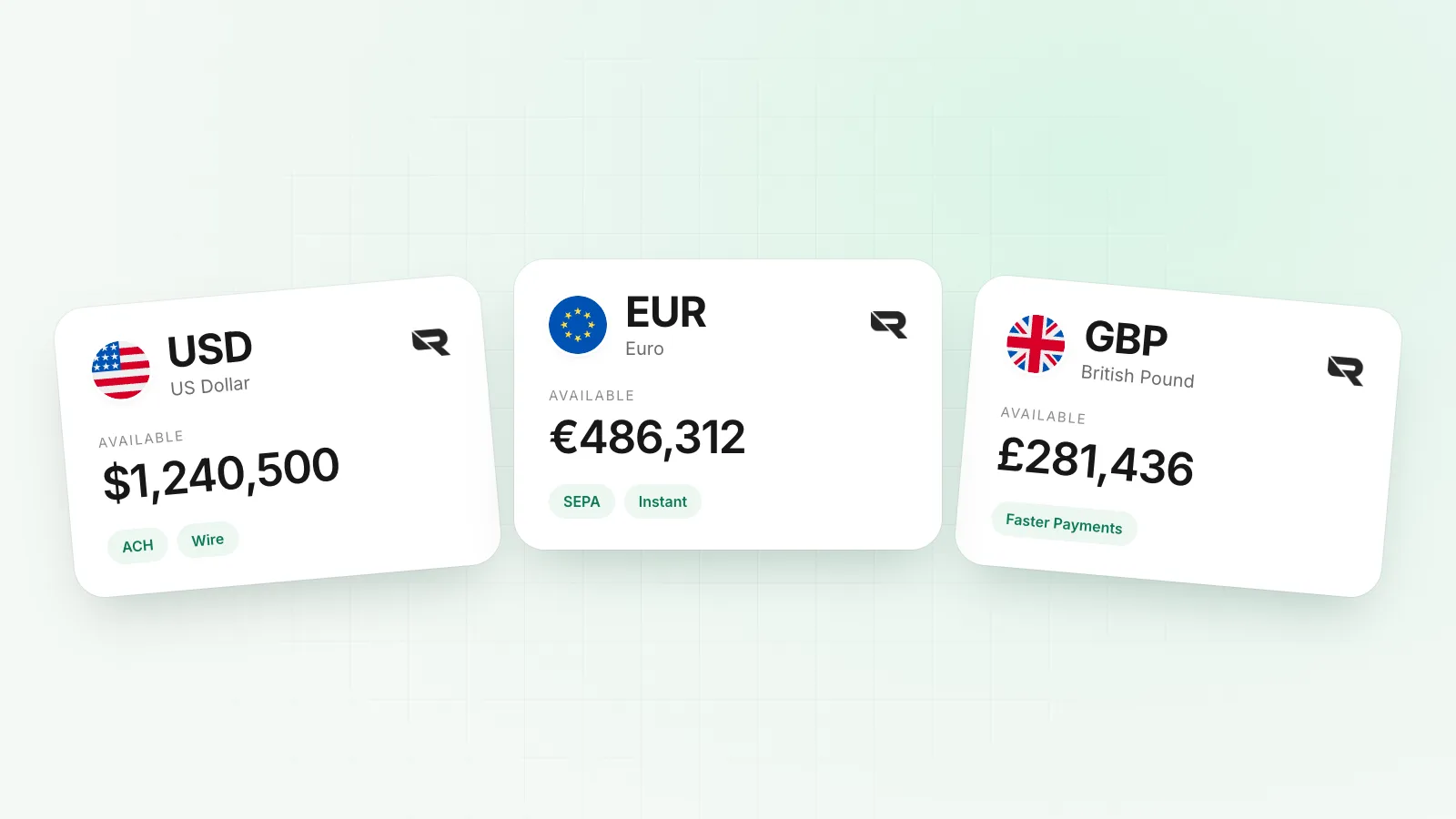
4. Which currencies come with local details? For each currency you get paid in, ask which rails the details receive on: ACH and wire for USD, SEPA for EUR, Faster Payments for GBP. The virtual IBAN guide explains how these work.
5. Which plans include which currencies? A free plan may cover only one currency.
Cost
6. What is the FX markup over the mid-market rate? Compare rates, not fees. See mid-market rate and FX markup.
7. What does each payout rail cost? ACH, wires, SEPA and local payouts are priced differently. Ask for the price on the rails you will use.
8. What are the monthly and hidden fees? Inactivity, card issuance, incoming wire and account closure fees add up.
Payouts and cards
9. Can you pay people in the countries I need, in their currency? Ask for the list, and whether payouts arrive on local rails.
10. Do the cards work for my spend? Ad platforms, software, travel. Check for per-card limits and virtual cards. See corporate cards for startups.
Safety and support
11. How is my money held? Partner-bank deposits with insurance, safeguarding under e-money or payment rules, or something else. Ask which applies to each balance, including stablecoins.
12. What happens in a review? Ask what triggers a review, how long funds can be held, and whether you get a named contact. Our account closures guide covers the usual triggers.
A quick scorecard
| Question | Provider A | Provider B |
|---|---|---|
| Accepts my country | ||
| Details in my name | ||
| Currencies I need, on my plan | ||
| FX markup on $10,000 | ||
| Payout countries covered | ||
| How funds are held |
Where Rivet fits
Rivet opens accounts for registered companies in the countries we support. USD details in your company's name come on the free plan, with EUR and GBP on Growth, and payouts go to more than 120 countries. See Pricing.
Questions people ask
What should I look for in a business account for international payments?
Acceptance for your company and owners' countries, local account details in the currencies your customers use, clear FX pricing against the mid-market rate, payouts on local rails to the countries you pay, and a clear explanation of how funds are held.
Is a fintech business account as safe as a bank?
It depends on the provider and country. Some fintechs hold money at partner banks with deposit insurance, others safeguard it under e-money or payment rules, which protects it in a different way. Ask which applies and to which balances.
Do I need a separate account for each currency?
Not usually. A multi-currency account holds several balances under one company, each with its own local account details where the provider offers them.
How do I compare FX fees?
Take the rate the provider would give you and compare it with the mid-market rate at the same moment. The difference, plus any fixed fee, is the real cost. Do this on an amount you actually send.
Sources
William covers what happens once a company starts moving money: getting the business verified, paying contractors and suppliers abroad, and keeping card spend under control. William writes for the founder or finance lead who has to make it work this week, and links every rule cited to the text it comes from.
More from William Sunjo M. →This article is general information, not legal, tax or financial advice. Rules and fees change; check the sources above and the provider’s current terms before you act on them.
- choose business account
- business banking checklist
- fintech business account
- compare business accounts