Salary vs dividends for UK company directors in 2026/27
Most owner-directors of small UK companies take a small salary and the rest as dividends. The 2026/27 tax year changed the maths: dividend tax rose by two points, and employer National Insurance has started at £5,000 since April 2025.
- Published
- Reading time
- 3 min read
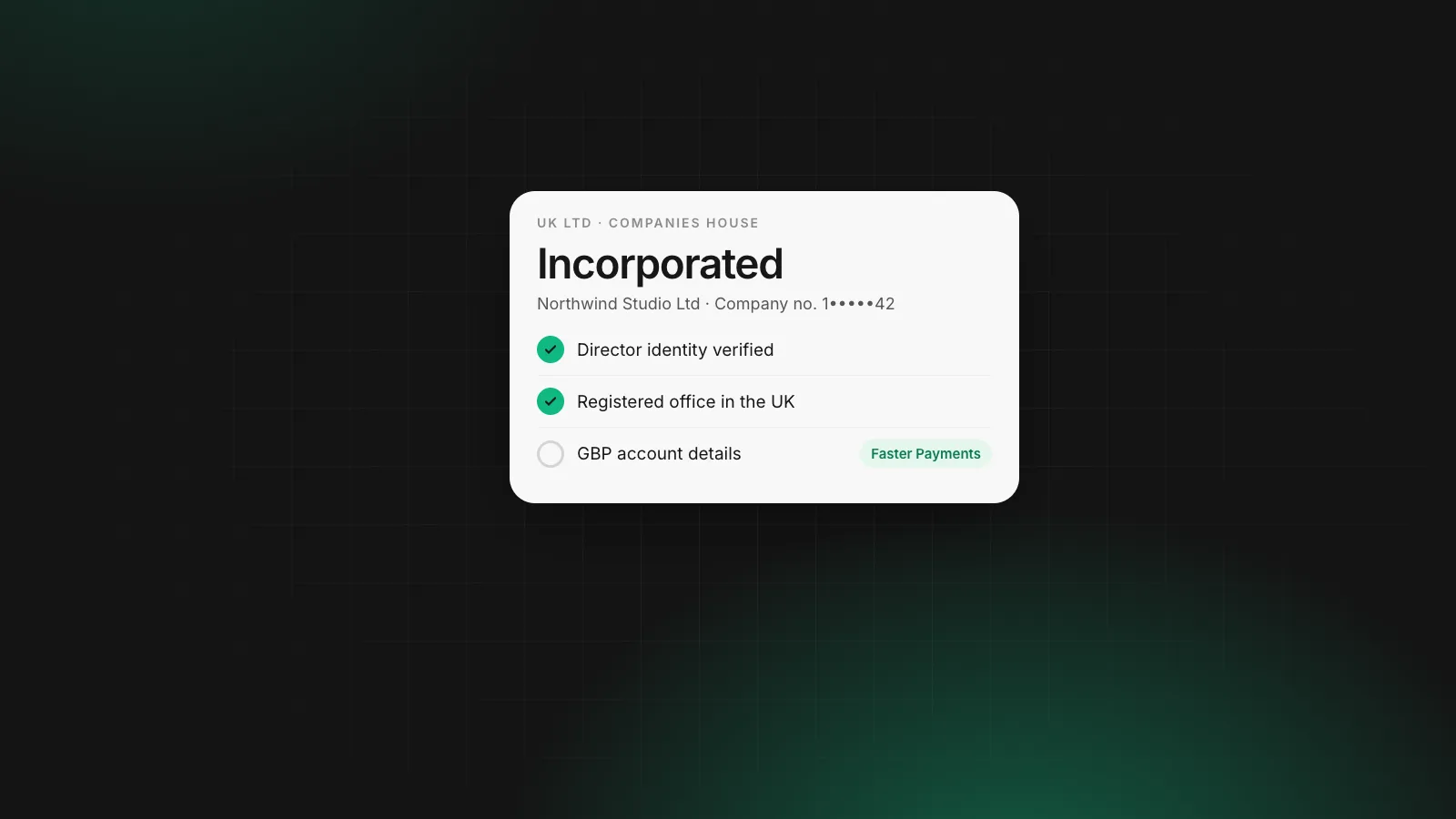
If you own and run a small UK limited company, you can pay yourself a salary, dividends, or both. The mix changes how much tax you and the company pay. This guide uses the rates for the tax year that started on 6 April 2026. It shows the usual approach and why it works, but it is not personal tax advice: your other income changes the answer.
Why is there a choice at all?
A salary is an expense of the company. It reduces the company's taxable profit, so it saves Corporation Tax, but salary over certain thresholds carries employer and employee National Insurance. A dividend is a share of profit paid after Corporation Tax. It carries no National Insurance, but it is taxed at dividend rates in your hands.
What are the 2026/27 rates?
| Rate or threshold | |
|---|---|
| Personal allowance | £12,570 |
| Employee NI primary threshold | £12,570 a year |
| Employer NI threshold | £5,000 a year |
| Employer NI rate | 15% |
| Dividend allowance | £500 |
| Dividend tax, basic rate | 10.75% |
| Dividend tax, higher rate | 35.75% |
| Dividend tax, additional rate | 39.35% |
| Corporation Tax | 19% up to £50,000 profit, 25% over £250,000, marginal relief in between |
The basic and higher dividend rates each rose two points on 6 April 2026. Employer National Insurance went to 15% with a £5,000 threshold in April 2025.
What salary do most directors take?
For a company where the director is the only employee, the common choice is a salary of £12,570.
At that level there is no Income Tax and no employee National Insurance. The company pays employer National Insurance on the part above £5,000, which is £7,570 × 15% = £1,135.50. Both the salary and that NI are deductible, so at a 19% Corporation Tax rate they save about £2,604 of Corporation Tax. The net effect is positive, and a salary over the lower earnings limit also counts towards your State Pension.
Some directors take a salary of £5,000 instead, avoiding employer NI entirely. Others, in companies with a second employee that qualify for the Employment Allowance, take more. A company where the director is the only person paid a salary cannot claim the Employment Allowance.
How are dividends taxed on top?
Your salary uses your personal allowance, so dividends are taxed from the first pound after the £500 dividend allowance. Dividends inside the basic-rate band (up to £50,270 of total income) are taxed at 10.75%. Above that, 35.75%.
A worked example for 2026/27, with no other income:
| Amount | |
|---|---|
| Salary | £12,570 |
| Dividends | £37,700 |
| Total income | £50,270 |
| Dividend allowance | £500 at 0% |
| Remaining dividends | £37,200 at 10.75% = £3,999 |
That keeps the director just inside the basic-rate band. Any further profit can stay in the company, taxed at the Corporation Tax rate, until a later year or a different use.
What paperwork does a dividend need?
- Up-to-date accounts showing enough distributable profit after Corporation Tax.
- A board decision recorded in minutes.
- A dividend voucher for each shareholder showing date, company, shareholder, amount.
- The payment from the company account to the shareholder.
Paying a dividend the company cannot cover is unlawful and may have to be repaid. Money taken without either a salary run or a declared dividend sits on the director's loan account instead.
Should profit stay in the company?
If you do not need it, leaving profit in the company defers personal tax. The company can use it for growth, hold it as a buffer, or pay it out in a year when your other income is lower. Many directors keep that buffer in more than one currency if they earn from clients abroad, so a payment in dollars does not have to be converted the day it arrives.
Where Rivet fits
Rivet opens business accounts for registered companies. A UK Ltd can hold GBP, USD and EUR in the company's name, pay salaries and dividends to UK accounts by Faster Payments, and keep overseas income in its original currency until the directors decide what to do with it.
Questions people ask
What is the most tax-efficient director salary for 2026/27?
For many single-director companies it is £12,570, which uses the personal allowance with no Income Tax or employee National Insurance. The company pays employer National Insurance above £5,000, but that cost and the salary reduce Corporation Tax. Where the Employment Allowance applies, a higher salary can work. Your accountant should check your case.
Can I pay myself only in dividends?
Yes, if the company has distributable profits. You lose the Corporation Tax saving a salary gives, and a salary above the lower earnings limit builds your State Pension record, so most directors take some salary.
How often can a company pay dividends?
As often as the directors decide, as long as there is enough distributable profit each time and each dividend is recorded in board minutes with a voucher for each shareholder.
What happens if I take money out that is not salary or dividends?
It goes on a director's loan account. If more than £10,000 is outstanding it can be a taxable benefit, and if it is not repaid within nine months of the year end the company owes a temporary tax charge on it.
Sources
William covers what happens once a company starts moving money: getting the business verified, paying contractors and suppliers abroad, and keeping card spend under control. William writes for the founder or finance lead who has to make it work this week, and links every rule cited to the text it comes from.
More from William Sunjo M. →This article is general information, not legal, tax or financial advice. Rules and fees change; check the sources above and the provider’s current terms before you act on them.
- salary vs dividends
- director salary
- dividend tax
- uk ltd
- pay yourself
- uk