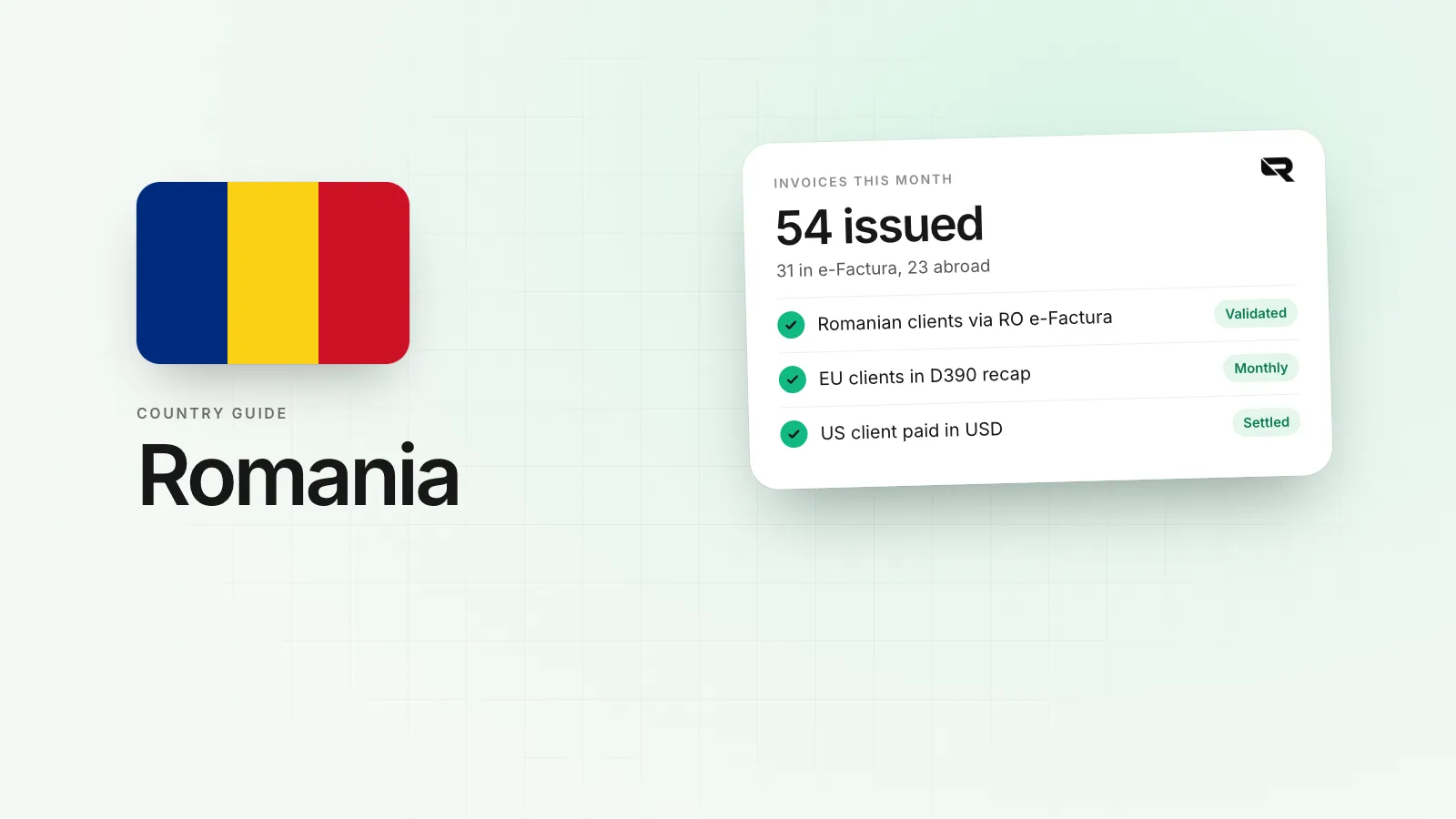
Romanian IT companies with Western clients: collecting euros and dollars in full
Romania's IT sector exports most of what it produces. A Bucharest or Iași software company billing Munich and New York is paid in euros and dollars, books in lei, and pays most of its costs in lei. The gap between those currencies is where money disappears.
- Published
- Reading time
- 2 min read
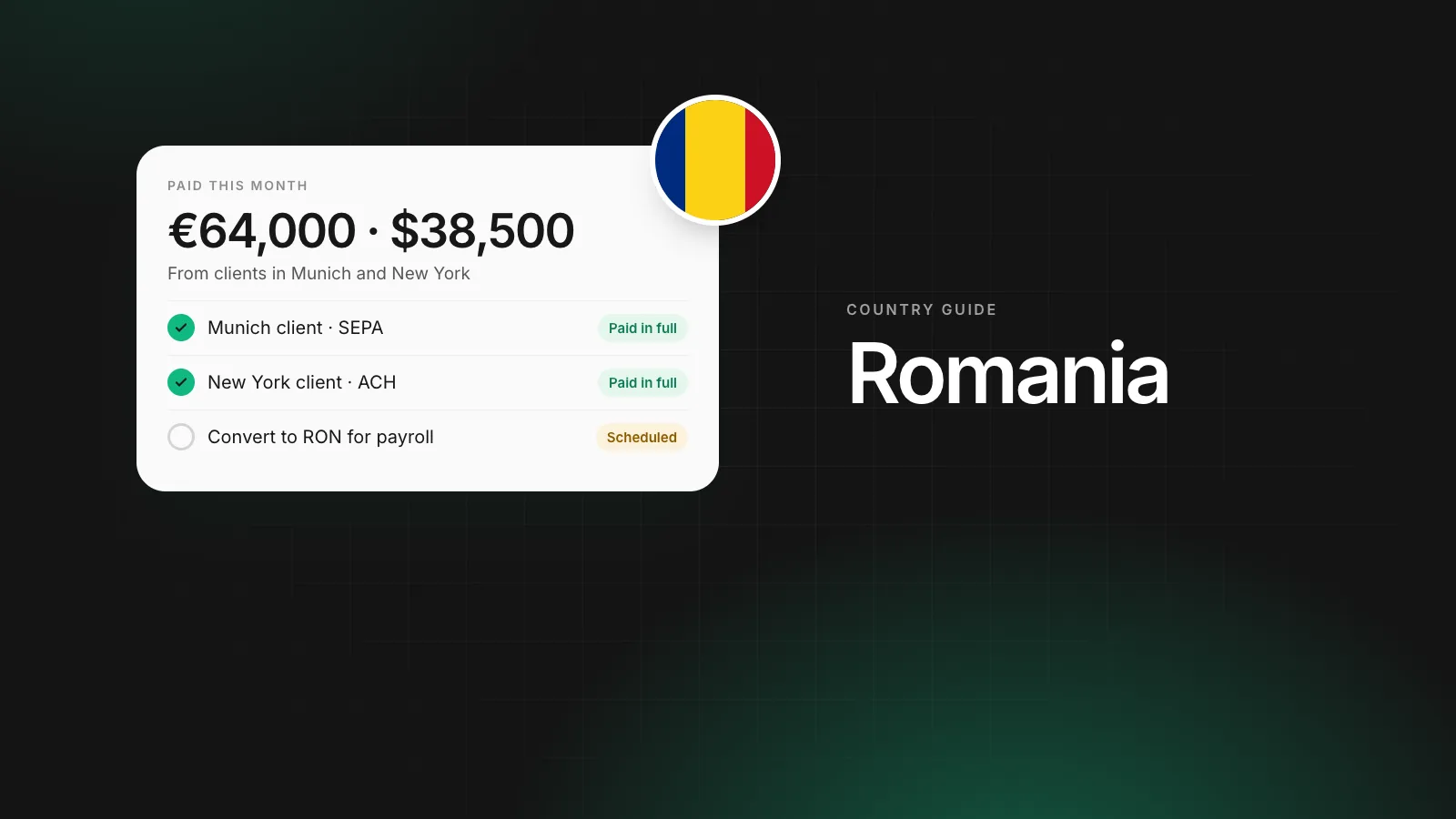
A Iași software company with 25 engineers has two anchor clients: an automotive supplier in Munich and a health-tech company in New York. Munich pays euro invoices by SEPA within a day. New York pays by international wire, ten days late and $40 short, and the dollars are converted into lei by the bank on arrival.
Invoicing in the client's currency
Western clients budget in their own currencies. Romanian IT companies invoice in euros or dollars almost by default. VAT, where it applies, is shown in lei too, but most services to foreign businesses are outside Romanian VAT: reverse charge for EU clients, not taxable in Romania for US clients.
Books stay in lei, converted at the BNR rate. The difference between the rate on the invoice and the rate on payment becomes an exchange gain or loss.
What happens to a dollar wire
A New York client paying a Romanian IBAN sends an international wire. On the way:
- an intermediary bank may deduct a fee,
- the Romanian bank may charge to receive,
- a lei account converts on arrival at the bank's rate.
Many US accounts payable teams also need extra approval for foreign wires, which is why the payment was late.
Make the client's payment domestic
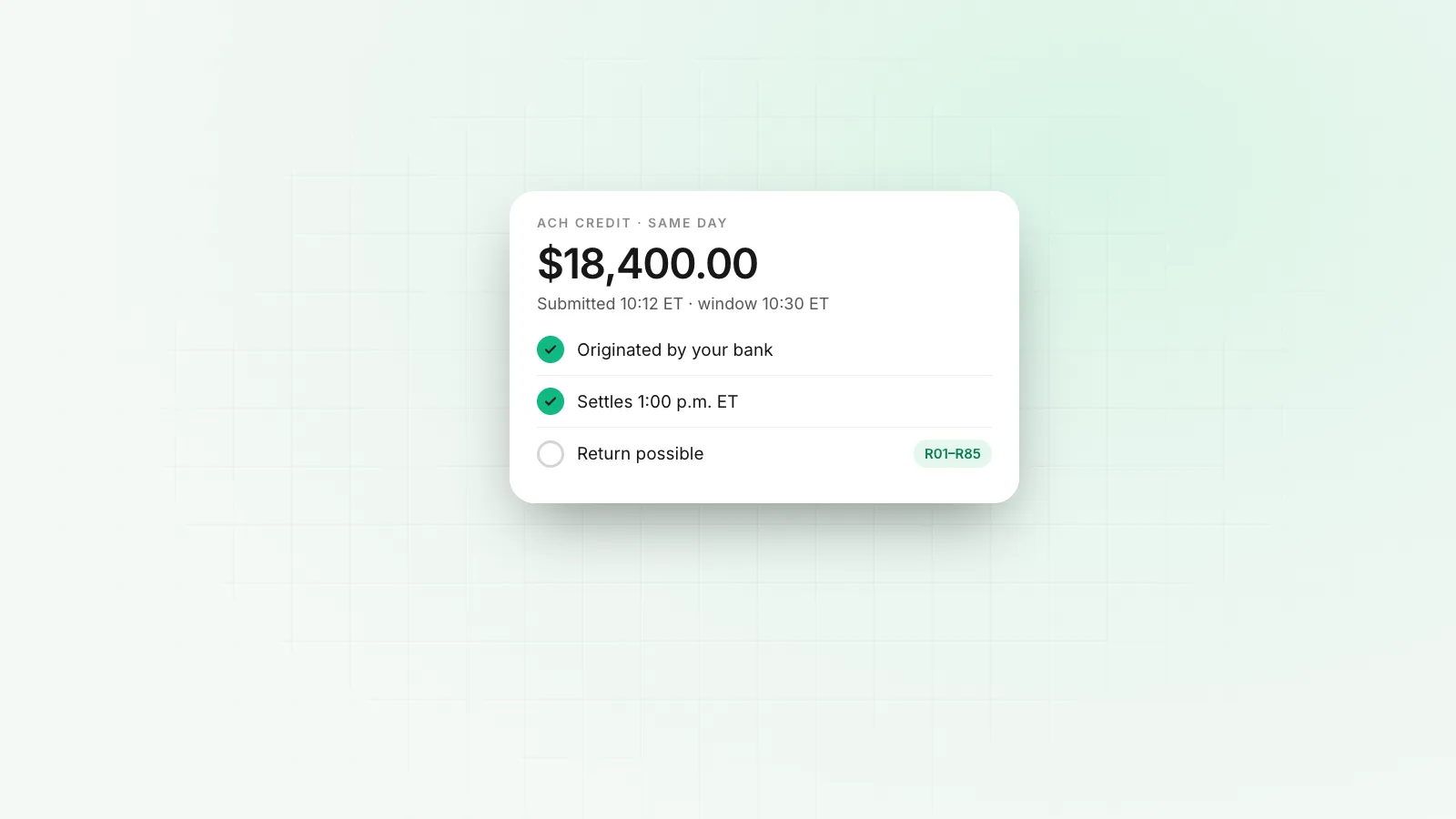
US account details in the company's own name change the client's side completely. The client pays by ACH, like any American vendor. The full invoice amount arrives, in dollars, usually within one to two business days. The same logic applies to euro clients outside SEPA habits and to UK clients with sterling details.
Convert on your schedule
Most of a Romanian IT company's costs are in lei: salaries, office, taxes. Some are in euros or dollars: cloud services, software licences, conferences, subcontractors. Paying those from the matching balance, and converting the rest to lei on a schedule before payroll, removes most of the conversions and makes the lei budget predictable.
Keep an eye on the tax regime
Romania has changed the rules for small companies and IT employees several times since 2023, including the micro-enterprise turnover threshold and the IT salary tax exemption. Check with your accountant at the start of each year which regime applies to you.
Paying into Romania: the local rail
| What | Detail |
|---|---|
| Local rail | Plăți Instant |
| Run by | TRANSFOND |
| Settlement | Seconds, 24/7, up to RON 50,000 per transfer |
Source: TRANSFOND: instant payments. Checked when this guide was last updated; the scheme's own page has the current figures.
Where Rivet fits
A Rivet business account gives a Romanian SRL US account details in its own name on every plan, for ACH and wires, and from the Growth plan euro details with an IBAN and sterling details. Payments are matched to invoices, balances can be held or converted at a rate shown before you confirm, and contractors can be paid in 120+ countries. Rivet is not a bank; regulated partner institutions hold the funds.
Questions people ask
Should a Romanian IT company invoice in lei?
Western clients expect euros or dollars, and pricing in lei pushes currency risk onto them. Most Romanian IT exporters invoice in the client's currency.
Why do US payments arrive short?
International wires can pass through intermediary banks that deduct fees, and a lei account converts on arrival at the bank's rate.
Do Romanian companies need to convert foreign revenue?
No. Companies can hold foreign currency. Convert what you need for lei costs, when you choose.
Has the micro-enterprise regime changed?
Yes. The turnover threshold and conditions for micro-enterprise tax have been tightened several times since 2023. Many IT companies now pay standard profit tax. Ask your accountant which regime applies this year.
Sources
Rashidatou writes Rivet's guides to how money moves between countries: the payment rails, what each one costs, and the account details a company needs to get paid in another currency. Every figure in Rashidatou's articles is traced to the scheme rulebook, the regulator or the provider's published price list, and those sources are listed at the end.
More from Rashidatou K. →This article is general information, not legal, tax or financial advice. Rules and fees change; check the sources above and the provider’s current terms before you act on them.
- romania
- it services
- eur
- usd
- srl
- outsourcing