KRA eTIMS in 2026: no eTIMS invoice, no expense deduction?
Every business in Kenya must issue invoices through eTIMS, VAT registered or not. From 1 January 2026, KRA validates the income and expenses in tax returns against eTIMS and other records. An expense without a valid electronic invoice, outside the exempt categories, risks being disallowed.
- Published
- Reading time
- 2 min read
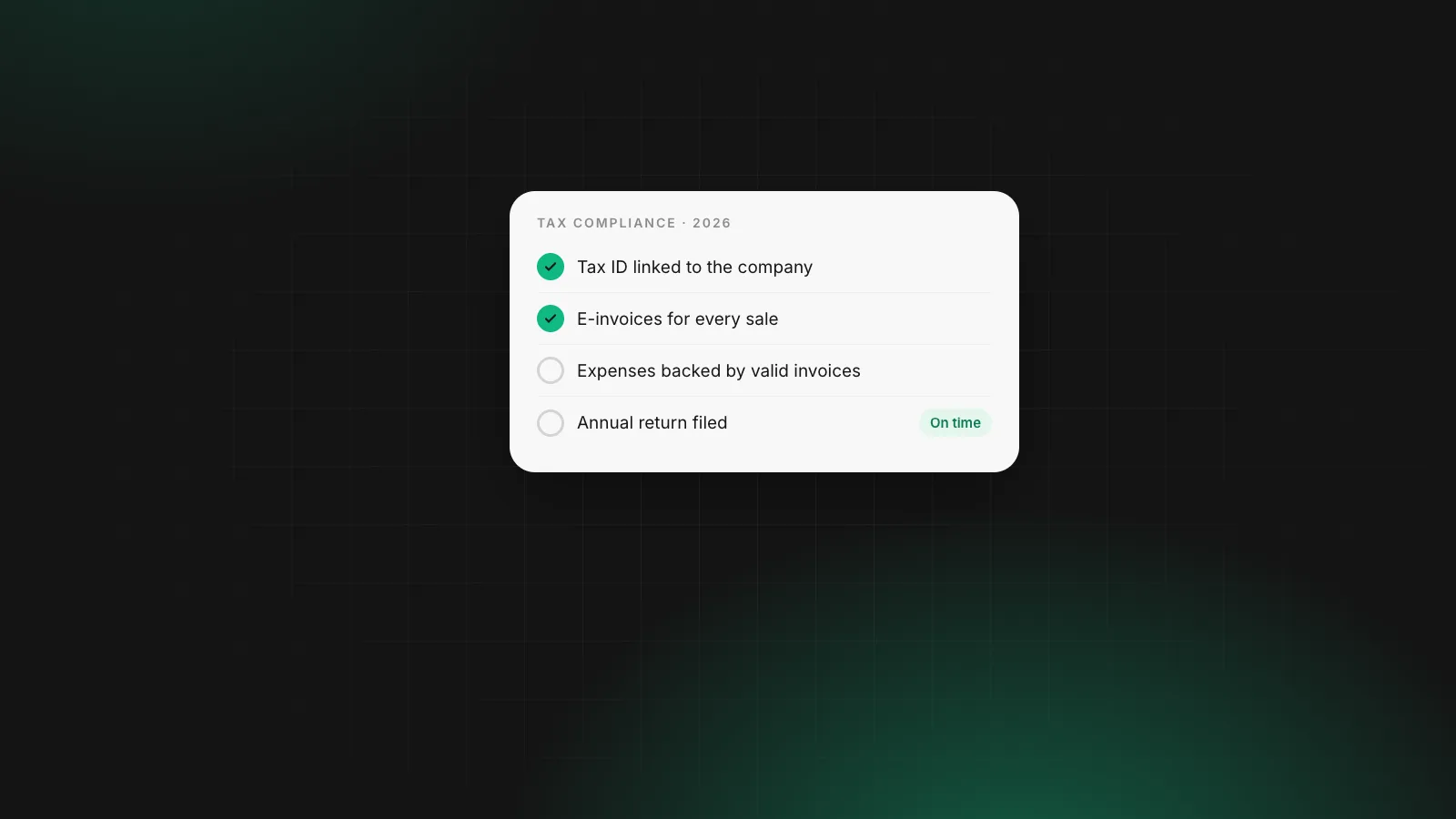
For Kenyan businesses, 2026 is the year eTIMS stopped being an invoicing chore and started deciding what you can deduct. KRA said in a November 2025 public notice that, from 1 January 2026, it would validate the income and expenses declared in returns against its electronic records.
This is a practical summary, not tax advice.
What is eTIMS?
eTIMS is KRA's electronic Tax Invoice Management System. Invoices issued through it are transmitted to KRA in real time. It replaced the older TIMS devices for most businesses and is available as a web portal, mobile app, desktop software and system-to-system integration.
Since 2023, everyone carrying on business in Kenya has had to issue invoices through eTIMS, whether or not they are VAT registered. KRA dropped the earlier turnover threshold.
What changed on 1 January 2026?
KRA now checks the figures in income tax returns against data it already holds:
| Data source | Used to check |
|---|---|
| eTIMS and TIMS invoices | Sales and purchases |
| Withholding tax records | Payments to suppliers and income received |
| Customs import entries | Imported goods |
| Other third-party data | Income such as M-Pesa business receipts |
Under the Income Tax Act as amended, an expense is generally allowable only if it is supported by a valid electronic tax invoice that carries the buyer's PIN, unless it falls in an exempt category.
Which expenses are exempt?
KRA's guidance lists categories that do not need an eTIMS invoice, including:
- Salaries, wages and other emoluments, which go through PAYE.
- Imports supported by customs entries.
- Investment allowances.
- Interest.
- Airline tickets.
- Payments subject to withholding tax.
Check the current KRA notice for the full and up-to-date list.
Was there a transition period?
For returns for the 2025 year of income, due by 30 June 2026, KRA allowed businesses to declare expenses without eTIMS invoices, subject to validation after filing. Treat 2026 purchases as needing a valid invoice from the start.
What should a business do now?
- Put your KRA PIN on every purchase: ask suppliers to include it on their eTIMS invoice.
- For suppliers not on eTIMS, use buyer-initiated invoicing, or change supplier.
- Reconcile monthly: your purchases ledger against invoices on your eTIMS account.
- Keep customs entries for every import.
- Make sure your own sales invoices are issued through eTIMS, including M-Pesa sales.
Our guide to M-Pesa Paybill vs Till covers collecting and reconciling mobile money, and e-invoicing mandates 2026 to 2028 puts Kenya alongside other countries.
What about income from abroad?
Foreign clients will not appear in eTIMS on the buyer side, but your invoices to them still go through eTIMS. Keep bank evidence that each payment arrived. A registered Kenyan company can receive client payments into USD account details in its own name with Rivet in the countries we support, which gives one clear record per invoice. On Scale, the same account holds and converts KES.
Questions people ask
Is eTIMS mandatory for non-VAT registered businesses?
Yes. Since 2023, everyone carrying on business in Kenya must issue electronic tax invoices through eTIMS, whether or not they are registered for VAT. KRA removed the earlier turnover threshold.
What expenses do not need an eTIMS invoice?
KRA lists exempt categories, including employee emoluments, imports supported by customs entries, investment allowances, interest, airline tickets and payments subject to withholding tax. Check KRA's current notice for the full list.
What happens if my supplier does not issue eTIMS invoices?
The expense may be disallowed when KRA validates your return. Ask the supplier to issue one, use the buyer-initiated invoice option in eTIMS where your supplier is not registered, or move to a supplier who can.
How do foreign suppliers fit in?
Imports of goods are supported by customs entries. Imported services are a separate case; keep the foreign invoice and payment evidence, and check KRA guidance on how they are treated.
Sources
William covers what happens once a company starts moving money: getting the business verified, paying contractors and suppliers abroad, and keeping card spend under control. William writes for the founder or finance lead who has to make it work this week, and links every rule cited to the text it comes from.
More from William Sunjo M. →This article is general information, not legal, tax or financial advice. Rules and fees change; check the sources above and the provider’s current terms before you act on them.
- etims
- kra
- kenya tax
- expense deduction
- e-invoicing
- kenya