How to switch business bank accounts without missing a payment
Switching business accounts is mostly a list problem: every customer who pays you and every bill you pay has to move. Here is the order that keeps money flowing while you change.
- Published
- Reading time
- 2 min read
Companies change business accounts for ordinary reasons: fees went up, the provider stopped supporting their country, they need EUR or GBP details, or an account was restricted. The mechanics are the same in every case. Every money flow in and out has to move, and the risk sits in the ones you forget.
Step 1: Open the new account first
Get fully verified before you announce anything. Business verification can stall on one missing document, and you do not want customers paying details that are not active yet. Our KYB documents guide lists what to have ready.
Step 2: List everything that moves money
Make two lists from the last 12 months of statements.
Money in
- Customers who pay by transfer
- Marketplaces and platforms that pay out to you (Stripe, Amazon, Upwork, app stores)
- Payment processors that settle card sales
Money out
- Suppliers and contractors you pay
- Payroll
- Direct debits and recurring transfers
- Card subscriptions (software, ads, hosting)
- Tax payments set up from the account
Twelve months matters. Annual renewals and quarterly tax payments do not show up in a month of statements.
Step 3: Move the payouts you control
Platforms first, because you can change them yourself in a settings page: Stripe, Shopify, Amazon, Upwork and so on. Some hold the first payout to a new account for a review, so do this early. Then move payroll and supplier payments.
Step 4: Tell customers carefully
Fraudsters send fake "our bank details have changed" emails all the time, and careful customers know it. Make your real notice easy to trust:
- Send it from an address the customer already knows.
- Put the new details on your next invoice as well.
- Invite them to confirm by calling a number they already have.
- Give the exact legal account name so their bank's payee check passes.
The invoice fraud guide explains what customers are watching out for.
Step 5: Run both accounts in parallel
Keep the old account open for at least one full billing cycle, typically 60 to 90 days. Check it weekly. Every payment that still lands there tells you which customer missed the notice. Contact them directly.
Step 6: Move card spend
Replace the card on each subscription before the old card stops working. Ad platforms are the most sensitive: a declined card can pause campaigns. See virtual cards for ad spend.
Step 7: Close the old account
Close it only after a full month with no incoming payments. Download every statement first. You will need them for tax and audits, and closed accounts are harder to get records from.
Switching to Rivet
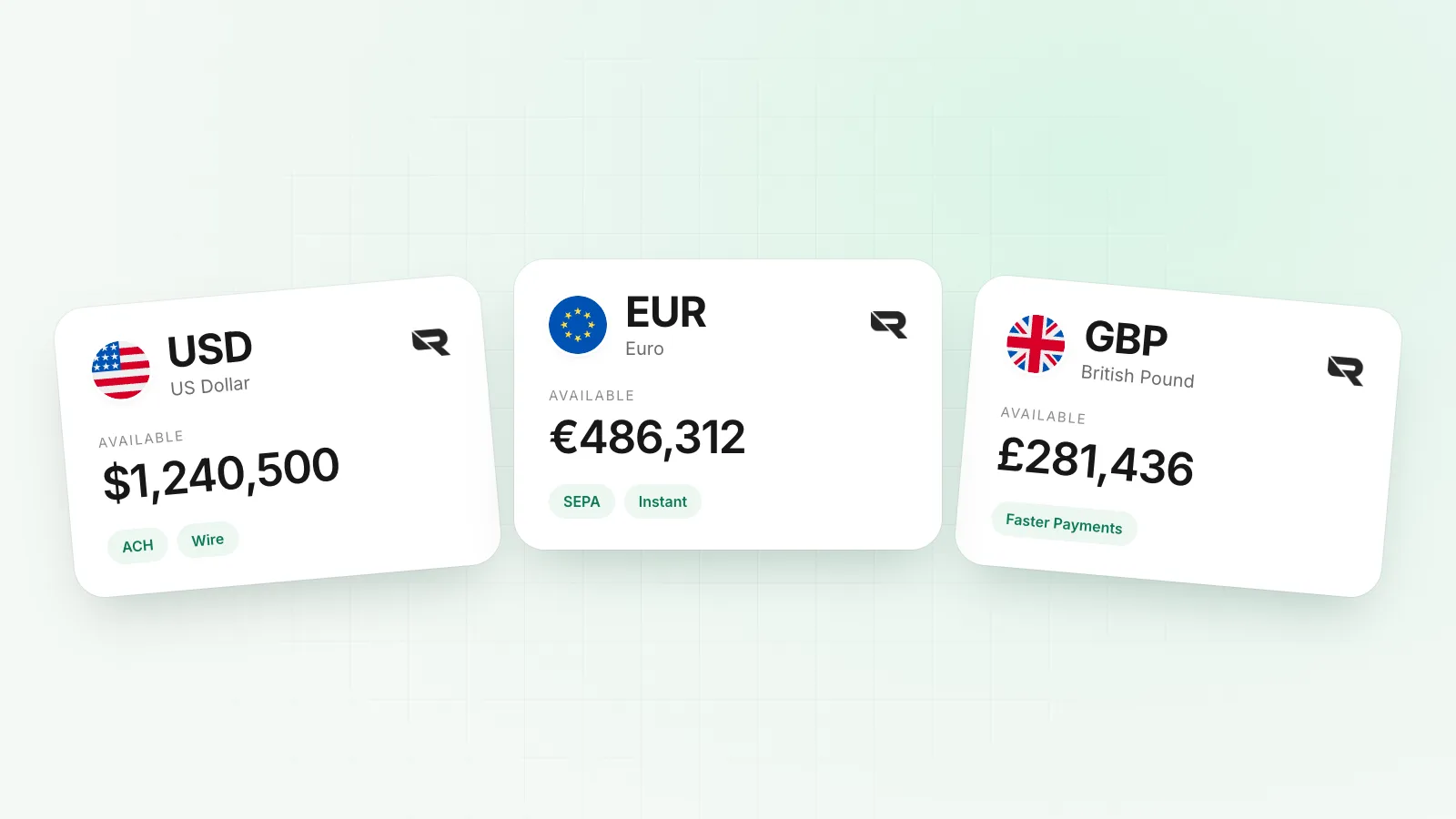
Rivet gives registered companies USD account details on the free plan, and EUR and GBP on Growth, plus virtual and physical cards to move subscriptions onto. See Bank accounts.
Questions people ask
How long does it take to switch business bank accounts?
Opening a new account can take days to a few weeks, depending on the business verification. Moving every payer and payee usually takes one to three months, because some customers update their records only when the next invoice arrives.
Should I close my old business account straight away?
No. Keep it open until a full month passes with no incoming payments, and every scheduled payment has moved. Customers who missed your notice will keep paying the old details.
How do I tell customers about new bank details safely?
Send the change from a known company email, put it on your next invoice, and invite customers to confirm by phone using a number they already have. Never ask them to rely on an email alone, since fake payment-change emails are a common fraud.
Does switching accounts affect my credit or EIN?
Your EIN and company registration stay the same. Switching a deposit account does not change the company's tax identity. If you have a credit line with the old provider, check its terms before closing.
Sources
William covers what happens once a company starts moving money: getting the business verified, paying contractors and suppliers abroad, and keeping card spend under control. William writes for the founder or finance lead who has to make it work this week, and links every rule cited to the text it comes from.
More from William Sunjo M. →This article is general information, not legal, tax or financial advice. Rules and fees change; check the sources above and the provider’s current terms before you act on them.
- switch business bank account
- change business bank
- move business account
- business banking
- account migration