Trinidad and Tobago companies and US dollar shortages: paying foreign suppliers on time
For years Trinidad and Tobago businesses have queued at their banks for US dollars to pay overseas suppliers. Importers wait weeks, suppliers tighten terms, and some companies lose stock. Companies that earn dollars from foreign clients have an advantage worth protecting.
- Published
- Reading time
- 2 min read
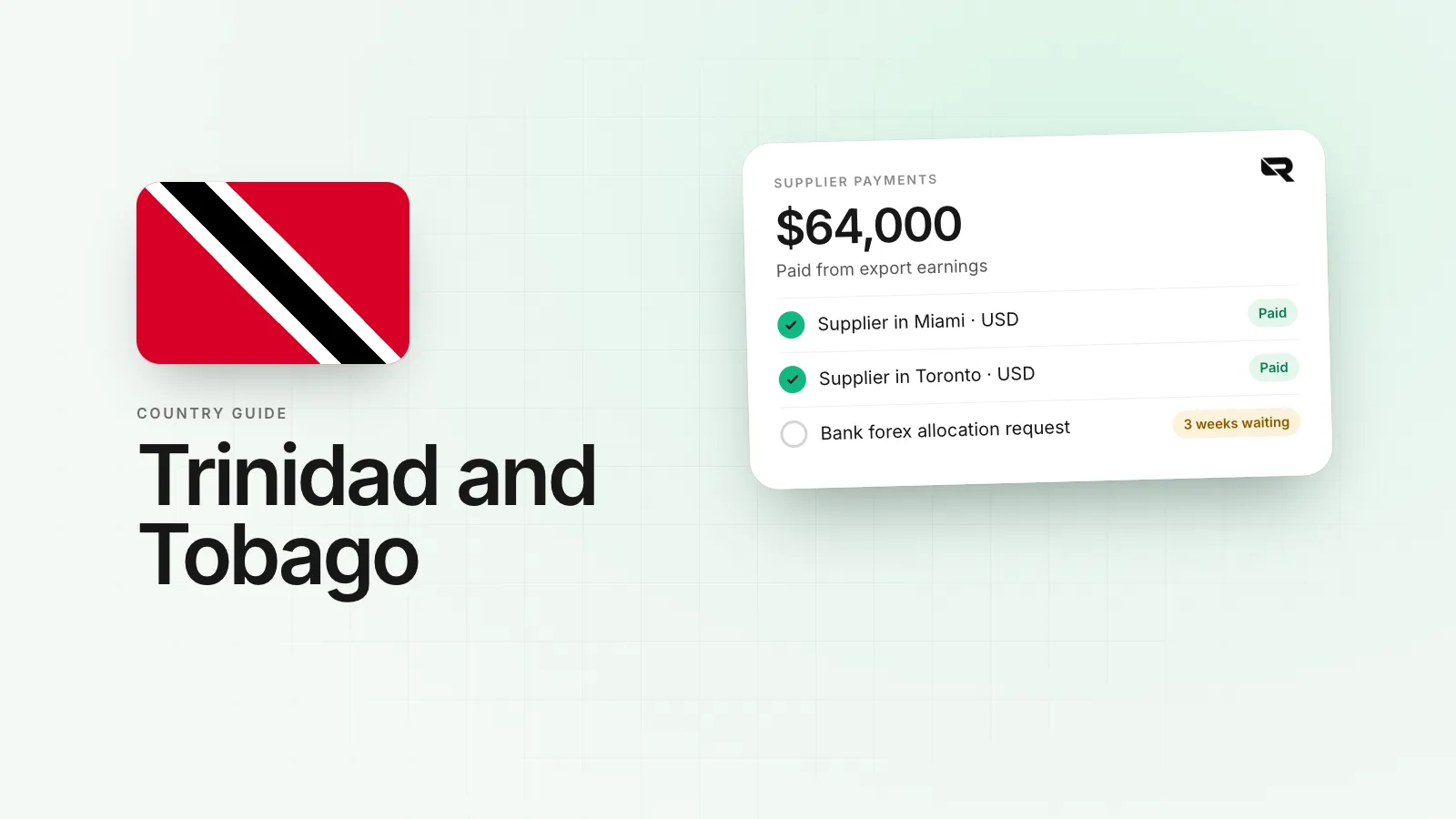
A Port of Spain hardware distributor imports tools and building materials from Miami and Toronto. Its bank processes US dollar requests in the order they arrive and as dollars become available. Three weeks is a normal wait; six has happened. Its Miami supplier now asks for payment before shipping.
Why the dollars run short
Trinidad and Tobago's foreign exchange comes largely from oil and gas. When energy revenues fell from their peak, the supply of US dollars at banks did not keep up with demand from importers, at a managed exchange rate that moves slowly. The Central Bank intervenes with sales to banks, and at times has made allocations for priority purposes such as food and medicine imports, but queues have persisted for years.
What it does to importers
- Supplier payments slip, sometimes by weeks.
- Suppliers move to cash in advance or reduce credit limits.
- Stock arrives late, or not at all.
- Some companies pay premiums to secure dollars.
What companies do
- Plan requests early. Submit forex requests to your bank as soon as orders are confirmed, not when invoices fall due.
- Spread across banks. Companies with relationships at more than one bank sometimes get allocations faster.
- Tell suppliers the plan. A supplier who knows when payment is likely is more patient than one who hears nothing.
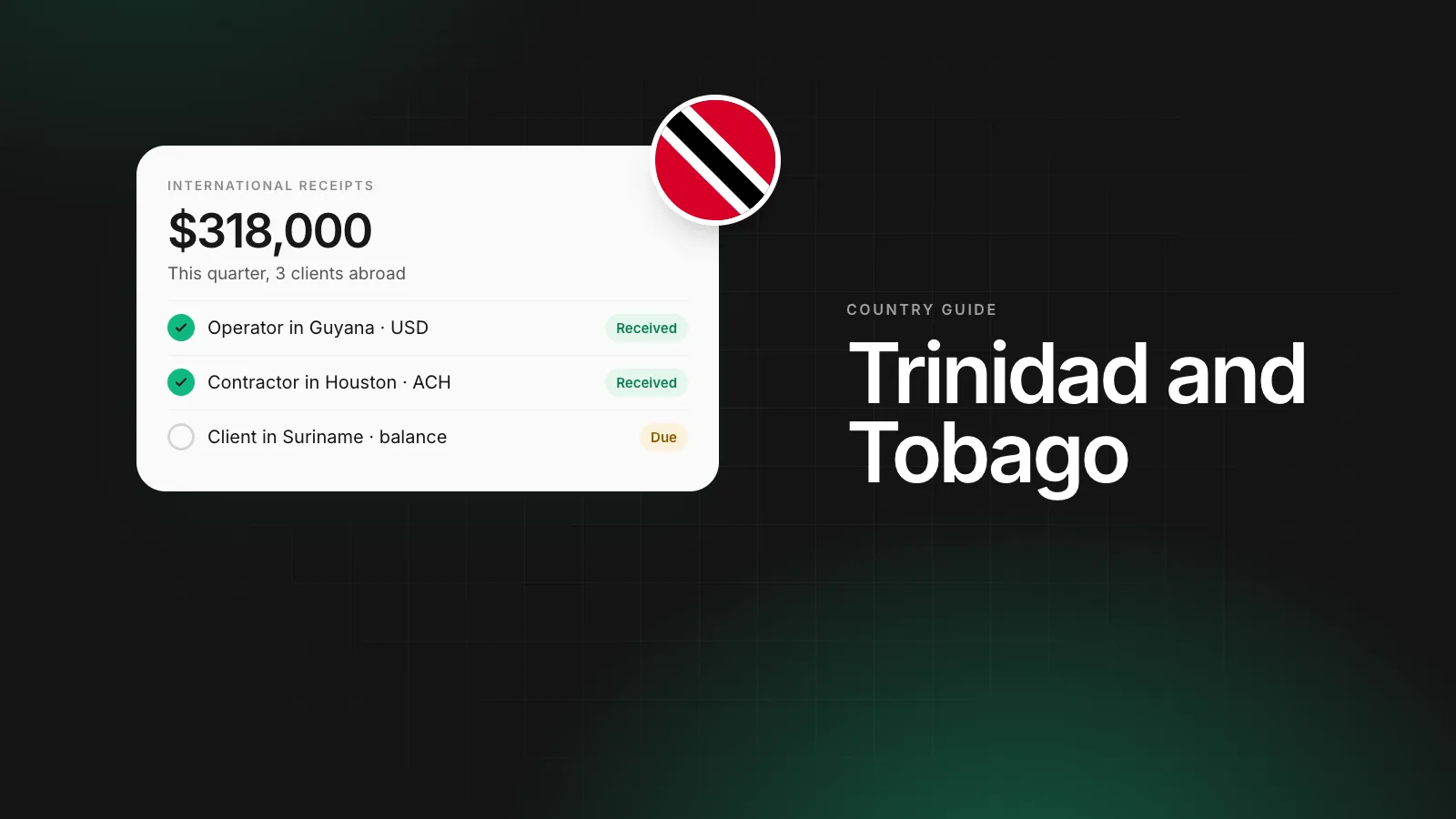
- Earn dollars. Companies with export revenue, for example services sold to Caribbean or US clients, or manufactured goods sold abroad, have their own source of dollars.
Protect your export dollars
If your company earns US dollars abroad, how you receive and hold them matters. Dollars paid by foreign clients and kept as dollars can pay foreign suppliers directly, subject to local rules, instead of joining the queue. Check the current requirements on reporting and repatriation with your bank.
Where Rivet fits
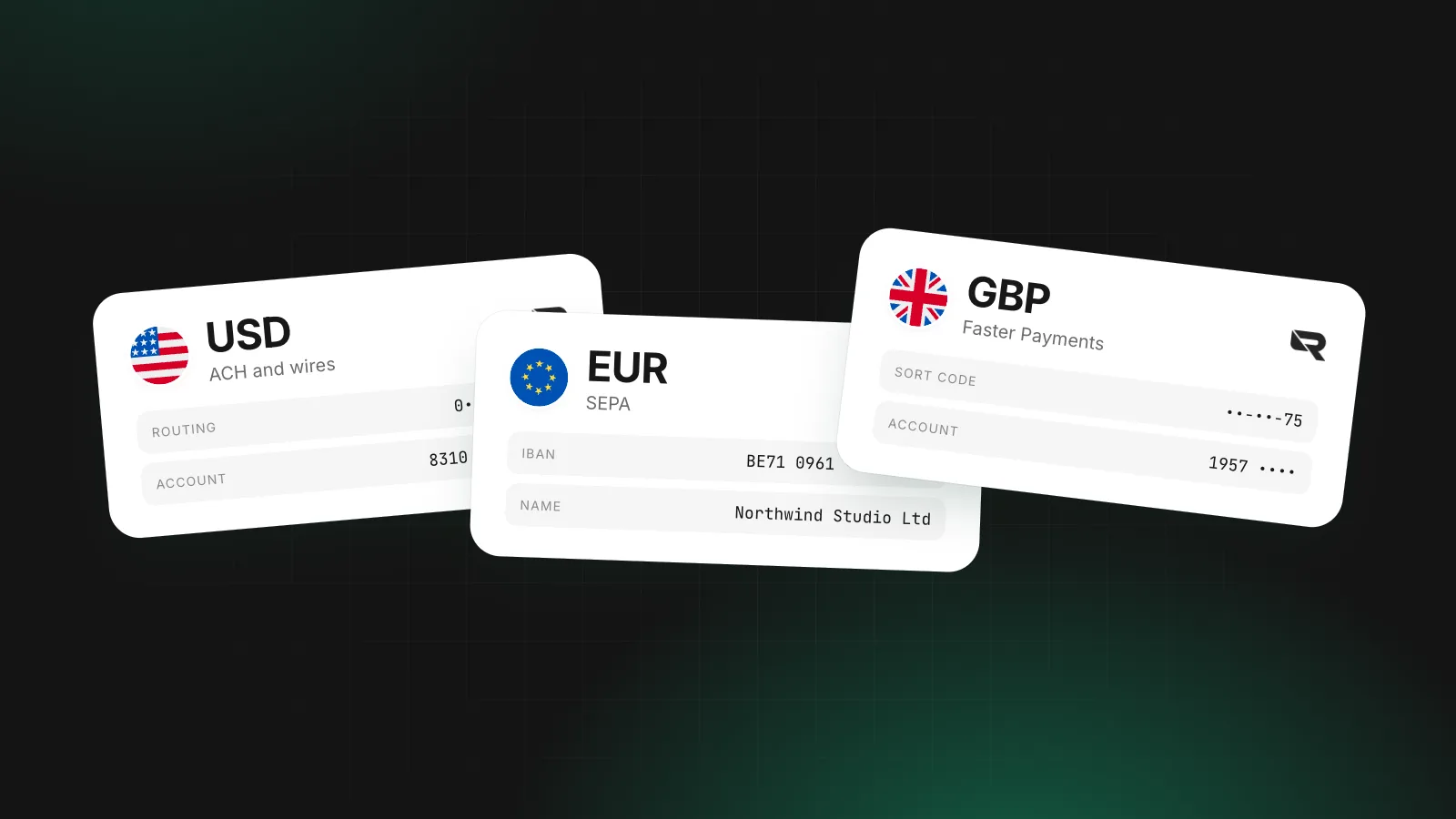
A Rivet business account accepts registered companies after verification, including Trinidad and Tobago companies, subject to local rules. Approved companies get US account details in their own name on every plan, so foreign clients pay by ACH, and can pay suppliers in 120+ countries from that dollar balance. Rivet is not a bank; regulated partner institutions hold the funds. Rivet does not supply foreign exchange from the local market.
Questions people ask
Why is there a US dollar shortage in Trinidad and Tobago?
The country earns most of its foreign exchange from energy exports. When those earnings fell, demand for US dollars outstripped supply at the managed exchange rate.
How do banks allocate US dollars?
Each bank allocates its available foreign exchange among customers' requests, often prioritising certain categories. Waiting times vary by bank and by period.
Can companies use their own export earnings to pay suppliers?
Companies earning foreign currency from exports generally can use it for their business payments. Check the current rules and reporting with your bank.
How do suppliers react to late payment?
Many tighten terms, ask for deposits or reduce credit. Clear communication and a plan for when dollars will be available help preserve relationships.
Sources
Rashidatou writes Rivet's guides to how money moves between countries: the payment rails, what each one costs, and the account details a company needs to get paid in another currency. Every figure in Rashidatou's articles is traced to the scheme rulebook, the regulator or the provider's published price list, and those sources are listed at the end.
More from Rashidatou K. →This article is general information, not legal, tax or financial advice. Rules and fees change; check the sources above and the provider’s current terms before you act on them.
- trinidad and tobago
- usd shortage
- forex
- importers
- suppliers
- ttd