Paying foreign suppliers and software from Argentina as the cepo unwinds
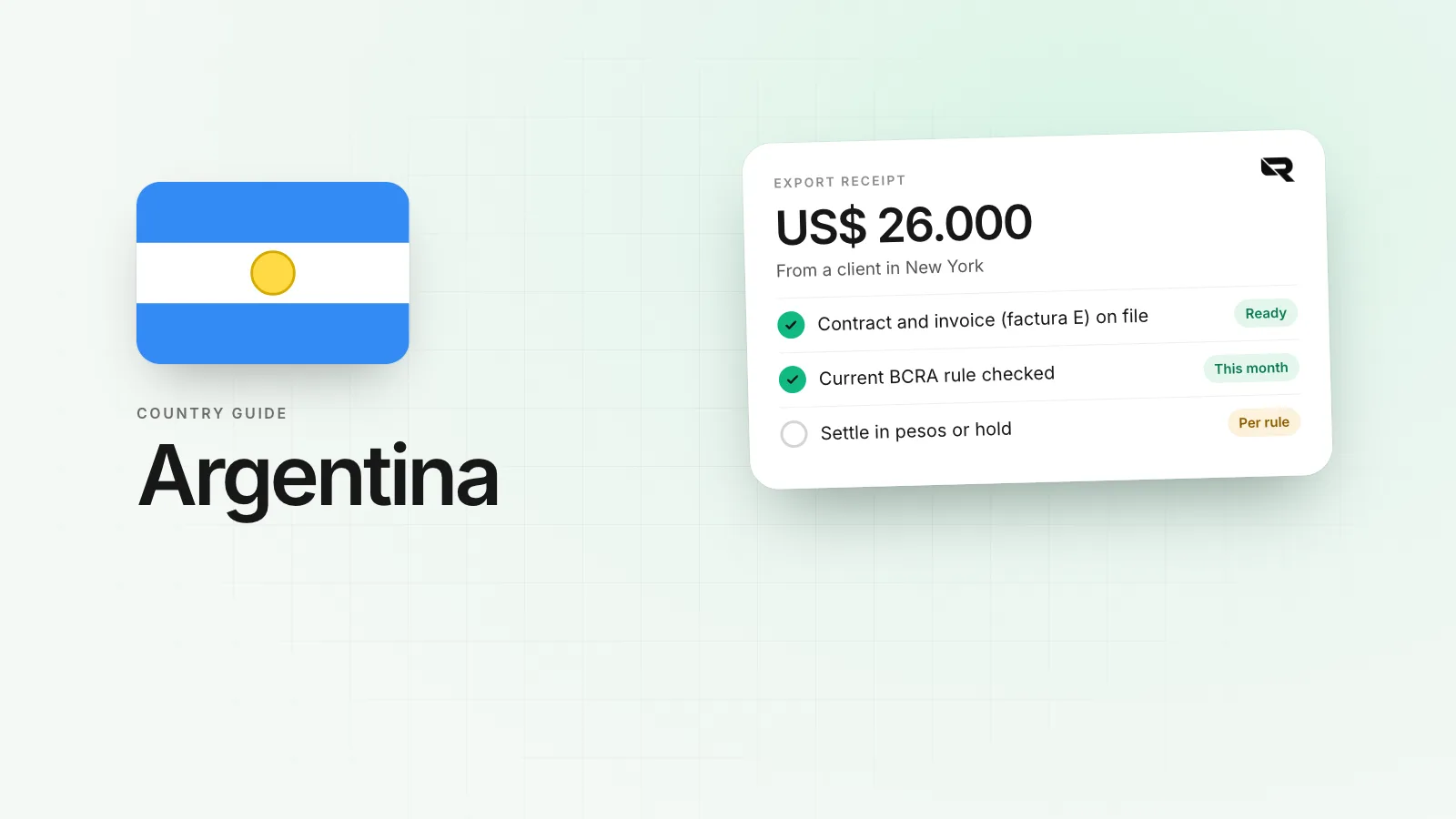
Until 2024 an Argentine importer could wait months for permission to pay a foreign supplier. Since 2025 the BCRA has removed many payment timelines and access restrictions. Companies now plan supplier payments more like elsewhere, with a few Argentine checks left.
- Published
- Reading time
- 2 min read
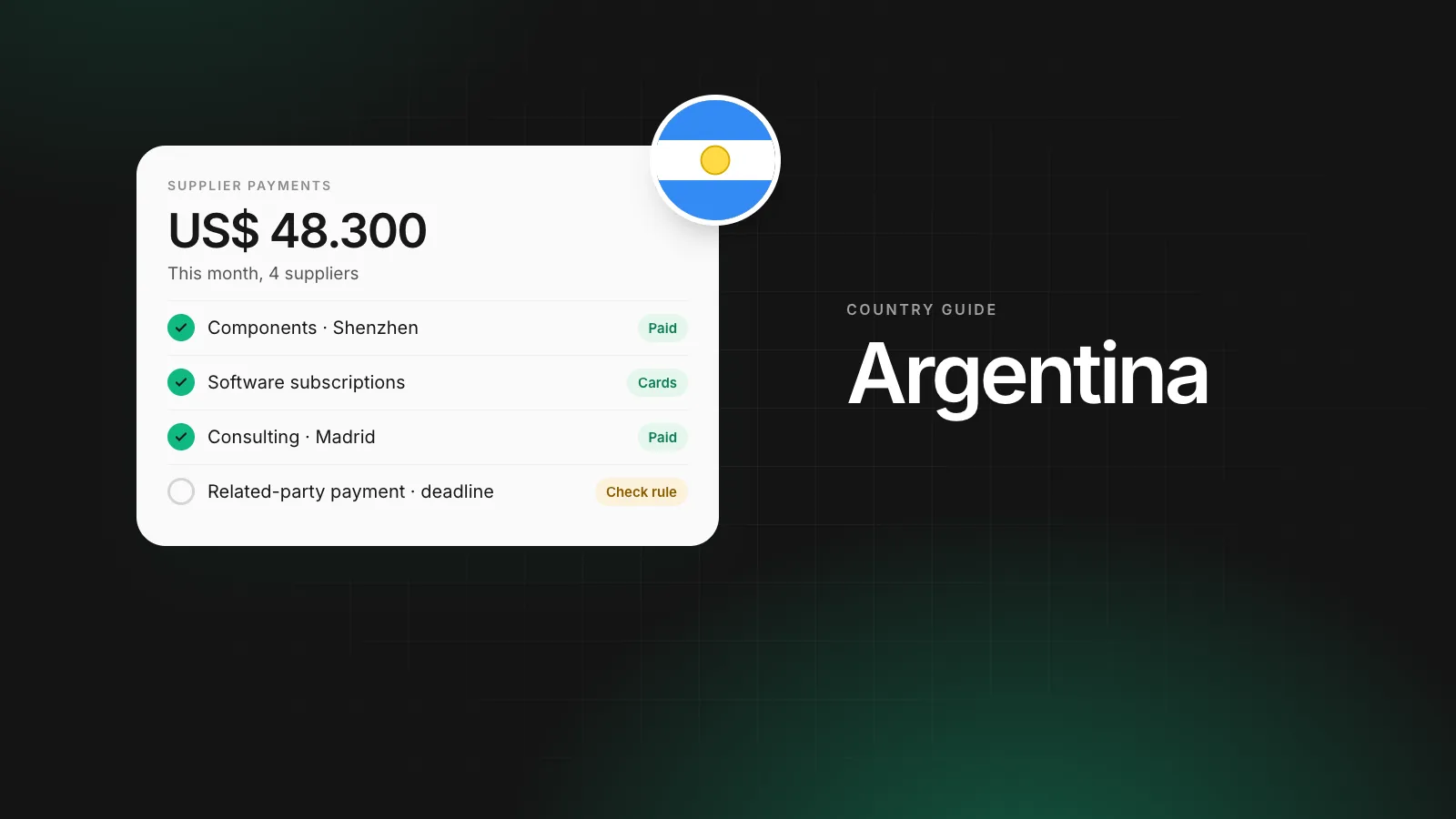
A Córdoba electronics assembler buys components from Shenzhen, software from the US and consulting from Madrid. Two years ago it waited months for access to the exchange market to pay the Chinese supplier, and paid a premium to suppliers willing to wait. In 2026 it pays most invoices within days, after its bank checks the documents against the current rules.
What eased
From late 2024 and through 2025, the BCRA removed many of the restrictions that had governed import payments: staggered payment timelines for new imports, limits on access to the official exchange market and the blend scheme for exporters. The April 2025 shift to a floating band for the peso accelerated the change.
What remains
Argentine rules still need attention in a few places:
- Related-party payments. Payments to foreign companies in the same group have had specific deadlines, which the BCRA has kept in place while easing other rules.
- Documentation. Banks process import payments against customs records and invoices; services against contracts and invoices.
- Taxes on foreign purchases. Card payments abroad and some service imports have carried specific taxes and withholdings that changed frequently. Ask your accountant what applies this year.
Planning supplier payments
With access easier, Argentine companies can plan supplier payments more like companies elsewhere:
- Agree currency and terms with each supplier.
- Prepare the documents the bank will ask for before the payment date.
- Pay from dollars you hold where the rules allow, or buy them at a rate you see first.
Software and cards
SaaS and advertising are often paid by card. One card per tool, with a limit and an owner, makes spend visible and lets you cancel one subscription without breaking the others.
Fraud
Supplier payment fraud is a global problem. A changed bank account announced by email should always be confirmed by phone with a known contact, and the first payment to new details approved by a second person.
Paying into Argentina: the local rail
| What | Detail |
|---|---|
| Local rail | Transferencias 3.0 immediate transfers |
| Run by | Banco Central de la República Argentina |
| Settlement | Seconds, 24/7, between bank accounts and payment-app accounts (CVU) |
Source: BCRA: Transferencias 3.0. Checked when this guide was last updated; the scheme's own page has the current figures.
Where Rivet fits
Rivet opens business accounts for registered companies after verification. A company registered in Argentina should confirm with its bank how BCRA rules apply to holding and paying from funds abroad. Companies that qualify, and companies registered abroad run by Argentine founders, can pay suppliers in 120+ countries from dollar balances, issue Visa company cards with per-card limits, and from the Growth plan require second approvals. Rivet is not a bank; regulated partner institutions hold the funds.
Questions people ask
Do Argentine importers still need to wait to pay foreign suppliers?
Many of the staggered payment timelines were removed in 2025 for new imports. Check the BCRA's current rules for your type of import, especially for payments to related companies.
Can Argentine companies pay for software subscriptions abroad?
Generally yes, through banks or cards, subject to the rules on access to the exchange market and applicable taxes. Rules on card payments and taxes on foreign purchases have changed often.
What documents do banks require for import payments?
The commercial invoice and customs records for goods, and contracts and invoices for services. Banks verify them against the BCRA's rules before paying.
How do I avoid paying a fraudulent account?
Confirm any change of supplier bank details by phone with a contact you already know, and require two approvers for payments to new details.
Sources
William covers what happens once a company starts moving money: getting the business verified, paying contractors and suppliers abroad, and keeping card spend under control. William writes for the founder or finance lead who has to make it work this week, and links every rule cited to the text it comes from.
More from William Sunjo M. →This article is general information, not legal, tax or financial advice. Rules and fees change; check the sources above and the provider’s current terms before you act on them.
- argentina
- imports
- foreign suppliers
- bcra
- saas
- payments