Albanian outsourcing and call-centre companies with Italian clients: euros, the lek and payroll
Tirana and Durrës host hundreds of call centres and back-office providers serving Italy and the wider EU. Clients pay in euros. Staff are paid in lek. The lek strengthened markedly against the euro in recent years, and that gap now drives margins.
- Published
- Reading time
- 2 min read
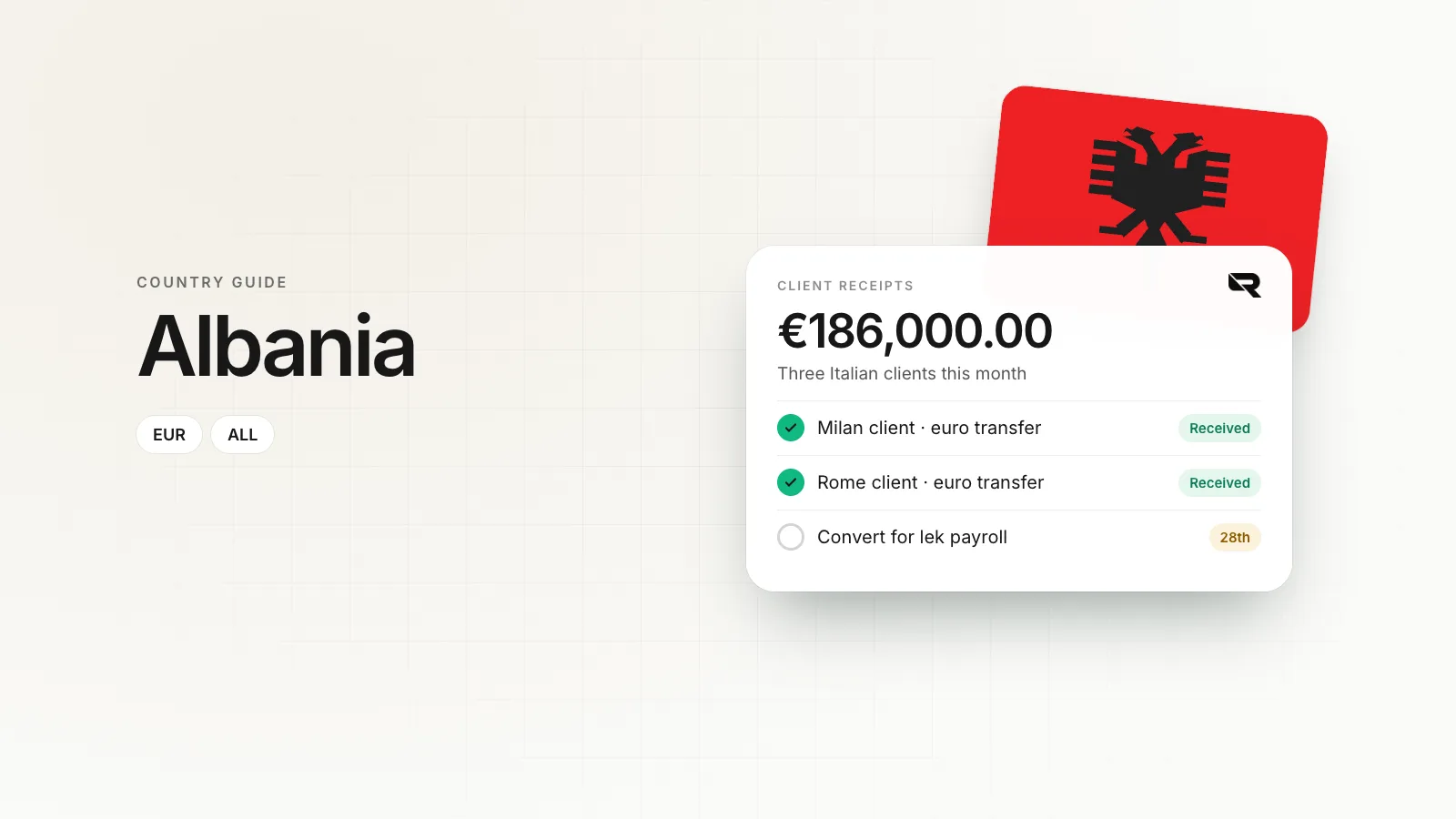
A Tirana customer service company employs 300 agents who speak Italian and serve three Italian clients: an energy supplier, a telecoms operator and an e-commerce company. The clients pay in euros. The agents are paid in lek. Over a few years the lek gained substantially against the euro, and contracts priced in euros covered fewer lek of payroll each year.
The structure of the business
Albania's outsourcing sector grew on language skills, proximity to Italy and lower costs. The economics are simple: euro revenue, lek costs, and a margin between them that depends on the rate.
Measure it
Most costs are salaries in lek. If euro revenue is €2 million a year and costs are the lek equivalent of €1.7 million, a 5 percent strengthening of the lek turns a €300,000 margin into about €215,000. Put your own numbers in and the case for planning writes itself.
Hold euros, convert on a schedule
Converting each client payment into lek on arrival takes whatever rate applies that day. Holding euros and converting a planned amount before each payroll averages the rate and keeps the lek budget predictable. Pay euro costs, such as software licences, telephony platforms and recruitment abroad, directly from the euro balance.
Contracts
Many outsourcing contracts fix euro prices for several years. At renewal:
- ask for annual price reviews linked to wage inflation,
- consider a currency clause that adjusts prices if the lek moves beyond a set band,
- price new contracts with the current rate, not the one from three years ago.
VAT and invoices
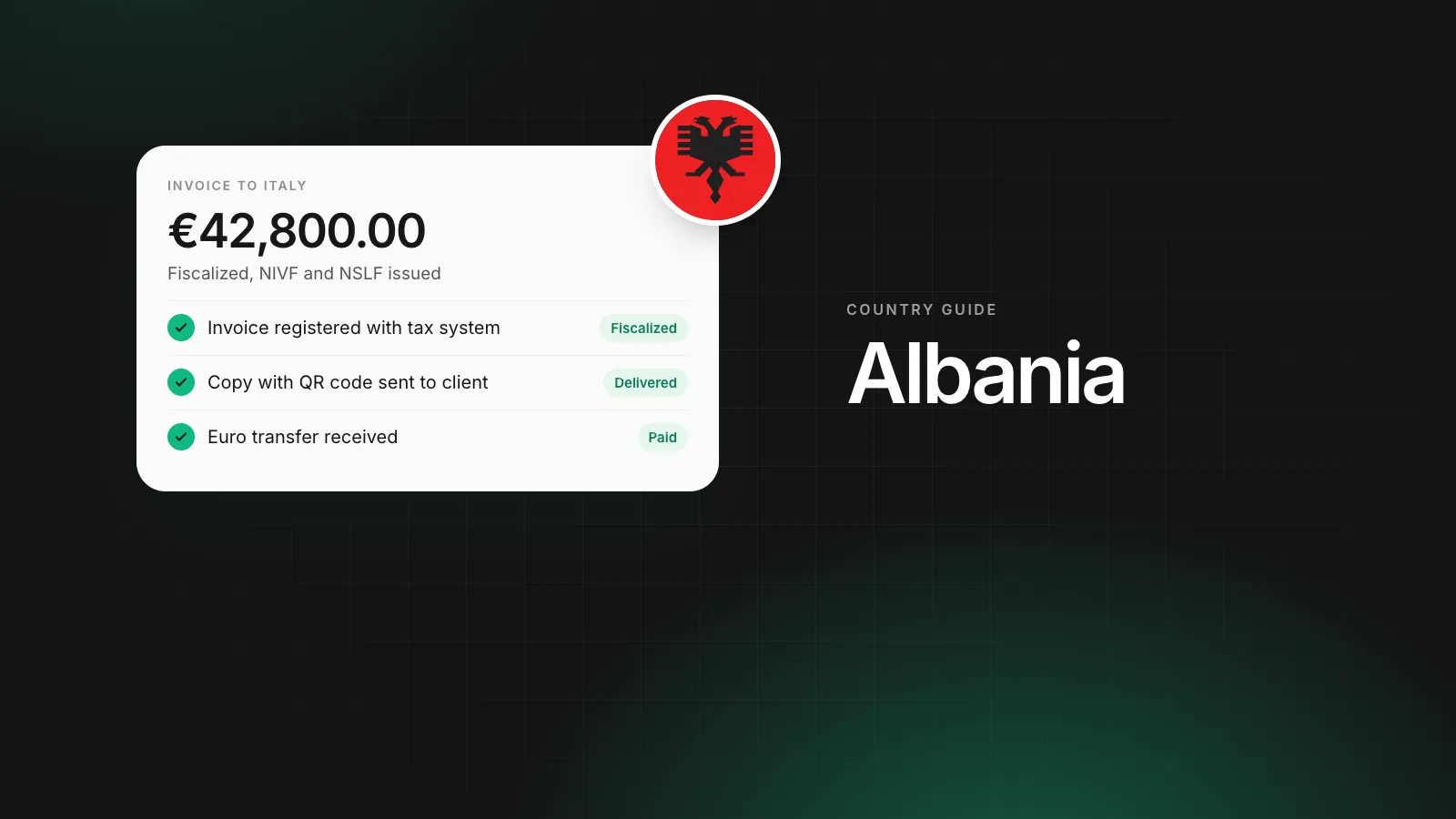
For most services supplied to businesses outside Albania, Albanian VAT does not apply. Albania is outside the EU, so the Italian client accounts for Italian VAT itself. Albanian invoices are issued through the fiscalization system, including those to foreign clients, which keeps the tax authority informed of export revenue.
Paying into Albania: the local rail
| What | Detail |
|---|---|
| Local rail | AIPS, the Bank of Albania's interbank system |
| Run by | Bank of Albania |
| Settlement | Same business day for lek transfers; AECH for batch payments |
Source: Bank of Albania: payment systems. Checked when this guide was last updated; the scheme's own page has the current figures.
Where Rivet fits
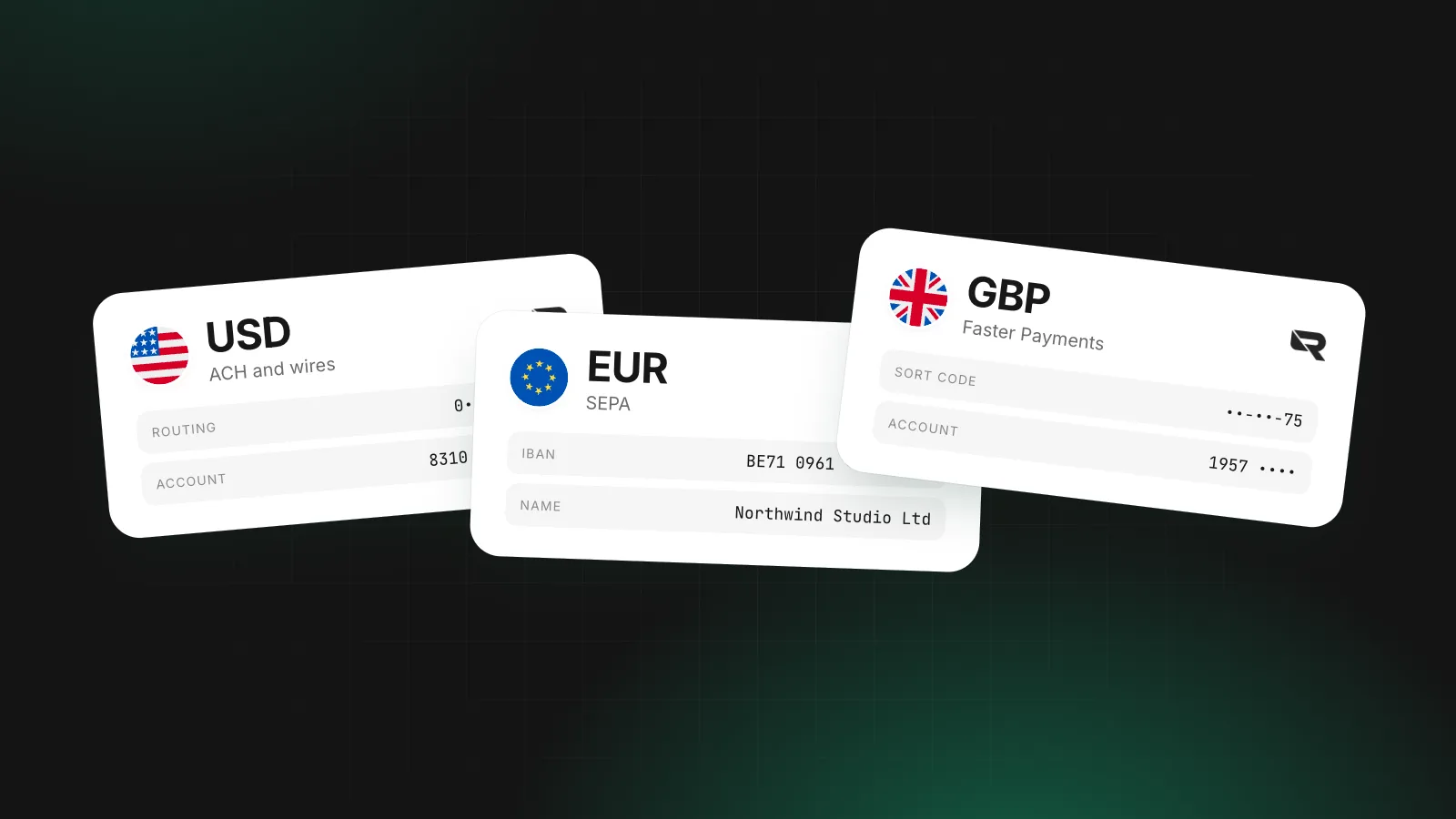
A Rivet business account accepts registered companies after verification, including Albanian companies, subject to Bank of Albania rules on accounts abroad. Approved companies get euro details with an IBAN and sterling details from the Growth plan and US dollar details on every plan, in their own name. Balances can be held, used to pay suppliers in 120+ countries, or converted when you choose at a rate shown before you confirm. Rivet is not a bank; regulated partner institutions hold the funds.
Questions people ask
Why does the lek's strength matter?
Revenue is in euros and most costs, mainly salaries, are in lek. When the lek strengthens, each euro buys fewer lek, and margins shrink.
Can Albanian companies hold euros?
Yes. Euros are widely used and Albanian companies hold foreign currency accounts. Check Bank of Albania rules for any reporting on accounts abroad.
Do Albanian companies charge VAT to Italian clients?
For most services to businesses outside Albania, Albanian VAT does not apply. Albania is outside the EU, so the Italian client handles any Italian VAT.
How can contracts help?
Annual price reviews, or clauses that adjust prices if the lek moves beyond a band, share the currency risk with the client.
Sources
Rashidatou writes Rivet's guides to how money moves between countries: the payment rails, what each one costs, and the account details a company needs to get paid in another currency. Every figure in Rashidatou's articles is traced to the scheme rulebook, the regulator or the provider's published price list, and those sources are listed at the end.
More from Rashidatou K. →This article is general information, not legal, tax or financial advice. Rules and fees change; check the sources above and the provider’s current terms before you act on them.
- albania
- outsourcing
- call centres
- italy
- eur
- lek